


Masonic Signet Ring in Two-Tone Gold — Built for Daily Wear
$$$
14k yellow gold, 14k white gold
C. had searched for years for a specific Masonic ring and could never find one like it anywhere. Working from a front photo and a single side view showing the trowel symbol, the design was rebuilt from scratch. Because he works with his hands daily on a ranch and rarely takes the ring off, he chose the heavier, solid-construction version over the lighter original so it could be passed down after a lifetime of wear.
'Even if it's a bit more expensive.' — on approving the heavier, solid-construction version during design
Quick specs
Primary Metal
Secondary Metal
Primary Stone
Accent Stones
Design Complexity
Intent: Certainty
Size
Ring size 11.5 US (20.98mm).
How they made it distinctive
-
01
Solid, reinforced interior chosen over a hollow construction specifically because the wearer works daily with his hands on a ranch
-
02
Recreated entirely from a front photo and one side photo showing the trowel emblem, with no original ring or design file available
-
03
Two-tone gold finish separates the raised Masonic emblems from the recessed background for clarity without stones
-
04
Intentionally built heavier than a typical signet with the explicit goal of being passed down after a lifetime of wear
-
05
Design rebuilt from years of unsuccessful searching for an identical ring
How you'd make it yours
Construction: this piece uses a solid, reinforced interior — a new commission could use a lighter hollow build for a less demanding lifestyle
Metal: this piece is 14k yellow and white gold — the same emblem design works in 18k gold or a single-tone finish
Engraving: the inside of the band can carry a date, initials, or short inscription on a new piece
Emblem detail: this piece reproduces specific fraternal symbols — a new commission could use different personal or organizational emblems in the same two-tone style
One of a kind: this exact ring was built for one client from his own reference photos and is not reproduced — a new commission is an original piece inspired by this one, not a copy
Design changes made
The initial render used a hollow construction that mirrored the client's old ring, but after he described edges that cut into his finger on a similar piece, the design was rebuilt with a solid, heftier interior. He chose to keep the heavier weight rather than hollow it out to match the original estimate.
Who this is for
This is for someone who has a very specific design already in their head — one they've searched for and couldn't find anywhere — and needs it rebuilt from scratch rather than chosen off a shelf. It's especially right for someone who works with their hands all day and needs a ring built to be worn constantly without being babied, not just looked at.
How it's made
Once the design was approved, the 3D model was printed in wax and attached to a wax tree inside a flask. The flask was placed in a kiln to burn out the wax, leaving a hollow mold, and molten 14k gold was cast into that mold under heat and pressure to form the raw ring. After cooling, the piece was removed from the mold and prepared for cleaning and finishing.
The raised square-and-compass emblem and the flanking panels were finished to contrast two tones of gold, with the recessed background left matte against the polished raised symbols so each emblem reads clearly. The band's interior was left solid and thick rather than hollowed, reinforcing comfort and durability for daily wear. The piece was then polished and underwent quality inspection before shipping.
Key note
The ring was intentionally cast with a solid, thicker interior wall instead of a lighter hollow one, trading some weight for a band built to be worn daily without being removed.
Pricing guidance
A complex two-tone Masonic signet ring with raised emblem detailing and a solid, reinforced construction sits toward the higher end for custom fraternal rings. Most of the cost comes from the detailed emblem work and the additional metal required for a solid rather than hollow band. Metal choice and the extent of two-tone detailing are the biggest variables beyond that.
Moves price up ↑
- ↑ Choosing a solid, heavier band construction instead of a hollow one
- ↑ Adding more emblem detail or additional engraved panels around the band
- ↑ Using 18k gold instead of 14k, which increases material cost
- ↑ Incorporating a center stone or accent stones into the design
- ↑ Requesting a wider band profile to accommodate more surface detail
Moves price down ↓
- ↓ Choosing a hollow or lighter-weight band construction
- ↓ Simplifying the design to a single emblem rather than multiple flanking panels
- ↓ Using a single metal tone instead of two-tone detailing
- ↓ Choosing sterling silver instead of gold
- ↓ Reducing the band width
Questions people ask
Yes, this ring was rebuilt entirely from a front-view photo and one side photo showing a specific emblem — there was no physical ring or original design file to work from. The process starts with a 3D model built from the photos and the client's description, followed by a photorealistic render for approval before anything is cast. Small adjustments, like construction or proportion changes, can be made at the render stage before metal is committed. Most recreations from clear photos capture the original design closely within one or two rounds of feedback.
A hollow band uses less metal and is lighter to wear, but the thinner walls can flex or dig into the finger over time, especially on rings worn daily. A solid band uses more metal throughout, including the interior, making it heavier but far more resistant to denting, bending, or pinching. For anyone who works with their hands or doesn't regularly remove their ring, a solid construction holds up significantly better over years of wear. The tradeoff is weight and a higher metal cost since more gold is used.
14k gold is a practical choice for daily hands-on wear because it's harder than higher-karat golds like 18k or 24k, which contain less alloy and are softer. A solid-construction 14k ring, rather than a hollow one, adds further durability against dents and deformation from regular impact. It will still show some wear over years of heavy use, like any worn ring, but it resists bending and denting better than thinner or hollow designs. Many clients in physically demanding jobs choose 14k over higher karats specifically for this reason.
A detailed Masonic signet ring with raised emblem work and two-tone gold detailing generally falls toward the higher end of custom fraternal ring pricing. The cost is driven mainly by the complexity of the emblem carving and whether the band is cast solid or hollow — a solid band uses significantly more metal. Metal type, band width, and the number of decorative panels also affect the final price. A simpler single-tone version with a hollow band would typically cost less.
The full process typically takes around five to six weeks from approved design to shipping. The first week covers the 3D design and render, which the client reviews and approves before any metal is cast. Production, including casting, finishing, and quality inspection, generally takes four to five weeks after that. Occasionally a piece doesn't pass quality control on the first casting and needs to be recast, which can add roughly one to two weeks.
A solid gold band like this can generally be resized within a modest range by a jeweler, though a thicker, more solidly constructed ring takes more work to resize than a thin hollow one. Because the band is cast with extra metal in the interior rather than hollowed out, there's more material for a jeweler to work with during a resize. Significant size changes on a heavily detailed signet ring are more complex than on a plain band, since the emblem panels need to remain proportional. It's best to get sizing as close as possible before casting.
Yes, two-tone detailing is achieved by using two different gold colors, typically yellow and white, finished so that one tone sits recessed as a background and the other is polished and raised to form the emblem or pattern. This contrast makes symbols and engraved details stand out clearly without needing stones or enamel. It does add some complexity to the casting and finishing process compared to a single-tone piece. Two-tone work is common on fraternal, signet, and emblem-style rings for exactly this reason.
Yes, a solid-construction band specifically addresses that use case better than a standard hollow ring. Because the interior isn't hollowed out, there's less risk of the band flexing, pinching skin, or deforming from constant wear and hand use. It will naturally show surface wear over years of continuous use like any ring worn daily, but the structural durability is significantly higher than a lighter design. This construction choice is specifically recommended for people in physically demanding work who rarely remove their rings.
Explore Similar Creations
Every masterpiece starts with a spark. Explore how our clients raw ideas - sketches, heirlooms, inspirations - were transformed into bespoke works of arts.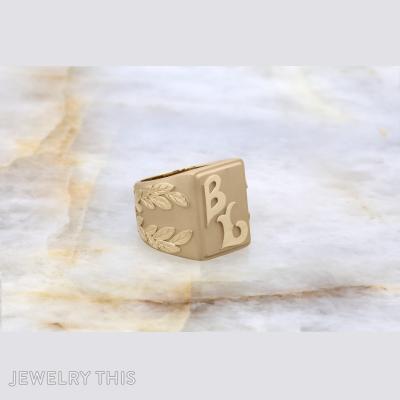
This signet ring was rebuilt entirely from a photograph, with no original piece, paperwork, or ...

This exquisite silver ring, presented as an orientation gift, carries deep symbolism and elegance. The ...

This sterling silver ring is a proud symbol of achievement for anglers who have conquered ...

This signet ring merges two professions into one design: pharmacy and information technology. A black ...

This 14k yellow gold signet ring centers on a custom family crest: a raised dragon ...

This distinctive pair of yellow gold signet-style rings blends personal significance with timeless style. The ...

White and Yellow gold boxing signet ring with incredible detail. It also includes 4 diamond ...

This pinky ring was designed around an oval black star sapphire cabochon, set in claw-style ...

This flat-top signet ring was designed by the client himself as a personal mark to ...

This 14k yellow gold Harley ring is the perfect personalized accessory for any Harley Davidson ...

This heartfelt custom signet ring is crafted in luminous 10K yellow gold. This special ring ...
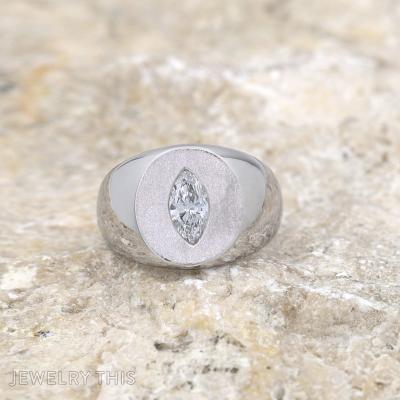
This is a men’s wedding band built around a signet-ring silhouette: an oval face with ...



