

Recreated Men's Wedding Band With Diamond Scallop Detail
$$
14k yellow gold, rhodium plating, lab diamonds
A husband had been given his father's wedding ring as a keepsake, a ring his father originally bought overseas decades earlier for a modest sum while serving in the military. After his father passed, the ring was lost, and the couple worked from a single old photograph and measurements taken with strips of paper to rebuild it as closely as possible. When it arrived, they wrote: 'The ring is beautiful and we both love it!'
'That looks fantastic!' — on seeing the first render
'The ring is beautiful and we both love it!' — on delivery
Quick specs
Primary Metal
Secondary Metal
Shape / Cut
Primary Stone
Accent Stones
Style
Design Complexity
Intent: Certainty
Size
Ring size 10 US (19.76mm). Band width 6mm.
How they made it distinctive
-
01
Scalloped white gold inlay recreated specifically to match a feature the client hadn't even consciously noticed in the original ring until it was pointed out
-
02
Rhodium plating added to the inlay area to recreate the contrast look of the original band
-
03
Polished finish chosen over a textured line pattern to keep the look clean while matching the original's character
-
04
Three round diamonds set within the inlay channel, standing in for the original ring's diamond chips
-
05
Rebuilt entirely from a single photograph and hand-measured width estimate, with no appraisal or paperwork available
How you'd make it yours
Stone type: this piece uses lab diamonds — a new commission could use natural diamonds or a colored stone for a different look
Metal: this piece is 14k yellow gold with a rhodium-plated inlay — the same design works in white gold or two-tone combinations
Finish: this piece has a polished surface — a new piece could use a matte or hand-finished textured pattern instead
Band width: this piece is 6mm — a new commission could be made narrower or wider depending on the wearer's hand
Engraving: the inside of the band can carry a new inscription on a fresh commission
One of a kind: this exact ring was recreated for one client from a specific family photo and is not reproduced — a new commission is an original piece inspired by this one
Design changes made
The finish was changed twice during production — first from a florentine/line pattern to a simpler matte finish to manage cost, then back to a full polish at no extra charge once the client reconsidered. Rhodium plating around the diamond inlay was kept to match the look of the original.
Who this is for
This piece is for someone trying to bring back a ring that mattered to their family, even without the original in hand to reference. It's especially right if you only have a photo and a memory to work from, and you want a band that feels substantial and classic rather than delicate or ornate.
How it's made
Once the 3D design was approved, the ring was 3D-printed in wax and attached to a wax tree inside a flask. The flask was invested in plaster and placed in a kiln, where the wax was burned away to leave a hollow mold. Molten 14k yellow gold was then cast into the mold under pressure, producing the raw band once cooled and removed.
After casting, the band was cleaned and polished to a full mirror finish across the yellow gold surface. The scalloped channel across the front was finished separately and plated in rhodium to create a white-gold contrast against the yellow band, echoing the look of the original ring. The three round diamonds were then set by hand into the scalloped inlay before final quality inspection.
Key note
The white scalloped inlay is not a separate metal insert but a rhodium-plated surface layer added specifically to recreate the look of the original ring's contrasting finish.
Pricing guidance
A simple men's wedding band with a diamond inlay sits toward the lower-to-middle end for custom ring work. Most of the cost comes from the gold weight and the hand-finishing of the inlay channel and diamond setting, rather than stone size or count. Choices in metal karat and diamond type move the price more than any other single factor.
Moves price up ↑
- ↑ Using natural diamonds instead of lab-created diamonds of the same size and clarity
- ↑ Upgrading from 14k to 18k gold, which increases the gold content and material cost
- ↑ Adding a hand-finished florentine or engraved line pattern instead of a plain polished or matte surface
- ↑ Increasing the band width beyond 6mm, which adds more metal weight
- ↑ Adding more than three diamonds to the inlay
Moves price down ↓
- ↓ Reducing the diamond count from three to one or two
- ↓ Choosing a thinner band width to reduce gold weight
- ↓ Skipping the rhodium plating on the inlay area
- ↓ Using a single finish throughout rather than a combination of polished and plated surfaces
- ↓ Choosing 10k gold instead of 14k to lower material cost
Questions people ask
Yes. This band was rebuilt from a single photograph along with the client's own measurements, taken using strips of paper to estimate the width. The process starts with a 3D design based on the photo and description, which is then shared as a render for approval before any metal is cast. Small details like plating and finish are often refined during this stage once they're pointed out in the photo. The result won't be a perfect physical duplicate, but it can closely match the original's proportions and design.
Lab-created and natural diamonds are chemically and visually identical — same hardness, same brilliance, same durability for daily wear. The only real difference is origin: one is mined, the other is grown in a controlled lab environment. For small accent stones like the three in this band, lab diamonds offer the same appearance at a lower material cost. Either option holds up equally well in a ring worn every day.
Rhodium plating is a thin white metal layer applied over gold or silver to create a bright, white-toned surface. On this ring, it was used specifically on the scalloped inlay to create contrast against the yellow gold band. Rhodium plating can wear down over years of daily wear, especially in high-contact areas, and can be reapplied by most jewelers when it fades. It's a durable and common finishing choice for pieces that combine yellow and white tones.
A band of this type — 14k gold with a diamond inlay and plated detailing — sits toward the lower-to-middle range for custom ring work. The main cost drivers are the gold weight, the hand-finishing of the inlay, and the diamond setting rather than the size of the stones themselves. Choosing lab diamonds over natural ones, or adjusting the band width, are the factors most likely to shift the price up or down. Exact pricing depends on the finalized 3D design and any changes made during that stage.
The design phase typically takes about one week, during which a 3D render is created and refined based on client feedback. Once the design is approved, production takes approximately three to four weeks, covering wax printing, casting, finishing, and stone setting. The full process from deposit to delivery generally falls within five to six weeks. Timelines can shift slightly if finish or design details are adjusted partway through, as happened with this piece.
Yes, finish changes are a normal part of the design process and can usually be made without affecting the production timeline significantly if caught before manufacturing begins. On this piece, the finish was changed from a textured pattern to matte, and then later switched again to a full polish, with no issue either time. Plating details, like whether to include rhodium accents, can also be adjusted at this stage. The goal is for the finished ring to match what the client actually pictures, not just the first draft.
A recreation built from a photo and memory will closely match the original's overall design, proportions, and key details, but it won't be a perfect physical duplicate. Stone sizes and small construction details are estimated from the photo rather than measured from the original piece. Fine details like plating or surface finish are often refined once they're noticed in the reference photo during the design review. Most clients find the result captures the spirit and look of the original very closely.
Explore Similar Creations
Every masterpiece starts with a spark. Explore how our clients raw ideas - sketches, heirlooms, inspirations - were transformed into bespoke works of arts.
This men’s wedding band is built around a simple idea: two colors, kept deliberately apart. ...

his personalized signet ring is a symbol of individuality and character. Its square top boasts ...

This custom ring is a timeless tribute to family heritage and tradition. Crafted in 14k ...
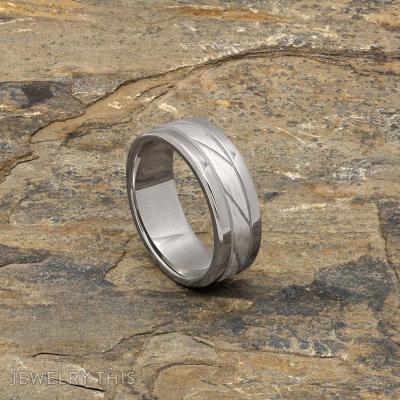
This custom wedding band is a thoughtfully recreated piece, transformed from an alternative metal design ...

A deeply personal and symbolic expression of love, this wedding band embodies the unique connection ...
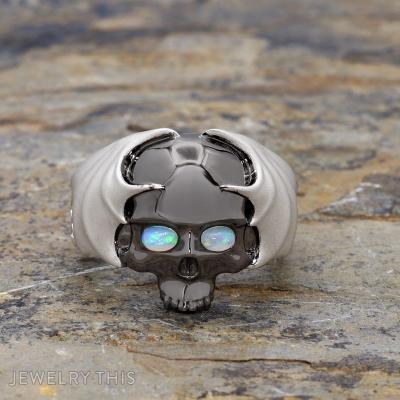
This sterling silver ring centers on a dimensional skull motif finished in black rhodium plating, ...

Celebrate lasting love with our men’s slim comfort fit Wedding Band in platinum. Meticulously crafted, ...

This wide 14k white gold band translates a favorite piece of pop-culture design into a ...
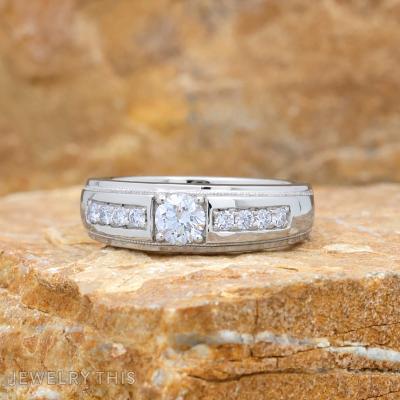
This men’s wedding band was designed to capture the look of a specific ring the ...
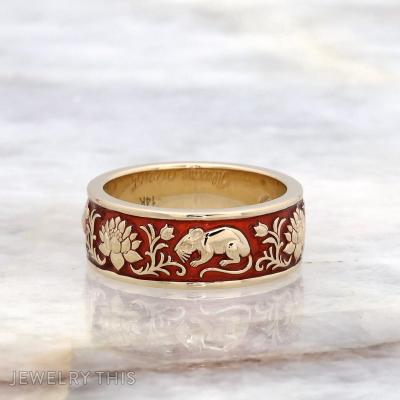
This wide men’s band was built around a Chinese zodiac rat and lotus flower motif, ...

This 14k yellow gold band recreates a design the client’s father already wears, rebuilt from ...
This sterling silver band translates a favorite video game ring into a piece meant for ...



