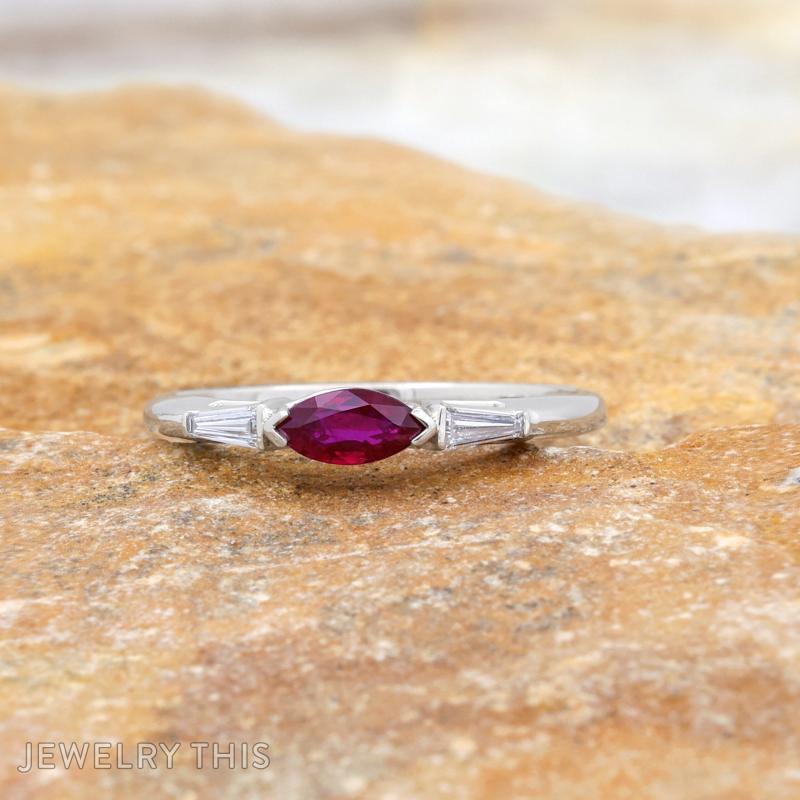
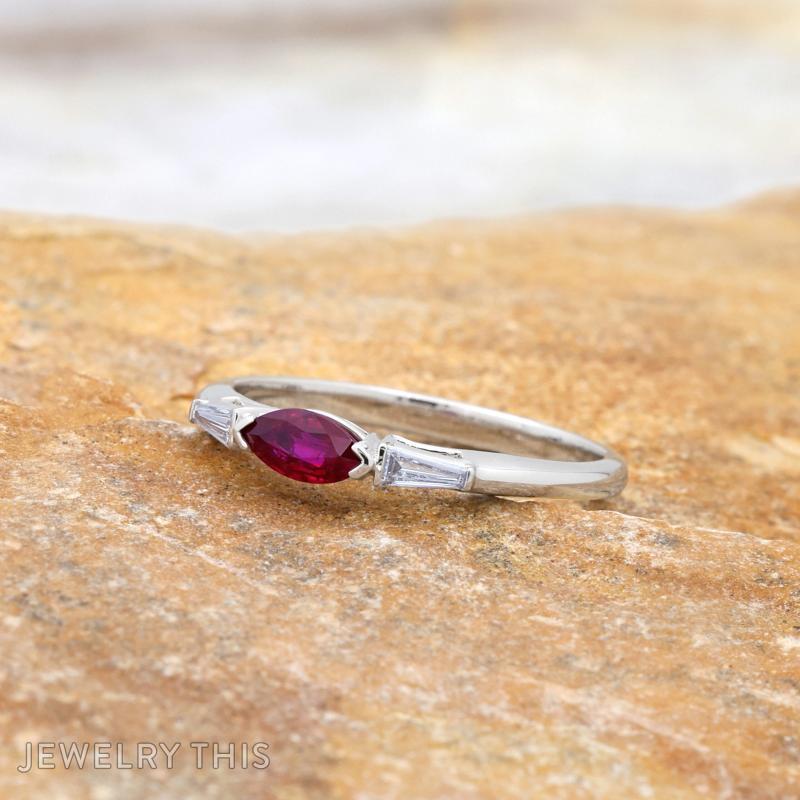
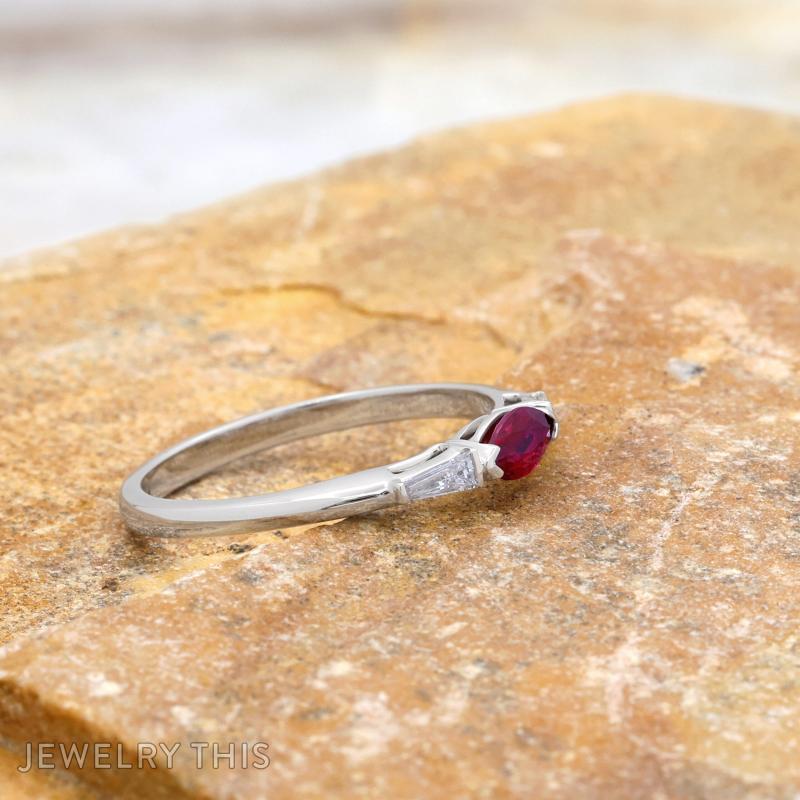
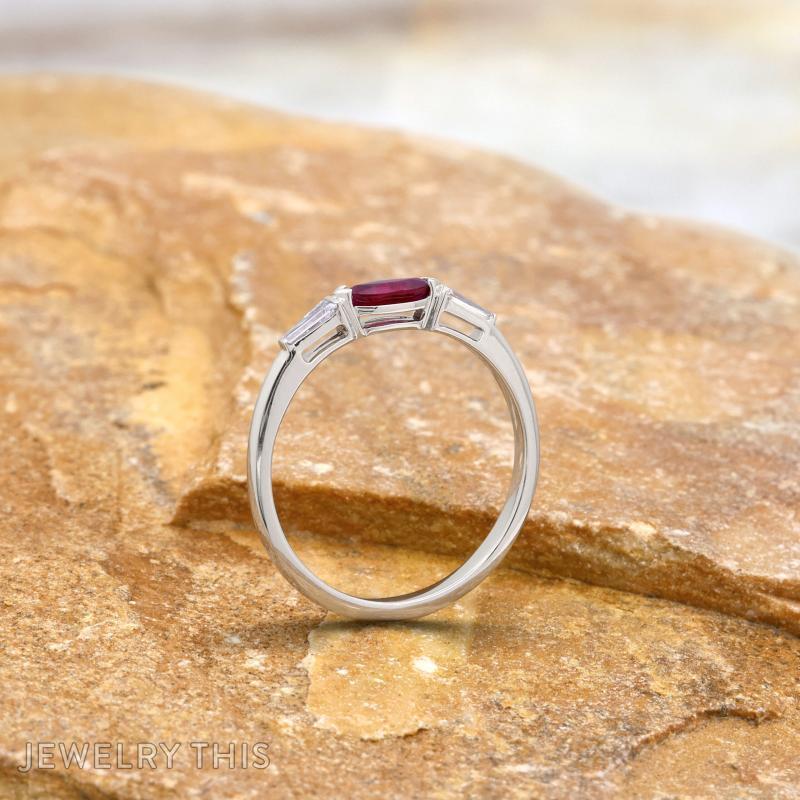
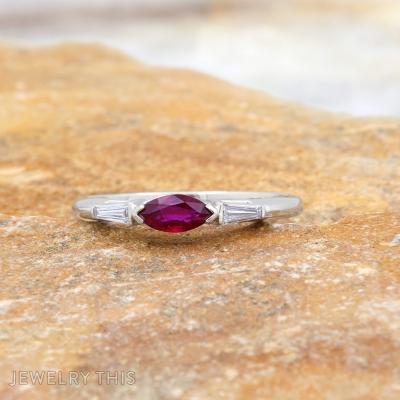
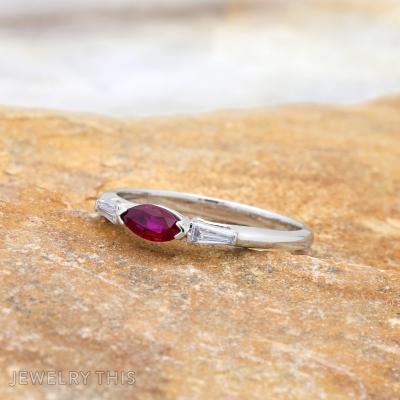
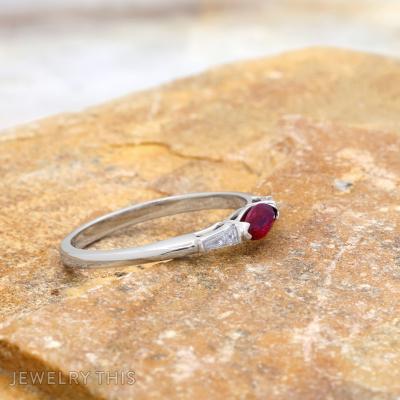
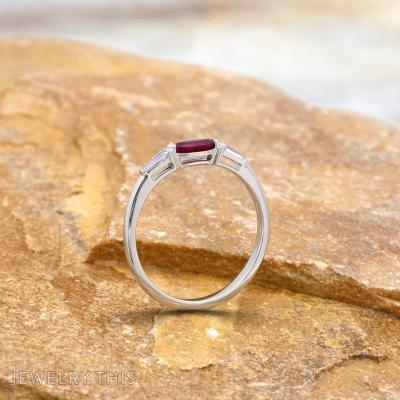
Vintage Ruby & Baguette Band Reset in Platinum
$$
Platinum, ruby, diamonds
A client wanted to reset the ruby and diamonds from a decades-old ring into a new anniversary band, keeping it as close as possible to the style of its matching counterpart from the same original set. The stones were shipped in, scanned, and reset flush into a platinum band with rounded bars echoing the original bezels. When it arrived, she wrote: 'I did it is stunning thank you so much for your time and energy!'
'I did it is stunning thank you so much for your time and energy!' — on delivery
Quick specs
Primary Metal
Shape / Cut
Primary Stone
Accent Stones
Style
Design Complexity
Intent: Certainty
Size
Ring size 6 US (16.51mm). Band width sized to the ruby for flush setting.
How they made it distinctive
-
01
Uses the client's own marquise ruby and two tapered baguette diamonds from a decades-old family ring rather than newly sourced stones
-
02
Band width determined by the ruby's dimensions specifically to allow a flush, single-plane setting
-
03
Baguette bar settings rounded and polished mid-production so the new band would visually match its vintage counterpart
-
04
Designed specifically to be worn stacked against an existing solitaire engagement ring
-
05
Cast in platinum for durability and to avoid the periodic replating required by white gold
How you'd make it yours
Stone type: this piece uses a client-supplied ruby and diamonds; a new commission could use lab-created or sourced natural stones instead
Metal: this piece is platinum; the same flush-set design language works well in white gold at a different price point
Setting style: this piece uses flush-set stones on a single plane; a new commission could use raised prong settings instead
Bar detailing: this piece features rounded, polished bars to match a vintage counterpart; a new piece could use flat or beveled bars instead
One of a kind: this exact ring was built around one client's family stones and is not reproduced — a new commission is an original piece inspired by this one, not a copy
Design changes made
The baguette settings were adjusted mid-production to feature rounded, polished bars instead of a flat profile, after the client raised concern that the flat design wouldn't visually match the ring it was meant to be worn alongside.
Who this is for
This piece is for someone who owns a meaningful stone or stones and wants them reset into something wearable, without losing the character of where they came from. It's especially right for anyone trying to match a new piece to an existing ring in a set, where getting the small details — bar shape, stone plane, proportions — right actually matters.
How it's made
Once the technical drawing and 3D render were approved, a wax model was 3D printed from the digital design and attached to a wax tree inside a flask. The flask was placed in a kiln to burn out the wax, leaving a hollow mold, and molten platinum was poured into the mold under pressure to form the raw band, which was then extracted, cleaned, and polished.
The client's own marquise ruby and two tapered baguette diamonds were received, scanned, and evaluated before the final layout was confirmed. All three stones were set flush into the band on a single plane, with the metal bars over the baguettes hammered down and rounded off to soften their profile, then polished to sit comfortably against the client's existing solitaire ring.
Key note
The band's width was determined by the ruby's dimensions rather than a standard size, since flush-setting a stone requires enough surrounding metal to fully secure it.
Pricing guidance
A three-stone platinum band using client-supplied stones sits toward the lower-to-mid range for custom work of this complexity. Because the ruby and diamonds were already owned, the primary cost driver here is labor — flush-setting three stones on a single plane and matching a vintage bar style takes more hand-finishing time than a standard prong setting. Metal choice and the flush-setting requirement are what move the price most from there.
Moves price up ↑
- ↑ Using platinum instead of white gold, which carries a higher material cost
- ↑ Flush-setting stones on a single plane rather than raised prong settings, which requires more hand labor
- ↑ Matching a specific vintage bar style (rounded, hammered bars) rather than a standard modern setting
- ↑ Sourcing new stones rather than using client-provided stones
Moves price down ↓
- ↓ Using white gold instead of platinum for a lower material cost
- ↓ Choosing a simpler prong setting instead of a flush-set, single-plane layout
- ↓ Omitting the vintage-style rounded bar detailing for a more standard baguette setting
- ↓ Using lab-created stones instead of client-supplied natural stones
Questions people ask
Yes. This band was created by resetting a client's own marquise ruby and two baguette diamonds from a decades-old ring into a newly cast platinum band. The original metal is not reused — pre-existing rings often contain different alloys and solder that can compromise the quality of a new casting, so fresh casting metal is used while the client's actual stones are received, scanned, and set into the new design. This lets a family stone carry forward into a new piece without the risks of reworking old metal.
Flush setting (also called gypsy setting) means the stone sits level with or just below the surrounding metal surface, rather than being raised up on prongs. It was chosen here because the client wanted the ruby and diamonds to sit on the same plane, echoing the flush-set style of the vintage ring this band was designed to match. The technique requires enough band width to fully surround the stone with metal, which is why the band ended up wider than the client's original ring. It also offers excellent durability since there are no raised prongs to catch or bend.
Ruby rates a 9 on the Mohs hardness scale, just below diamond, making it one of the most durable gemstones available for daily wear. It resists scratching extremely well and holds up to normal daily activities without special care. The main things to avoid are hard impacts, which can chip any gemstone regardless of hardness, and harsh chemicals that could affect the surrounding metal's finish over time. A flush setting like this one also offers extra physical protection since the stone doesn't project above the band.
Platinum and white gold look very similar to the eye, but platinum is denser, more naturally white without needing rhodium plating, and generally more hypoallergenic. White gold requires occasional rhodium replating to maintain its bright white color, while platinum keeps its color permanently, though it can develop a soft patina over time that many people like. The price difference between the two metals is smaller than most people expect, since labor typically drives more of the total cost than the metal choice itself. Platinum is also denser and slightly heavier on the hand for the same design.
For a project like this, the full process typically runs several weeks from when the stones are received. This includes evaluating and scanning the stones, creating a technical drawing and 3D render for approval, casting the new band, and setting the stones by hand. Complex flush-setting work and matching vintage-style details, like rounded bar settings, can add time compared to a simple prong reset, but the process is designed to be no faster than what's needed to get the setting right.
Yes, this is a common request when someone owns a ring that was originally part of a matching pair or set. Matching involves looking closely at the specific details of the existing ring — bar shapes, setting style, stone placement — and replicating those design choices as closely as possible in the new piece. In this case, the rounded, polished bar detailing on the baguette diamonds was specifically adjusted during production so the new band would visually match the vintage counterpart it was designed to sit beside.
Yes, baguette diamonds can typically be safely removed and reset as long as they're evaluated by a jeweler before the new setting is built. The stones are scanned and measured so the new setting is built to their exact dimensions rather than a generic size. Baguettes are more prone to chipping at the corners than round stones, so careful handling during removal and resetting matters, but it's a routine part of custom jewelry work when reusing family stones.
Explore Similar Creations
Every masterpiece starts with a spark. Explore how our clients raw ideas - sketches, heirlooms, inspirations - were transformed into bespoke works of arts.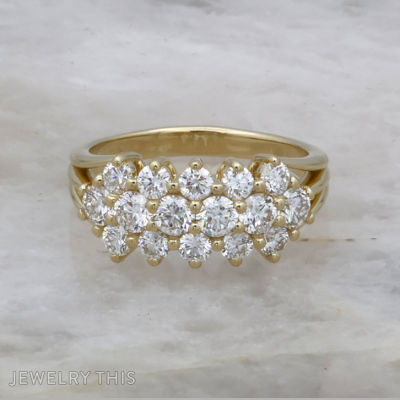
This 14k yellow gold ring recreates a wedding band that had been lost after years ...

Two interlocking bands made of 14k white gold with channel set with VS1 diamonds in ...
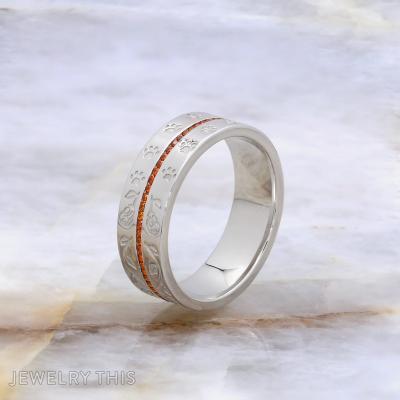
This wedding band pairs two engraved motifs on a wide sterling silver band, separated by ...
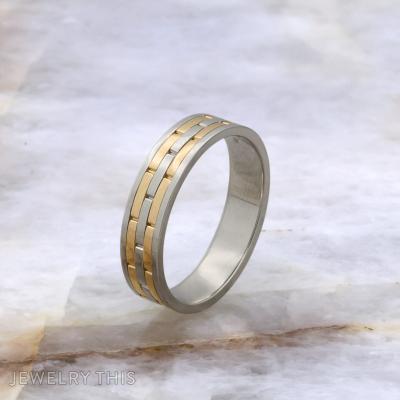
This wedding band recreates a ring lost in a lake after years of daily wear ...
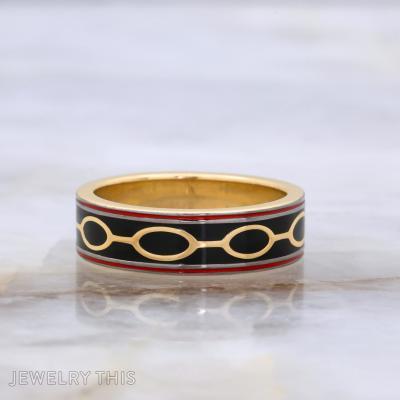
This wedding band pairs 14k yellow gold with black and red hot enamel to create ...

This platinum band is the definition of timeless elegance. The band features a sleek flat ...

This wedding band pairs a straight, flat-profile shank with a graduated row of five prong-set ...

Full eternity white diamond band set in a micro-pave setting style in 18k white gold. ...
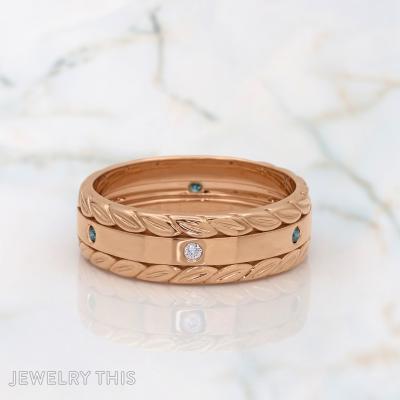
This wedding band was built around a design the client found and loved, then rebuilt ...

Matching wedding bands with a unique yin and yang design that includes white and black ...

This mesmerizing White gold band features three enchanting rows of small round stones, creating a ...

This men’s wedding band was built around a channel of rectangular baguette diamonds running the ...