
Flower Halo Engagement Ring Inspired by a Grandmother's Ring
$$$
14k yellow gold, lab-grown diamonds
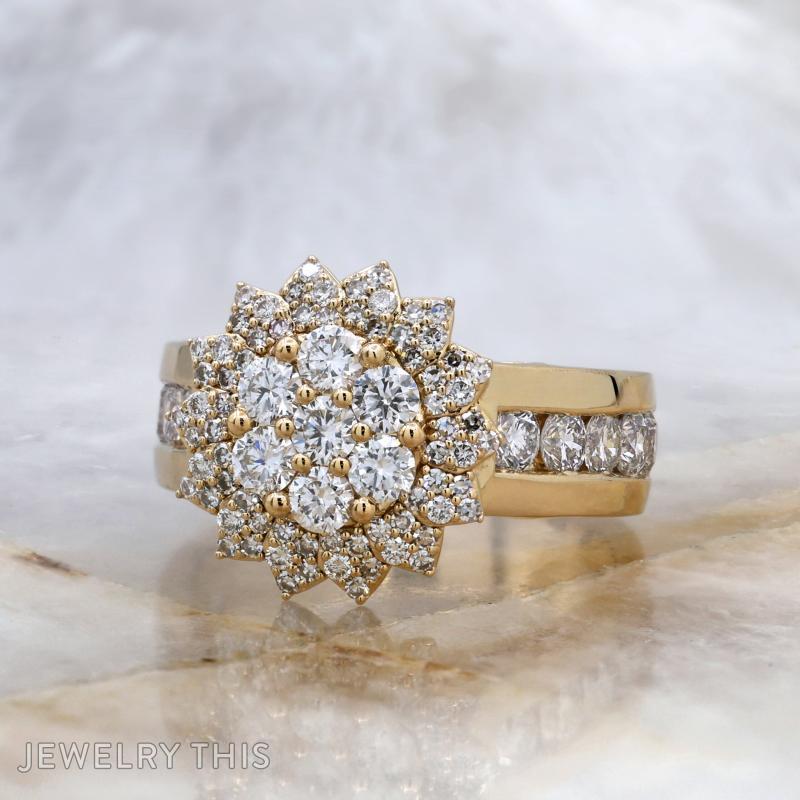
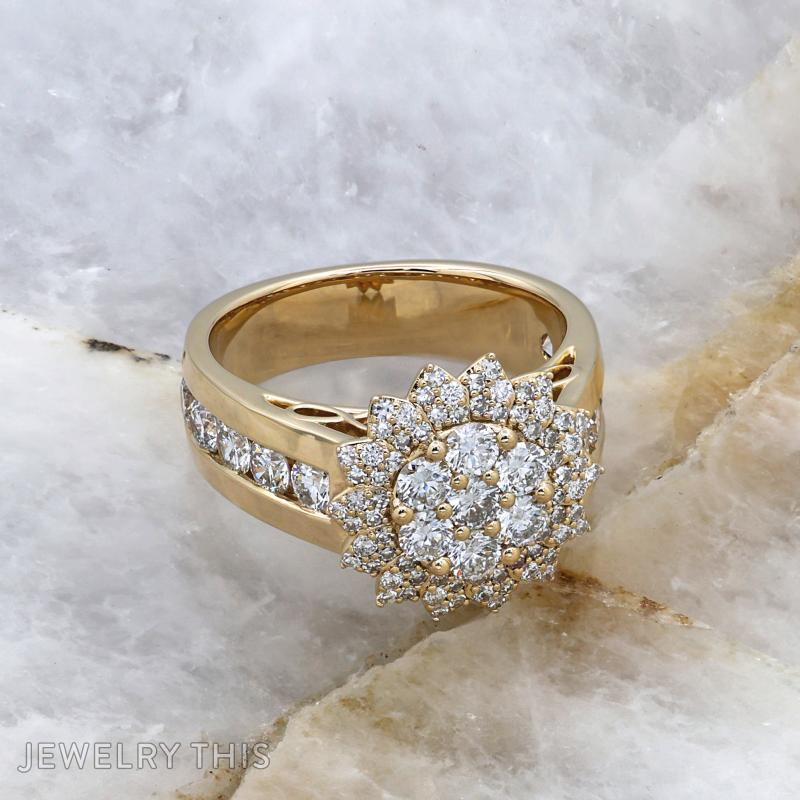
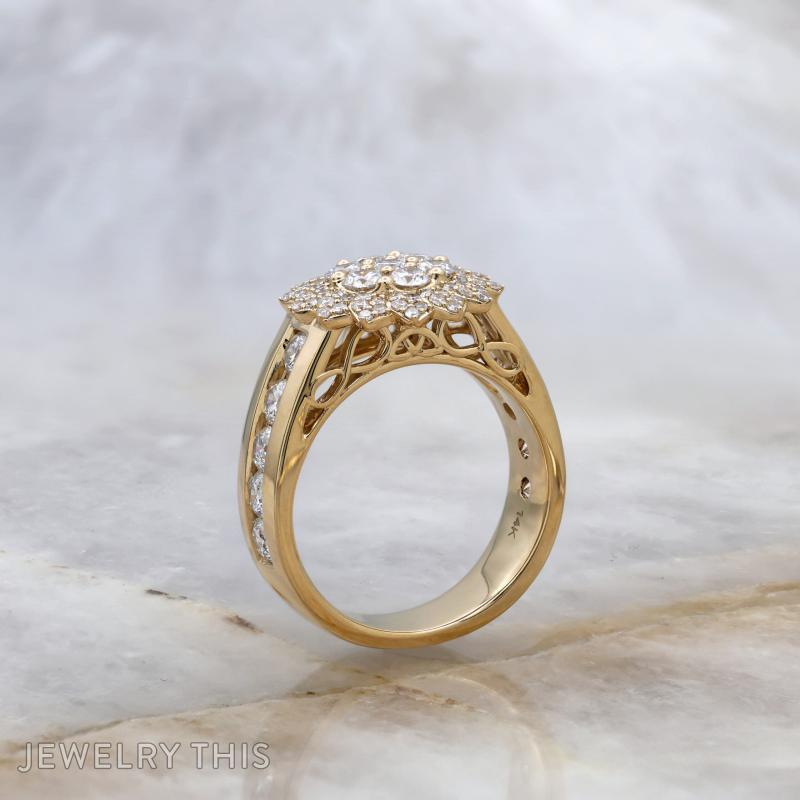
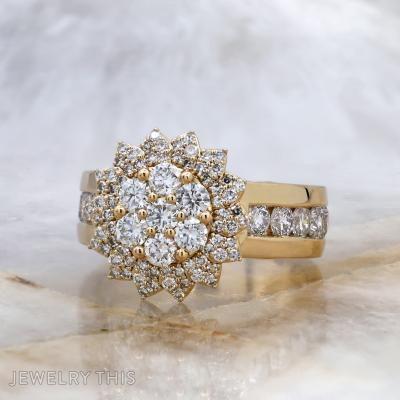
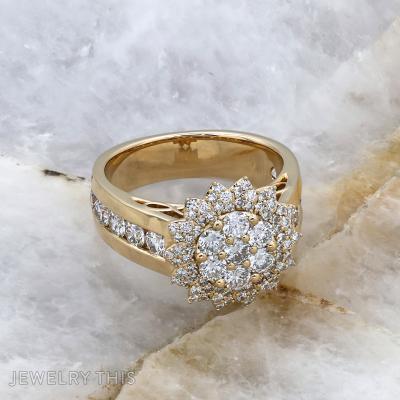
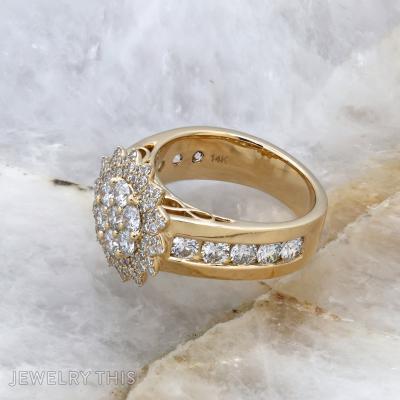
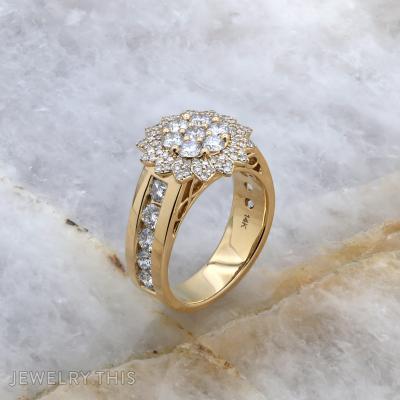
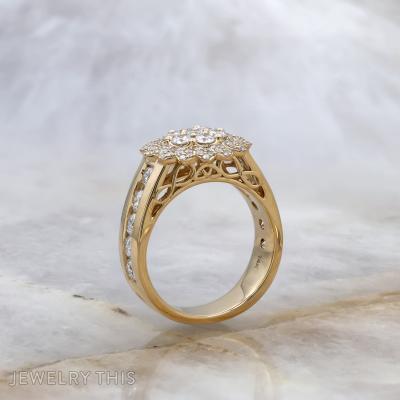
A client wanted to honor her grandmother's antique ring — round, flower-shaped, without stones in the petals — but reimagined larger and set entirely with diamonds. She asked for a Celtic knot merging into an infinity symbol hidden beneath the flower, nodding to her Irish heritage and her background in mathematics. After trying a resin model on her hand and asking for the flower to be sized up, she wrote when it arrived: "We love it. I'd like just 5 stones instead of 6 on each side but otherwise I don't think we need any more adjustments."
'We love it. I'd like just 5 stones instead of 6 on each side but otherwise I don't think we need any more adjustments.' — on seeing a production photo
'I got it. Thank you so much. It is gorgeous.' — on delivery
Quick specs
Design type
Primary Metal
Shape / Cut
Primary Stone
Accent Stones
Design Complexity
Intent: Certainty
Size
Ring size 7.75 US (17.93mm). Band width approximately 10mm at widest point.
How they made it distinctive
-
01
Flower-shaped cluster halo designed as a larger reinterpretation of a grandmother's antique ring, honoring the original shape without copying it exactly
-
02
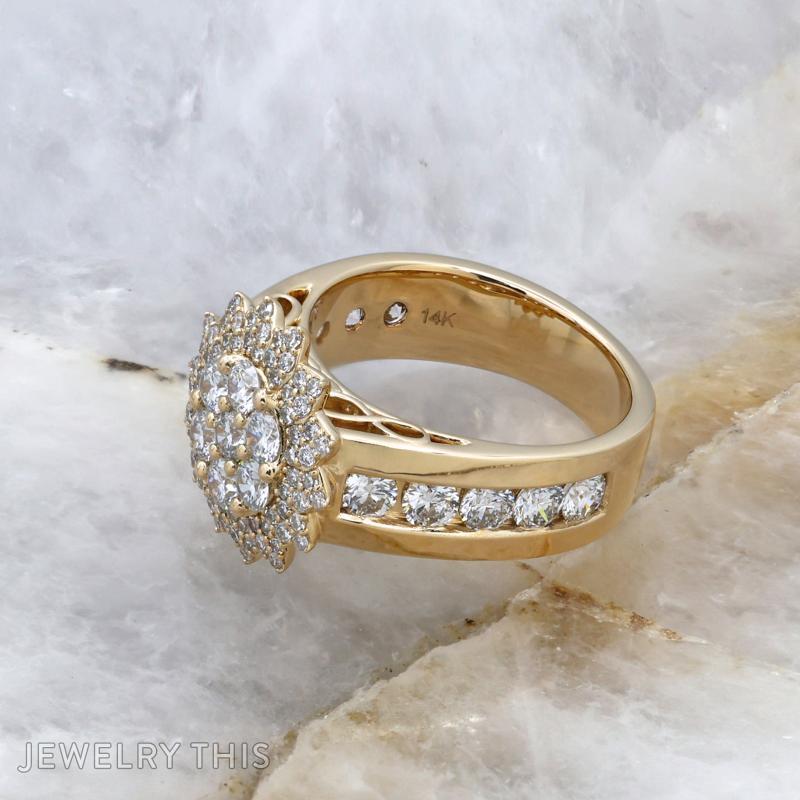
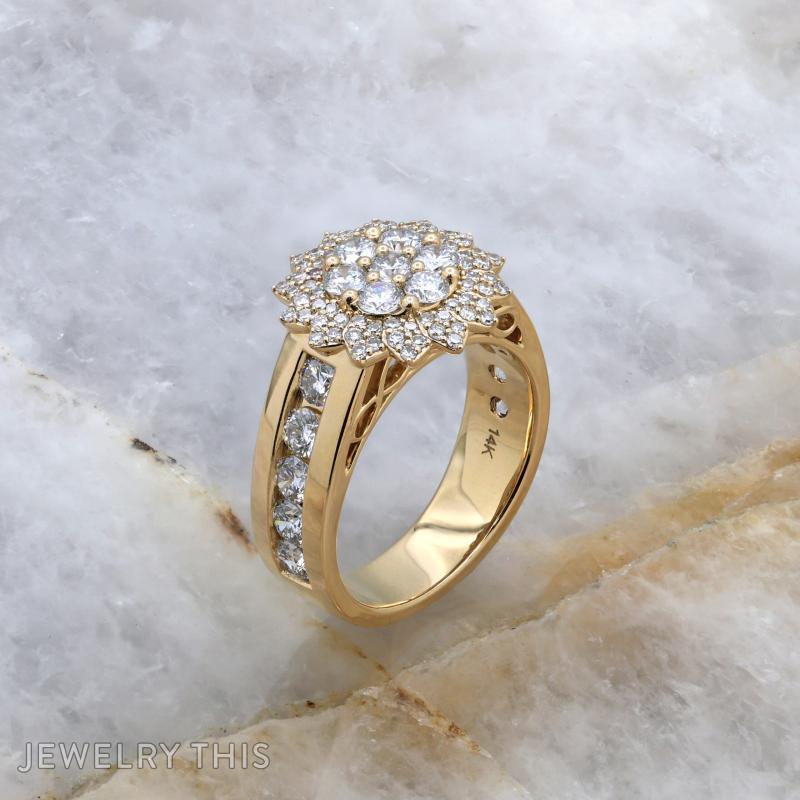
Celtic knot merging into an infinity symbol carved into the gallery beneath the flower, reflecting the wearer's heritage and mathematics background
-
03
Wide channel-set band chosen specifically to balance the visual weight of the large flower cluster
-
04
Top of the setting elevated slightly so a future wedding band can sit flush against the ring rather than at an angle
-
05
Flower size increased twice after the client tried resin models on her hand, ensuring the scale worked in person rather than only on screen
How you'd make it yours
Stone type: this piece uses lab diamonds throughout — a new commission could use moissanite for a similar look, or natural diamonds for those who prefer mined stones
Metal: this piece is 14k yellow gold — the same flower-and-knot design language would work in white or rose gold, or a two-tone combination
Hidden gallery motif: the Celtic knot and infinity symbol are specific to this piece — a new commission could carry a different personal or cultural symbol in the same hidden location
Band width and channel length: this piece uses a wide channel-set band — a new design could use a narrower band or extend the stone channel further
One of a kind: this exact ring was designed for one client's grandmother's memory and is not reproduced — a new commission is an original piece inspired by this one, not a copy
Design changes made
The flower was enlarged twice after resin fittings, the band was widened and given more height, and a Celtic knot-and-infinity motif was added beneath the halo at the client's request in place of plain scrollwork or small stones.
Who this is for
This piece is for someone who wants an engagement ring that reaches back to a specific family piece without simply copying it — someone comfortable asking for more scale, more sparkle, and a personal symbol hidden where only they know to look. It suits a person who is patient through a longer design process because getting the proportions exactly right, in person and not just on screen, matters more than moving quickly.
How it's made
Once the final design was approved, a 3D-printed wax/resin model was produced and mailed to the client to confirm fit and proportion on her hand before any metal was committed — this happened twice as the flower size was refined. The approved model was then set in investment plaster and fired in a kiln to burn out the wax, leaving a hollow cavity. Molten 14k yellow gold was cast into that mold, then the piece was cleaned, cut from its casting tree, and prepared for finishing.
The cast band was hand-polished to a bright finish, with the openwork gallery beneath the flower cleaned out to reveal the Celtic knot and infinity detail. The channel of round diamonds along one shoulder was set first, followed by hand-setting of the diamond cluster within the flower petals and center, each stone individually prong-set to maximize brilliance across the dense arrangement.
Key note
The gallery beneath the flower was deliberately left open rather than solid metal, so the Celtic knot and infinity carving would be visible in profile rather than hidden against the finger.
Pricing guidance
A large diamond cluster engagement ring with a wide channel-set band and pierced gallery detail sits toward the higher end of custom engagement ring pricing. Most of the cost comes from the sheer number of individually prong-set stones required to fill a dense flower cluster, plus the channel-set diamonds along the band. Metal choice and total carat weight across all the stones are what move the price most from there.
Moves price up ↑
- ↑ Increasing the size of the flower cluster, which requires more and/or larger stones
- ↑ Extending the diamond channel further around the band
- ↑ Choosing natural diamonds instead of lab-grown
- ↑ Upgrading from 14k to 18k gold
- ↑ Adding a matching diamond wedding band designed to sit flush against the engagement ring
Moves price down ↓
- ↓ Reducing the flower cluster to a smaller single halo instead of a full petaled design
- ↓ Choosing moissanite instead of diamonds for the smaller accent stones
- ↓ Removing the channel-set stones from the band and leaving it plain
- ↓ Keeping the band narrower rather than widening it
- ↓ Simplifying or omitting the pierced Celtic knot gallery detail
Questions people ask
Lab-grown and natural diamonds are chemically, physically, and optically identical — the only real differences are origin and price. Lab-grown diamonds are typically significantly less expensive than natural diamonds of comparable size and quality. In a dense cluster design like this one, where many small stones are needed, choosing lab-grown keeps the cost more manageable without any visible difference in sparkle. Both options are graded using the same clarity and color scales.
Yes, this is a common request — taking the general shape and character of an heirloom piece and scaling it up or adding more stones. The process usually starts with photos of the original piece and a conversation about which elements matter most to preserve, like the flower shape in this case. A 3D render and resin model let you compare the new design against your memory of the original before anything is cast in metal. Small changes in scale, especially on a small piece, can shift the design more than you'd expect, so this stage is where those adjustments happen.
Channel setting is one of the more secure and durable ways to set stones along a band because the diamonds sit recessed between two walls of metal rather than being held up by prongs. This makes it a good choice for daily wear since there's less risk of the setting catching on clothing or snagging on hair. The tradeoff is that channel-set stones are harder to replace individually if one is ever damaged, since the whole channel may need to be reworked. For a ring worn every day, this setting style holds up well over years of regular use.
A ring with a dense flower-shaped cluster plus a channel-set band sits toward the higher end of custom engagement ring pricing because of the sheer number of stones that must be individually set. The dominant cost driver is labor — setting dozens of small stones by hand takes considerably longer than setting a single center stone. Metal karat and total carat weight across the piece are the next biggest factors. Choosing lab-grown stones over natural ones is one of the more effective ways to manage the overall cost on a design like this.
A ring of this complexity typically takes longer than a simple solitaire because of the design refinement process alone — resin models are often sent back and forth so the client can check proportion and fit before committing to metal. Once a final design is approved and production begins, casting, hand-finishing, and setting dozens of stones in a dense cluster adds meaningful time compared to a single-stone setting. Because of the design iteration this specific style required, a piece like this is best planned as an extended timeline rather than a standard 5-6 week turnaround. Clients working toward a specific date should build in extra time for the back-and-forth design stage.
Yes, openwork galleries underneath a ring's central setting are a common place to add a personal or symbolic detail that isn't immediately visible from the top. A Celtic knot, an infinity symbol, or other small motif can be carved into this area during the wax modeling stage before casting. Because this detail sits in profile rather than on the top of the ring, it tends to be seen when the ring catches the light from the side or when the wearer looks at their hand from certain angles. It's a popular way to add personal meaning without changing the overall look of the ring from above.
Most rings, including cluster-style designs like this one, can be resized within a limited range after casting, though the presence of stones set low on the shoulders or band can make larger resizing adjustments more complex. A channel-set band with stones running along the sides typically has less flexibility for resizing than a plain band, since the channel itself may need to be partially reworked. It's best to confirm your ring size as precisely as possible before the final casting to avoid needing significant adjustments later. Minor seasonal finger size changes are normal and usually fall within a ring's standard adjustable range.
Moissanite is a durable, brilliant alternative to diamond, but it has a different type of sparkle — more rainbow-colored flashes compared to a diamond's whiter brilliance. In a design that mixes many small stones together, jewelers generally recommend using all one stone type rather than mixing moissanite and diamond, since the difference in brilliance can make certain stones stand out unintentionally. For a ring with dozens of small stones like this cluster design, choosing one material throughout keeps the sparkle consistent across the whole piece.
Explore Similar Creations
Every masterpiece starts with a spark. Explore how our clients raw ideas - sketches, heirlooms, inspirations - were transformed into bespoke works of arts.
This exquisite engagement ring tells a story of love, individuality, and resilience—crafted to reflect the ...

Introducing our captivating Vintage-Inspired 14k White Gold Custom Oval Engagement Ring, a timeless embodiment of ...
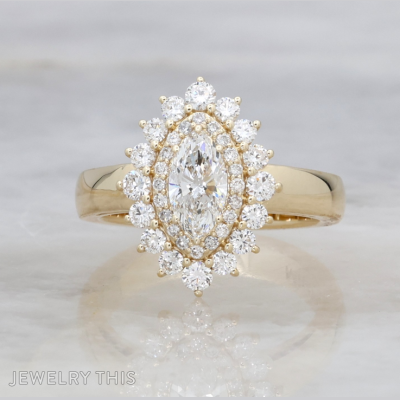
This magnificent yellow gold engagement ring offers breathtaking sparkle and substantial presence. At its heart ...

This exquisite Platinum Moissanite And Sapphire Wedding Set. A harmonious blend of elegance and sophistication. ...

This captivating yellow gold engagement ring features a stunning pear-shaped diamond as its centerpiece. The ...
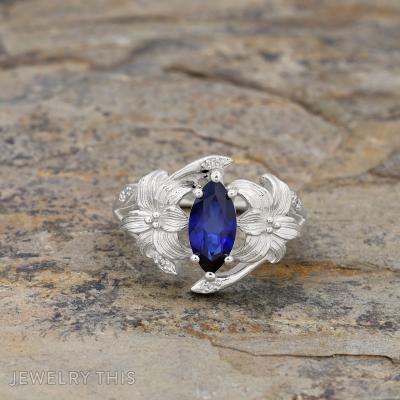
This exquisite engagement ring showcases a stunning marquise cut lab created blue sapphire as its ...
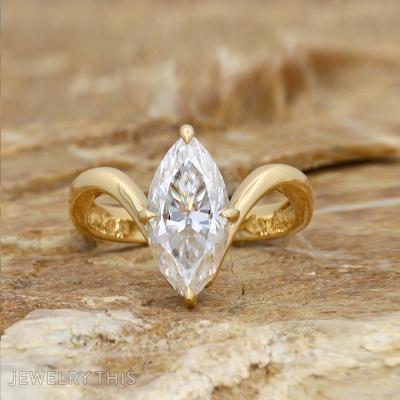
This engagement ring centers a marquise-cut moissanite in a four-prong setting, with pointed claw-style prongs ...

This white gold wedding band is a symbol of enduring love and unity. This exquisite ...
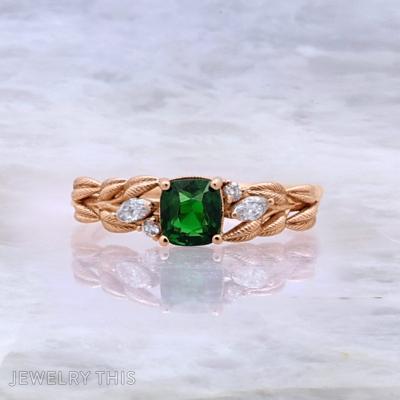
This exquisite rose gold engagement ring is a celebration of vibrant color and intricate craftsmanship. ...
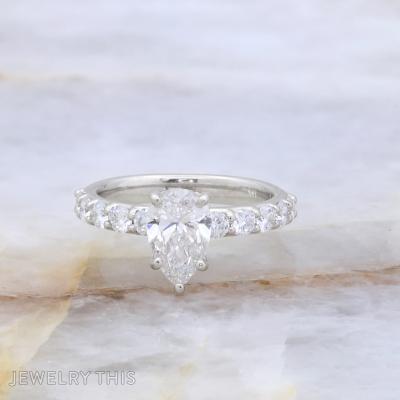
This engagement ring centers a pear-shaped lab-grown diamond set high above a hidden halo, with ...

This exquisite white gold engagement ring showcases a striking geometric-shaped morganite as its centerpiece. The ...

This engagement ring was designed as a close interpretation of a ring the client admired, ...



