


Bypass Ring Reset With Emerald and Citrine Accents
$$$
14k white gold, natural diamond, natural emerald, natural citrine
A longtime client wanted to turn a three-stone diamond ring she'd owned for years into something that represented her two children, using emerald and citrine for their birthstones. She worked through several design directions before landing on a bypass setting with a curved row of each color wrapping around her original diamonds. When it arrived she loved the overall look, though she felt the accent stones read smaller on her hand than she expected from the design photos.
'I think you nailed the design though!' — on seeing the first render
'So I got the ring today and it is pretty.' — on delivery
Quick specs
Design type
Primary Metal
Shape / Cut
Primary Stone
Style
Design Complexity
Intent: Certainty
Size
Ring size 8 US (18.14mm). Center stone 0.80ct (5.9mm); two side diamonds 0.30ct each (4mm); accent stones 1.5mm each.
How they made it distinctive
-
01
Built around the client's own three diamonds rather than new center stones, preserving a ring she'd owned for years
-
02
Two curved bypass arms each carry one color — natural emerald on one side, natural citrine on the other — representing her two children's birthstones
-
03
Designed intentionally to stand alone rather than pair with an existing wedding band, allowing for a wider, more sculptural profile
-
04
Simplified from an early baguette-and-halo concept to two clean curved arms after the client found the busier version overwhelming and costly
How you'd make it yours
Stone type: this piece uses natural emerald and citrine; a new commission could use lab-created colored stones or a different birthstone pairing
Metal: this piece is 14k white gold; the same bypass language works in yellow or rose gold
Accent stone size: this piece uses small 1.5mm stones; a new commission could use larger stones for a bolder color presence
Arm count: this piece uses one bypass arm per side; a new commission could add a second arm per side for more color
One of a kind: this exact ring was built around one client's own diamonds and is not reproduced — a new commission is an original piece inspired by this one, not a copy
Design changes made
The design moved from an early halo-style concept with baguette stones to a simplified bypass setting with two curved arms — one in each color — after the client found the baguette version too busy and the cost of custom-cut baguettes too high.
Who this is for
This piece is for someone who already owns diamonds with meaning and wants them reborn in a design that reflects where life has taken them since. It's especially right for a parent who wants a daily-wear piece that quietly carries her children's birthstones without looking like a traditional mother's ring.
How it's made
Once the final bypass design was approved, the piece was 3D printed in wax and attached to a tree for investment casting. The flask was fired in a kiln to burn out the wax, leaving a hollow mold, and molten 14k white gold was cast into the mold to form the raw ring. The client's own three diamonds were scanned and measured before the design was finalized so the setting could be built to their exact proportions.
After casting, the ring was cleaned and polished to a bright white finish throughout. The curved bypass arms were set first with the small natural citrine and emerald stones in continuous rows, followed by the three diamonds set last — the round center stone flanked by the two original side diamonds. Setting the colored rows before the diamonds let the jeweler true up the curve of each arm before the more valuable center stones were secured.
Key note
The ring was deliberately designed without a flat inner edge, since the client decided partway through the process that it would be worn alone rather than paired with her existing diamond band.
Pricing guidance
A three-stone bypass ring remade with a client's own diamonds and two rows of small colored accent stones sits in the mid range for custom remount work of this complexity. Most of the cost comes from the labor of building a new bypass setting from scratch and hand-setting two continuous rows of small stones, rather than from the center stones themselves since those were client-provided. Metal choice and the size of the accent stones are the biggest levers on price from there.
Moves price up ↑
- ↑ Using larger accent stones instead of small 1.5mm melee-sized stones
- ↑ Adding a second arm of color on each side instead of one
- ↑ Upgrading from 14k to 18k white gold
- ↑ Using custom-cut baguette stones instead of round melee
- ↑ Having the center and side diamonds appraised and certified by a third party
Moves price down ↓
- ↓ Using fewer colored stones or a single shorter row instead of a full curved arm
- ↓ Choosing lab-created colored stones instead of natural emerald and citrine
- ↓ Keeping the design to one accent color instead of two
- ↓ Using smaller or fewer prongs on the three main diamonds
- ↓ Skipping a certificate of authenticity in favor of no documentation
Questions people ask
Yes, this is a common request. The client's existing diamonds are received, scanned, weighed, and measured before any design work begins, so the new setting is built to the exact proportions of the stones being reused. The original setting is not melted down to make the new one, since reusing old metal in a new casting compromises the quality of the final piece. Once the design is approved, the stones are set into the newly cast setting as one of the final production steps.
Citrine rates about 7 on the Mohs hardness scale, which holds up well to daily wear and is similar in durability to amethyst or topaz. Natural emerald is softer, around 7.5 to 8, but typically has more internal inclusions than other gemstones, which can make it more prone to chipping if struck directly. In a design where the stones are set low in a channel or bypass arm rather than raised and exposed, both stones perform well for daily wear. Many clients choose natural stones specifically for the richer, more varied color compared to lab-created versions.
A three-stone ring remounted into a new bypass or wrap design with two rows of small colored accent stones typically falls in the mid range for custom remount work. Because the center and side stones usually come from the client's existing jewelry, most of the cost is in designing and casting the new setting and hand-setting the small accent stones, not in sourcing a center stone. The price moves up with larger accent stones, more rows of color, or a higher karat gold, and down with smaller stones or a single row of color.
Most custom jewelry studios are not set up to buy back gold or issue credit for an old setting, since that requires different licensing and paperwork than making jewelry. The typical process is to return the empty setting to the client once the stones have been removed, and the client can sell the gold separately through a local buyer. The old metal cannot be melted down and reused in the new casting, because reusing existing metal compromises the quality and integrity of a new investment casting.
Once a deposit is paid, the design phase typically takes about one week to produce a photorealistic 3D render for approval. After the design is approved and the remaining balance is at least half paid, production takes approximately three to four weeks, covering casting, finishing, and stone setting. Clients who want to physically test the fit and shape before casting can request a wax or resin model mailed to them, which adds a few days but does not significantly change the overall timeline. Total time from deposit to delivery is typically five to seven weeks depending on payment timing and design revisions.
Increasing the size of accent stones after a ring is cast and set generally requires rebuilding the section of the setting that holds them, since the channel or prongs are sized specifically for the original stones. This is usually not a simple adjustment and can cost close to as much as the original work. It's worth discussing stone size carefully during the design and wax/resin review stage, including requesting side-by-side size comparisons, before the piece goes into production. Reviewing a physical wax or resin model on your own hand is the best way to judge proportion before stones are set.
A bypass setting is a style where the band splits and curves around the center stone from two directions rather than meeting in a single line underneath it, often creating an asymmetrical or wrap-around look. It's a popular way to incorporate additional stones or color around an existing center stone without using a traditional halo. Bypass designs can range from simple and minimal to more elaborate multi-row designs depending on how many stones are set into each curved arm. This style is often chosen specifically because it does not require pairing with a separate wedding band.
A ring guard, or wrap, can usually be designed later to fit around an existing ring, but it requires building a brand-new 3D model from scratch even if the jeweler already has the mold for the original ring. Because a guard typically uses two bands connected by bridges to create a channel for the original ring to slide into, it often uses a comparable amount of metal and labor to the original piece, so the cost is usually similar rather than significantly less. This is worth factoring into a budget if you are considering building up a stacked ring set over time rather than all at once.
Explore Similar Creations
Every masterpiece starts with a spark. Explore how our clients raw ideas - sketches, heirlooms, inspirations - were transformed into bespoke works of arts.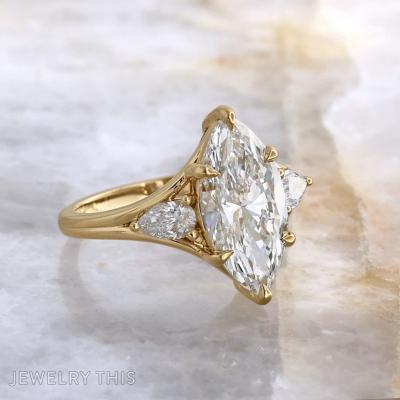
This engagement ring centers a 3.03 carat marquise-cut lab-grown diamond, flanked by two pear-shaped lab ...
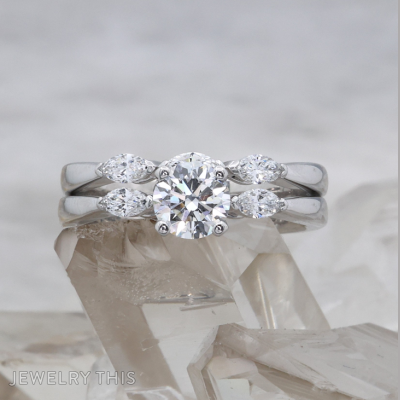
This white gold wedding set was lovingly created to replicate an original set that was ...
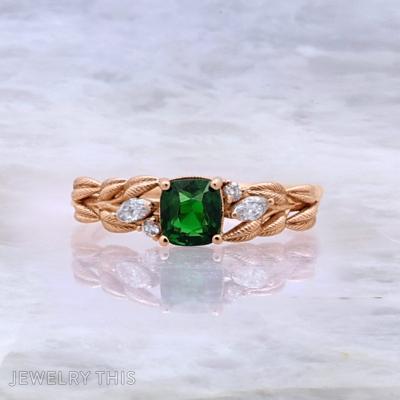
This exquisite rose gold engagement ring is a celebration of vibrant color and intricate craftsmanship. ...
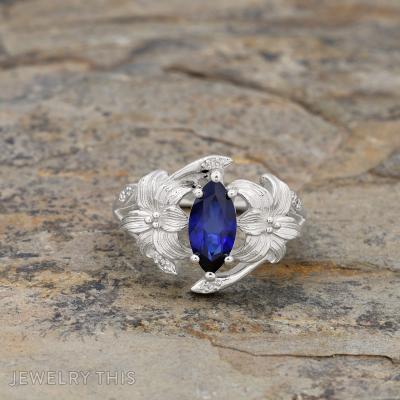
This exquisite engagement ring showcases a stunning marquise cut lab created blue sapphire as its ...
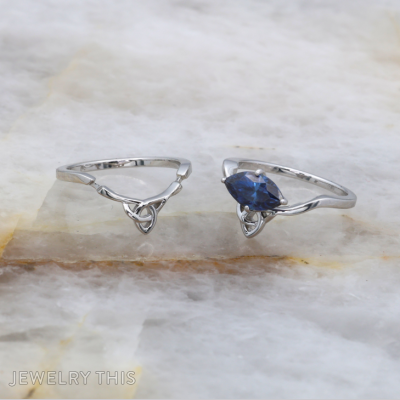
This captivating white gold wedding set features a harmonious design rich in meaning and artistry. ...
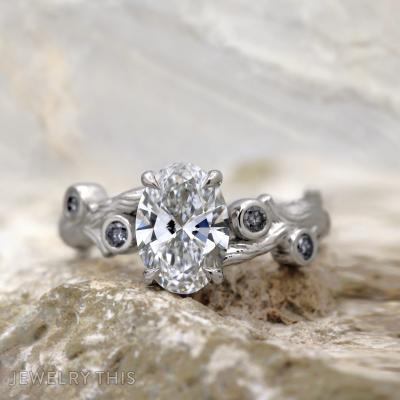
This Platinum engagement ring is a testament to the everlasting beauty of love and nature. ...

This engagement ring was built around a request for a masculine design that still felt ...

This platinum engagement ring set began as a single, structurally compromised ring — a thin ...
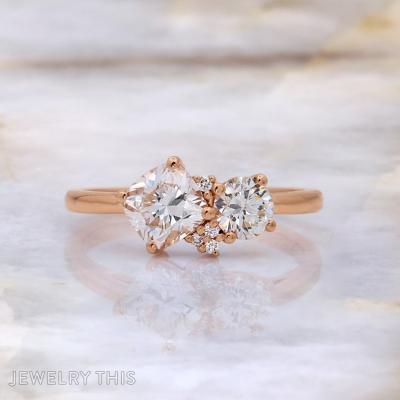
This ring reimagines two heirloom stones into a single two-stone, or toi et moi, design ...

This engagement ring is a bold yet elegant statement piece. It features a 1-carat central ...

Celebrate your love with this stunning 14k yellow gold engagement ring, designed to make a ...

The ocean-inspired Swirl Diamond Engagement Ring is characterized by its design. A stunning testament to ...



