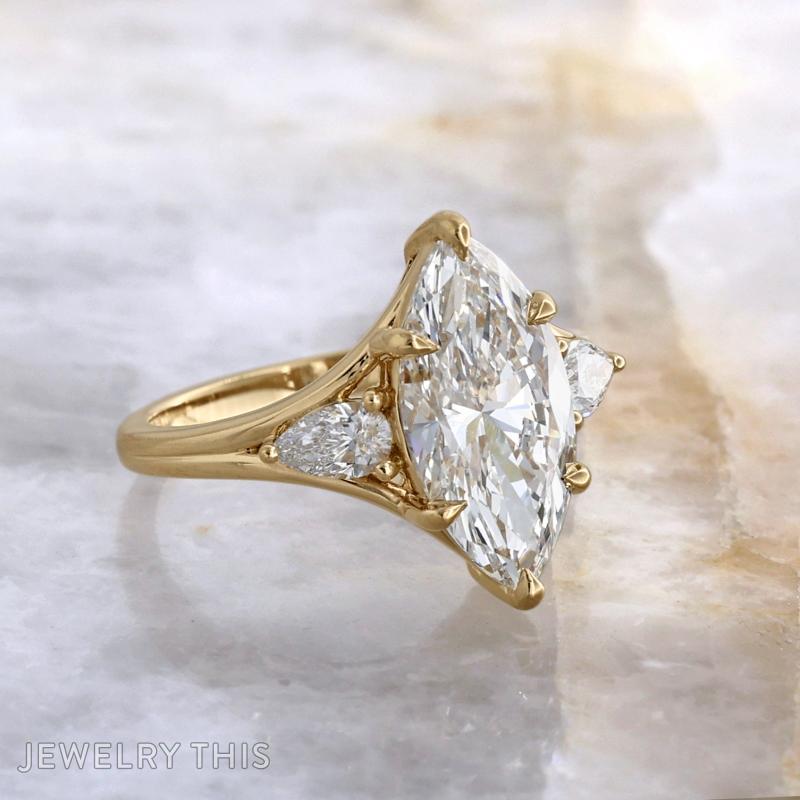
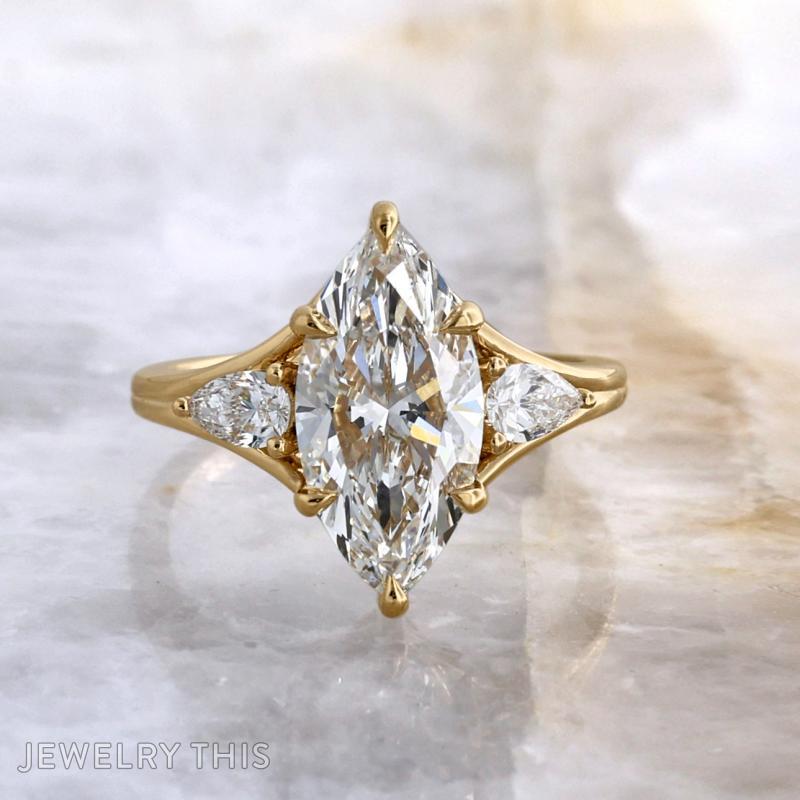
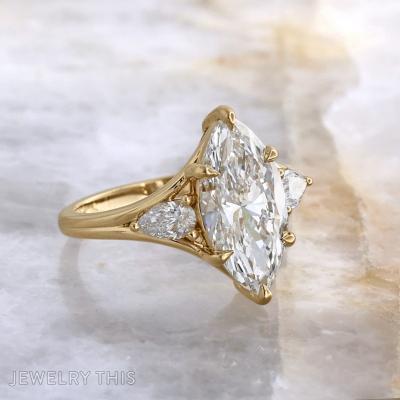
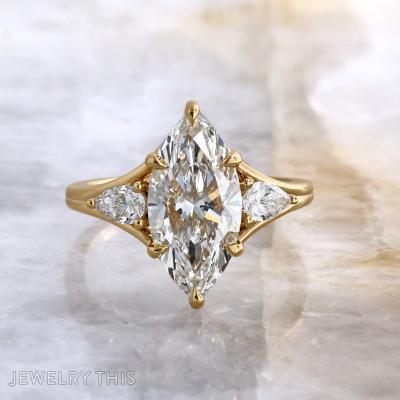
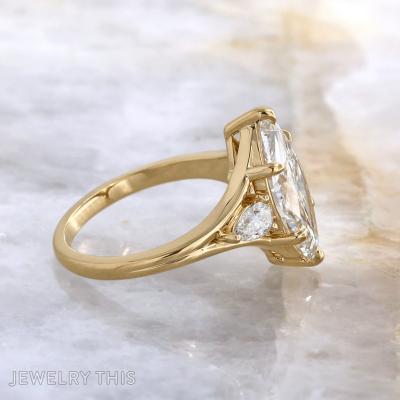
Marquise Diamond Engagement Ring with Pear Side Stones
$$$$
18k yellow gold, lab-grown diamond, lab-grown diamonds
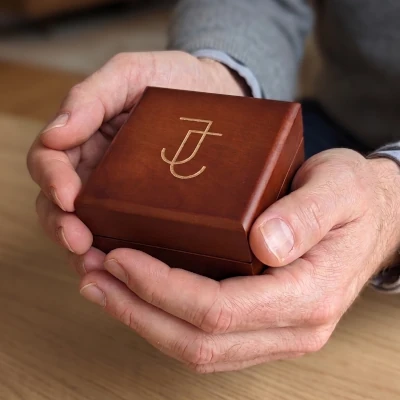
A partner set out to design a proposal ring with a marquise center diamond and pear-shaped side stones, working closely with the design team through several rounds of sketches to get the band's split shank and prong style just right. Months later he wrote back: 'I finally gave her the ring, it was perfect and she loved it.' The couple has since returned to design matching wedding bands to go with it.
'I finally gave her the ring, it was perfect and she loved it.' — on delivery, several months later
'Thank you so much for designing my engagement ring with Daniel; it is better than my wildest dreams!!' — from the recipient, after receiving the ring
Quick specs
Design type
Primary Metal
Shape / Cut
Primary Stone
Accent Stones
Design Complexity
Intent: Certainty
Size
Ring size 6 US. Center stone 3.03 carat marquise; side stones approximately 0.25 carat each, pear shape. Pre-polish weight approximately 6 grams.
How they made it distinctive
-
01
Claw-style prongs chosen specifically to protect the marquise diamond's vulnerable pointed tips
-
02
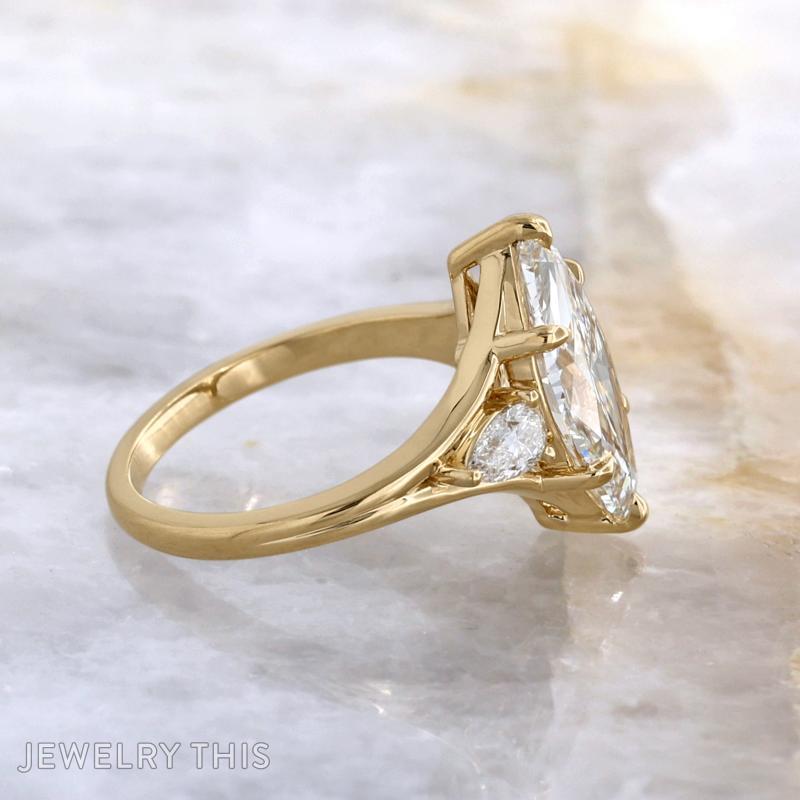
Split cathedral shank reworked into a thin twisted V after the client felt the original had too much visible metal
-
03
A stone set at the center junction of the V to resolve the client's concern about uneven side-stone alignment
-
04
Pear-shaped side diamonds selected over marquise after comparing both options in render form
-
05
18k gold chosen for warmth and durability, sized specifically to a 6 US finger size after an in-process size correction
How you'd make it yours
Center stone: this piece uses a marquise lab diamond; a new commission could use a pear, oval, or natural diamond for a different look or origin
Side stones: this piece uses pear-shaped diamonds; a new commission could use marquise or round side stones instead
Metal: this piece is 18k yellow gold; the same split-shank language works in white or rose gold
Shank style: the twisted V-split cathedral shank is a defining structural feature and would need to be reengineered, not simply resized, for a different hand or stone shape
Engraving: the inside of the band can carry a new inscription on a fresh commission
One of a kind: this exact ring was designed for one client's proposal and is not reproduced — a new commission is an original piece inspired by this one, not a copy
Design changes made
The prongs were changed from rounded to a pointed claw style, and the band was reworked into a thin, twisted V-shaped split shank with a stone set at the center junction after the client felt the original design had too much visible gold and misaligned side stones.
Who this is for
This piece is for someone who wants to be closely involved in refining every detail of their ring — prong shape, band silhouette, stone alignment — rather than choosing from a fixed catalog. It's especially right for someone drawn to a marquise center stone paired with a distinctive, sculptural band rather than a traditional straight shank.
How it's made
Once the design was approved, a wax resin tree was built and placed in a kiln to burn out the wax, leaving a hollow mold. Molten 18k yellow gold was then cast into the mold under pressure, producing the raw ring, which the client was shown in a resin preview before casting. After casting, the piece moved to hand-finishing, where the raised claw prongs were shaped and pointed — a detail only fully visible once the stones are set and the metal is trimmed down.
The center marquise diamond and the two pear-shaped side diamonds were set by hand into the split cathedral shank, with the side stones repositioned along the V-shaped arms to keep them level with each other. The piece was then polished to a bright finish throughout, with final buffing done after stone setting to avoid disturbing the settings.
Key note
The claw-style prong tips are shaped by hand after the stones are already set, which is why they appear thicker and rounder in the design render than in the finished ring.
Pricing guidance
A three-stone marquise engagement ring with a sculptural split shank sits toward the higher end for custom engagement rings, largely due to the size of the center stone and the hand-finishing required for the open V-shaped band. Labor for shaping claw prongs and aligning side stones on a non-traditional shank adds meaningfully to the cost beyond a standard solitaire setting. Center stone carat weight and clarity are the biggest variables from there.
Moves price up ↑
- ↑ Increasing the center stone carat weight beyond 3 carats
- ↑ Choosing a natural diamond center stone instead of lab-grown
- ↑ Upgrading center stone clarity from VS1 to VVS2 or higher
- ↑ Adding stones along the band's side walls in addition to the center three-stone setting
- ↑ Choosing platinum instead of 18k gold for the setting
Moves price down ↓
- ↓ Reducing the center stone carat weight
- ↓ Choosing a simpler prong-set solitaire without side stones
- ↓ Using 14k gold instead of 18k
- ↓ Selecting a lower clarity grade for the center diamond
- ↓ Simplifying the split-shank detail to a standard single-band shank
Questions people ask
Marquise cut diamonds have two pointed tips that are more vulnerable to chipping than rounded cuts, so the prong setting at those points matters a lot. A well-made claw or V-tip prong protects the points during daily wear, including hand washing, typing, and general activity. Diamonds overall rate a 10 on the Mohs hardness scale, so scratching is not a concern, but impact at the tips is the main risk to manage. Regular prong checks every year or two help catch any wear before it becomes a problem.
Lab-grown and natural diamonds are chemically, optically, and physically identical — both are pure carbon with the same hardness and sparkle. The only difference is origin: natural diamonds formed underground over billions of years, while lab diamonds are grown in a controlled facility in a matter of weeks. Lab diamonds typically cost significantly less than a natural diamond of the same size and clarity grade. Certification, in this case from IGI, applies to both types and verifies the stone's carat weight, cut, color, and clarity regardless of origin.
A custom three-carat marquise engagement ring with pear-shaped side stones in 18k gold typically falls toward the higher end of custom engagement ring pricing. Center stone size and clarity are the largest cost drivers, followed by the labor involved in a non-standard band structure like a split or cathedral shank. Choosing lab-grown over natural diamonds keeps the cost meaningfully lower for the same carat weight and clarity. Expect the total to shift with any changes to stone size, metal karat, or band complexity.
The design phase typically takes about one to two weeks for the technical drawing and sketch approval, though it can extend if multiple rounds of revisions are needed. Once the design is approved and moved into production, casting, stone setting, and finishing generally take about four to five weeks. A resin or wax model is often shown partway through so the client can preview the shape before final metal casting. Total timeline from deposit to delivery is usually five to eight weeks depending on how many design revisions are requested.
Yes, prong style is one of the more flexible details in a custom setting — rounded, pointed claw, and V-tip prongs are all achievable depending on the stone shape and design. Claw-style prongs are typically shaped by hand after the stone is set, which is why they can look different in a 3D render than in the finished piece. Pointed prongs are especially common on marquise and pear-shaped stones because they help protect the vulnerable tips. It's worth specifying your prong preference early in the design process since it affects how the setting is engineered.
Yes, resin models can be printed and shipped so you can try on the shape and size before the piece is cast in precious metal. This is especially useful for rings with an open or split-shank design, where the fit and finger coverage can be harder to judge from a render alone. The resin does not include the stones, but it gives an accurate sense of scale, shape, and comfort. If adjustments are needed after trying it on, they can be made before the final casting begins.
Pear-shaped side stones have one rounded end and one pointed end, while marquise side stones are pointed at both ends, and the choice changes the overall silhouette of a three-stone ring. Pear stones tend to create a softer transition into the band, while marquise side stones echo a marquise center stone for a more uniform, elongated look. Both shapes are commonly used flanking a marquise or oval center stone. The decision often comes down to whether the wearer wants the side stones to blend with the center shape or contrast with it.
Yes, a wedding band can be custom-shaped to nest against the contours of an existing engagement ring, whether that means matching a split-shank profile or leaving an open gap where the engagement ring's setting sits higher. This typically requires reviewing photos or the CAD file of the original ring so the new band's curve lines up correctly. Options range from a plain fitted band to one with small diamonds set along the profile. Resin models are recommended for band pairs like this so both pieces can be tried on together before final production.
Explore Similar Creations
Every masterpiece starts with a spark. Explore how our clients raw ideas - sketches, heirlooms, inspirations - were transformed into bespoke works of arts.
This White gold engagement ring is a work of art, featuring a captivating lab-grown Alexandrite ...

This exquisite platinum engagement ring showcases a captivating radiant-cut yellow diamond at its center, set ...

This engagement ring recreates a stolen original as closely as possible from photographs alone — ...

This custom engagement ring exudes elegance and sophistication with its unique design. At its center ...
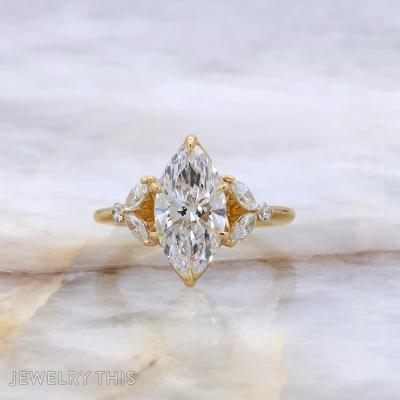
This breathtaking yellow gold engagement ring is a masterclass in asymmetrical, nature-inspired design. At its ...

Step into a world of mythical love and enchantment with this extraordinary wedding set. The ...
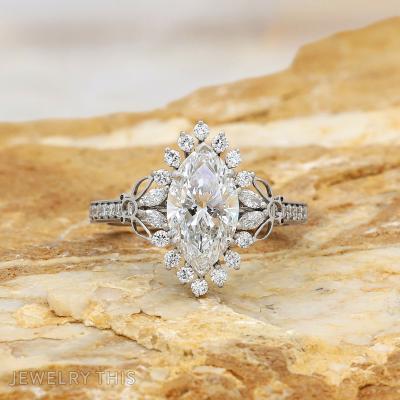
This stunning white gold engagement ring features a marquise-shaped lab-grown diamond at its center, radiating ...

This custom engagement ring set is a thoughtful remake of a cherished piece that was ...
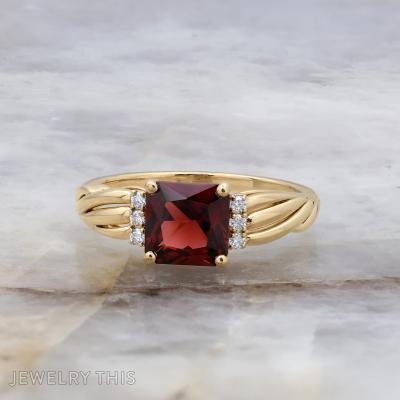
This exquisite engagement ring tells a story of love that is as deep and vibrant ...

This custom engagement ring features a stunning three-stone design that beautifully highlights the uniqueness of ...
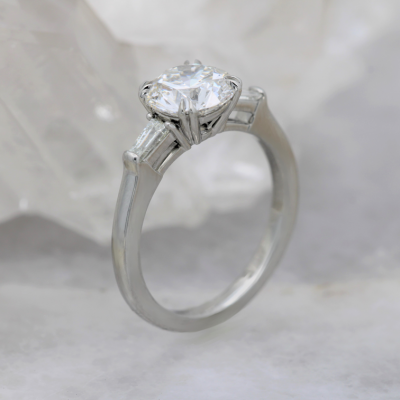
Presenting an extraordinary custom three stone engagement ring, a masterpiece of refined elegance. This enchanting ...
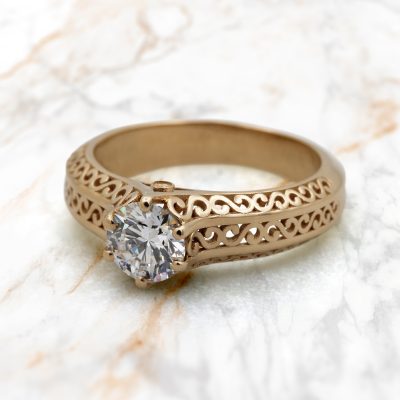
A 14k yellow gold engagement ring with filagree details set with a round lab created ...