

Two-Tone Gold Antler Necklace — Recreated in Finer Metal
$$$
14k white gold, 14k yellow gold
A client came to us to recreate the first piece of jewelry he ever gave his partner, a two-tone antler necklace that had been stolen. The original was made for very little money, and he wanted this version rebuilt in finer metals so it could last. When it arrived in time for the holidays, he wrote: 'Yes it was amazing!! Thank you soo much for your work on this.'
'This looks amazing!! Thank you so much for taking the time to make it!' — on seeing the first 3D render
'Yes it was amazing!! Thank you soo much for your work on this. It was a pleasure working with you!' — on delivery
Quick specs
Design type
Primary Metal
Secondary Metal
Primary Stone
Accent Stones
Design Complexity
Intent: Certainty
Size
Pendant approximately 2in wide (antler span); chain 18in.
How they made it distinctive
-
01
Chain attaches directly to the outer antler tips instead of a center bail, giving the piece a horizontal silhouette rather than a typical hanging pendant
-
02
Two-tone white and yellow gold construction preserves the original's silver-head, gold-antler color contrast in finer materials
-
03
Mirrored three-tine antler branching on each side recreated to match the original design precisely
-
04
Upgraded from a low-cost original to solid 14k gold specifically for long-term everyday durability
-
05
Deliberately subtle design scale, kept close to 2 inches, to preserve the understated look the client valued in the original
How you'd make it yours
Metal: this piece is 14k white and yellow gold; a new commission could use all-yellow or all-rose gold for a different tonal effect
Chain: this piece uses an 18-inch cable chain; a new piece could use a different length or chain style such as curb or figaro
Antler detail: this piece has three tines per side; a new commission could add or reduce branching for a different silhouette
Stone accents: this piece has no stones; a new piece could add small diamonds or gemstones at the antler tips
One of a kind: this exact pendant was designed for one client to recreate a specific personal piece and is not reproduced — a new commission is an original piece inspired by this one, not a copy
Design changes made
The client upgraded from the originally quoted sterling silver and gold-plated option to solid 14k white and yellow gold after asking about durability for everyday wear. The chain length was set at 18 inches based on the rep's assessment of the reference photos, since the client was not sure of the original length.
Who this is for
This piece is for someone who wants to rebuild something that mattered using better materials than the original allowed. It's especially right if you're replacing a meaningful but inexpensively made piece and want the same subtle design carried into something built to last.
How it's made
Once the 3D design was approved, the piece was 3D printed in wax and attached to a wax tree inside a flask. The flask was invested in plaster and fired in a kiln to burn out the wax, leaving a hollow mold. Molten 14k gold was then cast into the mold in both white and yellow sections, producing the raw antler form before it was removed, cleaned, and prepared for finishing.
After casting, the piece was assembled and polished to bring out the contrast between the white gold center section and the yellow gold antler tines. The cable chain was then attached directly to the outer tips of the antlers rather than through a center bail, preserving the original's horizontal silhouette. The piece went through a final quality control inspection before the chain length was confirmed and the necklace was prepared for shipping.
Key note
The chain attaches at the outer antler tips rather than a center bail, so the piece hangs as a horizontal silhouette instead of a typical vertical pendant drop.
Pricing guidance
A two-tone gold pendant of this scale and moderate complexity sits in the upper-mid range for custom work, largely because of the gold content required across two metal colors rather than a single plated finish. Choosing solid gold over a plated base is the single biggest driver of cost here. Chain length and stone absence keep it from climbing into the highest tiers typically reserved for stone-heavy pieces.
Moves price up ↑
- ↑ Upgrading from gold-plated silver to solid 14k or 18k gold throughout
- ↑ Adding a longer or heavier-gauge chain
- ↑ Increasing the number of antler tines or adding more intricate branching detail
- ↑ Adding gemstone accents along the antler tips or center join
- ↑ Choosing platinum instead of white gold for the center section
Moves price down ↓
- ↓ Returning to a sterling silver base with gold plating on the antler sections
- ↓ Shortening the chain length
- ↓ Simplifying the antler branching to fewer tines per side
- ↓ Using a single metal color instead of a two-tone design
- ↓ Choosing a lighter gauge of metal for the antler structure
Questions people ask
Yes, a piece like this was rebuilt entirely from reference photos and a written description, with no physical original to work from. The process starts with a 3D design based on those references, which the client reviews and approves before any metal is cast. Minor differences from the original are normal since the recreation is built from images rather than the physical piece. Most clients find the render captures the design closely enough to move straight to production.
Gold-plated silver has a thin layer of gold over a sterling silver base, which is more affordable but will wear thin over time with daily use, especially at points of friction. Solid 14k or 18k gold carries the same color all the way through the metal, so it does not fade or wear down to a different color underneath. For a piece intended for everyday wear, solid gold is significantly more durable long-term. The tradeoff is primarily cost, since solid gold uses far more precious metal by weight.
Two-tone designs use contrasting metal colors to separate different parts of a design visually, in this case a white gold center section against yellow gold antler branches. This creates definition between the two halves of the design without needing stones or texture to do the work. It also allows the piece to read as subtle rather than flashy, since the contrast is tonal rather than sparkly. Two-tone casting does require more complex production than a single-metal piece, since each color section is cast and finished separately before assembly.
A piece like this typically takes about one week for the 3D design phase, followed by approximately four to five weeks for production once the design is approved and materials are selected. The production stage includes wax printing, casting in each metal color, assembly, polishing, and quality control before the chain is attached. Changing metal options after the design is approved, as happened with this piece, can add a short delay while final pricing and casting are reconfirmed. Overall, six to eight weeks from first deposit to delivery is a reasonable expectation for a two-tone cast pendant.
Yes, 14k gold is one of the most common choices for daily-wear jewelry because it balances gold content with enough hardness to resist bending and scratching better than higher-karat gold. It is more durable than sterling silver or gold-plated pieces, which can tarnish or wear down with constant contact. For a pendant with fine branching details like antler tines, 14k gold also holds fine shapes better than softer, higher-karat alternatives. It is a practical choice when durability over years of wear is the priority.
Yes, chains do not have to attach through a single center bail. On a horizontal design like this one, the chain can connect directly to two points on the piece itself, letting the design lie flat and wide rather than hang as a drop. This requires the design to be engineered with secure attachment points built into the piece during the 3D modeling stage rather than added afterward. It is a common approach for pieces where the design itself is meant to form the visible line of the necklace.
A solid 14k two-tone gold pendant of moderate complexity, including an 18-inch chain, generally falls in the upper-mid price range for custom pendant work. The main cost drivers are the amount of gold used, the number of metal colors involved, and whether the piece is cast in solid gold versus a plated base metal. Simpler single-color designs or plated options bring the cost down significantly, while larger or more detailed branching increases it. Chain length and gauge also factor into the final price.
A pendant shape like this is generally not resized the way a ring would be, since its dimensions are built into the cast piece itself. The chain length, however, can typically be adjusted or swapped more easily than the pendant structure. If the proportions need to change significantly, that is usually addressed before casting, during the 3D design review stage, rather than after the piece is finished. This is why confirming chain length and overall scale during the design approval step matters.
Explore Similar Creations
Every masterpiece starts with a spark. Explore how our clients raw ideas - sketches, heirlooms, inspirations - were transformed into bespoke works of arts.
This pendant takes the form of a snake, its body curving in a graceful S-shape ...

This custom sterling silver pendant is more than just a beautiful accessory – it’s a ...
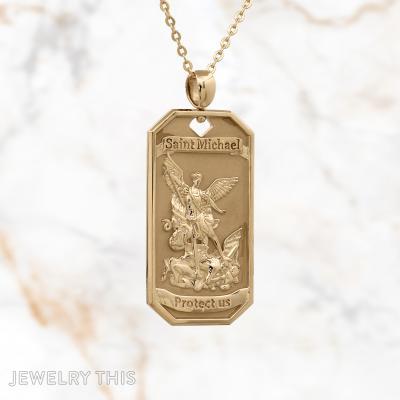
This custom pendant is a heartfelt tribute, meticulously crafted in 10k yellow gold to celebrate ...

This pendant takes the shape of a daisy in full bloom, its petals radiating outward ...

This striking 1-inch pendant, crafted in black rhodium-plated silver, brings a company logo to life ...

This is a classic and sentimental three stone pendant crafted in white gold. This special ...

This 2.5-inch sterling silver pendant was cut entirely from a single photo reference, reworked into ...

A stunning 14k white gold pendant featuring a beautiful Mugunghwa Flower design on a matte ...
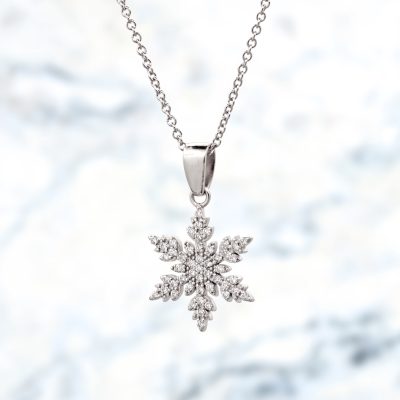
Inspired by his girlfriends nickname ‘Snow’ this exquisite 14-karat white gold pendant is shaped like ...
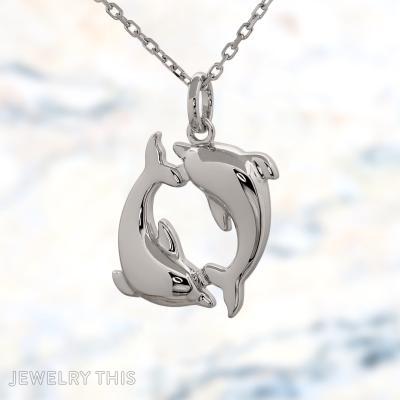
Two dolphins meet nose to nose, forming a graceful circle that symbolizes harmony, love, and ...

This beautiful White gold pendant features delicate beauty in its details. The pendant takes the ...

This custom pendant is a heartfelt tribute to cherished college memories, designed to celebrate a ...



