


Tree of Life Pendant with Hidden Bear Head Back
$$
Fine silver (.999), no stone
R. came to us wanting a pendant built around spirals and the idea of water and the flow of life, inspired by a photo he'd found. Partway through the design process, he mentioned something his grandfather was known for — using a bear as a signature mark on his leatherwork — and asked if it could be worked in. The team added a bear's head to the back of the pendant, framed in a Celtic knot border, so the tribute sits quietly on the reverse of a Tree of Life front. When it arrived, he wrote: "It's perfect. I put it on before I even left the delivery place."
'That is beautiful. I think I will go just how you have it.' — on seeing the first render
"It's perfect. I put it on before I even left the delivery place." — on delivery
Quick specs
Design type
Primary Metal
Primary Stone
Accent Stones
Design Complexity
Intent: Certainty
Size
Pendant approximately 1.5in diameter, hollowed/domed construction with flat back. Cord length 22in.
How they made it distinctive
-
01
Tree of Life front combined with a bear's head tribute on the back — two meaningful design elements on one pendant
-
02
Construction changed from hollow-backed to flat-backed mid-design specifically to fit the added bear's head and knotwork border
-
03
Cast in pure silver rather than standard sterling, a less common and more delicate casting choice the client specifically requested
-
04
Sandblasted matte finish applied to both front and back backgrounds so the linework reads clearly against the surface
-
05
Bear's head design is a personal tribute to a mark the client's grandfather used to sign his leatherwork
How you'd make it yours
Metal: this piece is pure silver — a new commission could use standard sterling silver or white gold for a similar look with different durability
Back design: this piece carries a bear's head tribute — a new piece could carry a different personal symbol or be left plain
Front motif: this piece uses a Tree of Life design — the same openwork technique could depict a different symbol or nature motif
Cord: this piece uses a 22-inch leather cord — a new piece could use a different cord length or a metal chain
Finish: this piece uses a sandblasted matte background with polished linework — a new piece could use an all-polished or oxidized finish instead
One of a kind: this exact pendant was designed for one client and is not reproduced — a new commission is an original piece inspired by this one, not a copy
Design changes made
The original concept was a hollow-backed spiral/rune pendant; midway through design the client asked to add a bear's head on the back as a tribute to his grandfather's signature mark, which required switching from a hollow back to a flat back to accommodate the added detail and knotwork border.
Who this is for
This piece is for someone who wants a symbol-driven design that carries more meaning than what's visible at a glance — something that rewards a closer look. It's especially right if you have a personal or family reference, like a signature mark or a meaningful animal, that you want worked into a piece without it being the obvious focal point.
How it's made
Once the design was finalized, the piece was 3D printed in wax and attached to a wax tree, which was invested in plaster and fired in a kiln to burn out the wax and leave a hollow mold. Molten pure silver was then cast into the mold under pressure, producing the raw pendant in its rough-cast state before any cleanup work began.
After casting, the piece was cleaned and the openwork Tree of Life on the front was refined by hand, along with the bear's head and knotwork border cut into the flat back. A light sandblast finish was then applied to the background areas on both sides, leaving the raised linework polished by contrast so the tree and the bear's head stand out against a matte field.
Key note
The pendant's back was changed from a hollow construction to a flat back specifically to accommodate the bear's head and knotwork detail the client added mid-design — a design change driven directly by the level of detail requested.
Pricing guidance
A complex openwork pendant cast in pure silver with detailed engraving on both sides sits toward the upper end for pendant work of this kind. Pure silver is a less commonly cast material than standard sterling, which adds a modest premium, and the double-sided detail with sandblasted finishing adds meaningful hand-finishing time. Metal choice and the amount of surface detail are the two biggest levers on cost.
Moves price up ↑
- ↑ Casting in pure (fine) silver rather than standard sterling silver, which requires a dedicated casting run
- ↑ Adding a fully detailed second design on the back rather than leaving it plain or lightly engraved
- ↑ Increasing the pendant size beyond 1.5 inches, which increases metal weight and finishing time
- ↑ Upgrading from a leather cord to a solid chain in precious metal
- ↑ Adding gemstone accents to the openwork design
Moves price down ↓
- ↓ Using standard .925 sterling silver instead of pure silver
- ↓ Simplifying the back to a plain surface or small initials only
- ↓ Reducing the pendant size closer to 1 inch
- ↓ Keeping the design single-sided rather than detailed front and back
- ↓ Choosing a simpler single-finish surface rather than sandblasted-plus-polished contrast finishing
Questions people ask
Pure silver, also called fine silver, is .999 percent silver with almost no alloy content, while sterling silver is .925 percent silver alloyed with other metals for added strength. Pure silver is softer and can scratch or bend more easily than sterling, which is why most jewelers use sterling as their standard casting metal. Pure silver is also cast less frequently, often requiring a dedicated casting run rather than being part of a regular production batch. For a pendant that is handled gently and worn on a cord rather than a chain that rubs against other jewelry, pure silver can work well despite being a softer metal.
Yes, a pendant can carry a different design on the front and back, which is a common way to combine two meaningful elements into a single piece. In a case like this, a Tree of Life motif was placed on the front while a separate tribute design was added to the back later in the process. Combining two designs usually affects the construction method — a hollow-backed pendant may need to switch to a flat back to leave enough surface area for a second detailed design. It also typically increases both the design time and the final cost slightly, since two full design passes are required.
A custom pendant like this typically takes about one week for the design phase, including sketches and a 3D render for approval, followed by four to five weeks for production once the design is finalized and paid for. If changes are requested mid-design, such as adding a new element or switching from a hollow to a flat back, that can add roughly another week to the design phase. Total time from first deposit to shipping is usually around six to eight weeks for a piece of this complexity. More complex surface detail or a request for a less common metal can extend the timeline further.
A pendant with openwork detail on the front and a separate detailed design on the back sits toward the higher end of pendant pricing because of the amount of hand-finishing involved on both faces. Casting in pure silver instead of standard sterling adds a modest premium since it requires a dedicated casting run. The final cost is driven mainly by metal weight, the complexity of the design on each side, and the finishing process. A simpler single-sided design in sterling silver would fall toward the lower end of that range.
Yes, a sandblasted or matte finish is typically applied selectively to the background areas of a design rather than the entire surface. The raised linework, such as the branches of a tree or the lines of a knotwork border, is left smooth and polished so it catches light differently than the matte background. This contrast is what makes cut or engraved detail stand out clearly rather than blending into the surface. It can be applied to one side or both sides of a pendant depending on where the detailed design sits.
A leather or rubber cord is a common and durable option for pendants, particularly heavier or larger designs where a delicate chain might feel mismatched. Cords are typically not adjustable once made to length, so getting an accurate neck measurement before production matters more than it would with some chain styles. A cord also tends to be a more affordable option than a solid precious metal chain of comparable length. For a pendant with a bail designed for a cord rather than a fine-link chain, switching to a chain later may require the bail opening to be reconsidered.
Yes, custom jewelry is well suited to incorporating a personal or family symbol that would not appear in a standard catalog piece, such as a specific animal, mark, or motif tied to someone's personal history. These additions are usually discussed and sketched during the design phase so the symbol can be sized and placed correctly relative to the rest of the piece. Adding a personal element partway through an existing design is possible but may require adjusting the construction, such as changing a hollow back to a flat back to fit additional detail. The result is a piece that carries meaning that would not be obvious to anyone who didn't know the story behind it.
Explore Similar Creations
Every masterpiece starts with a spark. Explore how our clients raw ideas - sketches, heirlooms, inspirations - were transformed into bespoke works of arts.
14k yellow gold sitting panda holding a cat in its lap. The cat is filled ...

This pendant reproduces a full family coat of arms — crest, shield with three lions, ...

This pendant centers on a round 14k yellow gold disc with two crossed anchors cast ...
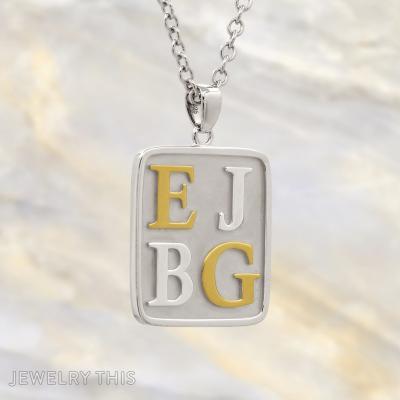
This rectangular sterling silver pendant carries four initials arranged in a two-by-two grid — E ...

Club logo pendant with dimensional text. This pendant is 2 inches in size and was ...

This circular gold pendant encapsulates the beauty of nature and the radiance of the sun. ...

Custom 18karat Gold Tooth pendant made to commemorate a child losing their last baby tooth. ...

This custom pendant is a beautiful and sentimental tribute to a beloved daughter. Measuring 1 ...

This is an exceptional custom jewelry cross pendant, that beautifully reflects faith and personal style. ...

This sterling silver pendant is a testament to personal identity, featuring a unique personalized logo. ...

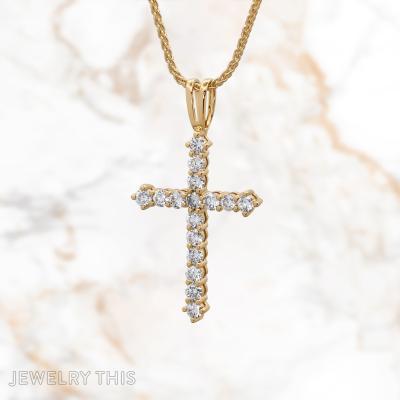
This diamond cross pendant was recreated from a piece that had been worn daily for ...



