


Recreated Lion Coin Pendant in Matte Gold
$
Gold-plated sterling silver, lab-grown diamonds
L. came to us hoping to recreate a lion pendant she'd lost, working from memory and one blurry photo. She sketched what she remembered by hand, and the design went through several rounds of small adjustments — simplifying the mane, repositioning the stones, lifting the lion's head and neck — until it matched what she pictured. When she saw the final model, she wrote: 'Wow! It's perfect. I love this model.'
'Wow! It's perfect. I love this model.' — on design approval
Quick specs
Design type
Primary Metal
Shape / Cut
Primary Stone
Accent Stones
Design Complexity
Intent: Certainty
Size
Pendant approximately 19mm (3/4 inch) diameter.
How they made it distinctive
-
01
Walking lion rendered in profile facing the opposite direction from early design drafts — matched to the client's memory of the original piece
-
02
Mane detail simplified after the first render to match a hand-drawn silhouette the client provided
-
03
Two accent stones flush-set as plain circles rather than star-shaped cutouts, per the client's specific request
-
04
Entirely matte, brushed finish across both the lion and background — no polished elements — to match the soft texture of the lost original
-
05
Raised thin coin-style border framing the design, giving the pendant a coin-like structure as described from the original
How you'd make it yours
Stone type: this piece uses lab-grown diamonds; a new commission could use cubic zirconia for a similar look or natural diamonds for a different durability profile
Metal: this piece is gold-plated sterling silver; the same coin-pendant design works in solid 10k or 14k yellow gold
Motif: a new commission could swap the lion for another animal or zodiac symbol using the same coin-style framing
Finish: this piece is entirely matte; a new piece could mix matte and polished zones for contrast
Engraving: the smooth reverse side of a pendant like this could carry a date or initials on a new piece
One of a kind: this exact pendant was designed for one client and is not reproduced — a new commission is an original piece inspired by this one, not a copy
Design changes made
The two small stones were changed from star-shaped cutouts to simple flush-set circles, the lion's mane detail was simplified to match a silhouette the client provided, and the lion's neck and head posture were raised slightly to better fill the pendant's space.
Who this is for
This piece is for someone trying to bring back a specific object they lost — not just any lion pendant, but their lion pendant, down to the posture and the matte finish. It's especially right if your only reference is a poor-quality photo or your own memory, because that's exactly the kind of recreation this process is built for.
How it's made
Once the final design was approved, the pendant was 3D-printed in wax and attached to a wax tree inside a flask. The flask was placed in a kiln to burn out the wax, leaving a hollow mold, and molten gold-plated sterling silver was cast into that mold. After cooling, the raw pendant was removed from the mold and prepared for finishing.
The piece was cleaned and polished before an all-over matte, brushed finish was applied to both the lion and the coin-style background, matching the soft texture of the original pendant. The two small lab-grown diamonds were then flush-set into the surface above the lion's back, sitting level with the metal rather than raised in a cutout setting.
Key note
The diamonds are flush-set rather than held in a raised setting, so they sit level with the matte surface instead of catching light the way a raised stone would.
Pricing guidance
A small matte-finish coin pendant with a cast lion motif and two accent stones sits toward the lower end of custom pendant pricing. Most of the baseline cost comes from the 3D modeling needed to recreate a design from a photo and memory, plus the hand-finishing required for a clean matte texture. Metal choice and stone type are what move the price most from there.
Moves price up ↑
- ↑ Upgrading from gold-plated silver to solid 10k or 14k gold
- ↑ Choosing natural diamonds instead of lab-grown diamonds
- ↑ Increasing the pendant's overall size beyond 3/4 inch
- ↑ Adding more stones or a more detailed engraved pattern
- ↑ Requesting a two-tone finish with contrasting polished and matte zones
Moves price down ↓
- ↓ Using cubic zirconia instead of lab-grown diamonds
- ↓ Reducing the pendant to a single accent stone instead of two
- ↓ Simplifying the lion motif further to reduce modeling time
- ↓ Choosing a smaller pendant diameter
- ↓ Skipping the raised coin-style border for a flat disc
Questions people ask
Yes, a photo combined with a detailed written description is often enough to rebuild a lost piece closely. The process starts with a 3D render based on the photo and the client's description, which is then refined through several rounds of feedback until it matches what the client remembers. In this case, the client also provided a hand-drawn sketch to help clarify details the photo couldn't show. Most recreations get very close within two or three rounds of adjustment.
Lab-grown diamonds are chemically identical to natural diamonds, just grown in a controlled environment rather than mined, so they have the same hardness and sparkle. Cubic zirconia is a different material entirely — a diamond simulant that looks similar at a glance but is softer and has a different light refraction. For small accent stones like these, lab-grown diamonds cost somewhat more than cubic zirconia but offer better long-term durability and brilliance. Either option works fine for a piece like this, and the choice usually comes down to budget and how long-term durability matters to the wearer.
Gold-plated silver is a sterling silver base piece with a layer of gold plated over the surface, giving the look of solid gold at a lower cost. The plating is a surface coating, not solid gold all the way through, so it will gradually wear thinner with daily contact, especially on edges and raised details. Higher-karat plating tends to hold up longer before it needs re-plating. For a flat pendant like this with a matte finish, the plating typically holds its look well under normal, non-daily-friction wear.
A small coin-style pendant with a cast animal motif and two accent stones sits toward the lower end of custom pendant pricing. The main cost driver is the 3D modeling work needed to interpret a photo or description into a finished design, plus the labor for a clean, even matte finish. Metal choice is the biggest lever — gold-plated silver is the most accessible option, while solid 10k or 14k gold costs more for the same design.
A piece like this typically takes about three to four weeks to produce once the final design is approved, following roughly a week of design revisions beforehand. Production starts with 3D printing a wax model, which is then cast in metal, cleaned, polished, and finished before stones are set. The full timeline from first conversation to shipping is usually around five to six weeks total for a standard order.
Yes, a matte or brushed finish can be applied evenly across gold-plated silver using controlled abrasive finishing techniques, and it does not require visible striations or an uneven texture. The result is a soft, non-reflective surface rather than a mirror polish, achieved without harsh lines or marks. This finish works well on both raised and flat design elements, including a figure like a lion set against a coin-style background.
Yes, flush setting is a common technique where the stone sits level with the surrounding metal surface rather than being held up in prongs or a raised bezel. It gives a cleaner, lower-profile look and avoids any cutout shape framing the stone. This setting style works particularly well on a flat or gently domed surface like a coin-style pendant.
Yes, the level of detail in a cast or engraved design, such as how many individual lines make up a lion's mane, can be adjusted during the design review stage before the piece goes into production. A simplified outline with fewer lines reads as a cleaner, more graphic look, while more detail creates a more realistic or textured appearance. This kind of adjustment is typically made after seeing an initial 3D render and comparing it to a reference image or sketch.
Explore Similar Creations
Every masterpiece starts with a spark. Explore how our clients raw ideas - sketches, heirlooms, inspirations - were transformed into bespoke works of arts.
This pendant was designed to embrace the power of faith. This custom sterling silver cross ...

This key-shaped pendant is a unique and meaningful piece. The top head of the key ...

This pendant reimagines a favorite low-cost design in sterling silver — a fully three-dimensional skeleton ...

This stunning custom pendant captures a deeply personal story of love and cherished memories, reimagining ...

A cherished token of legacy and family pride, this silver pendant was meticulously crafted for ...
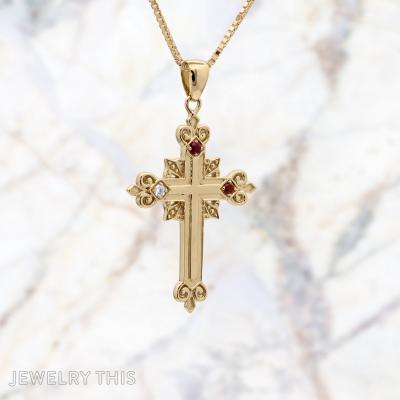
This 14k yellow gold cross pendant was designed to carry three birthstones: one for each ...
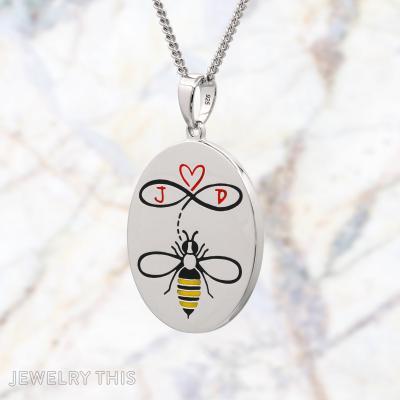
A heartfelt tribute to two best friends, this pendant symbolizes eternal love and connection. A ...

This distinctive yellow gold pendant captures the mystique of the lunar cycle. Shaped as a ...

This minimalist gold pendant is a simple yet elegant design, featuring the word ‘Just’ in ...

This puffed heart pendant is crafted in sterling silver and pave-set with round moissanite stones ...
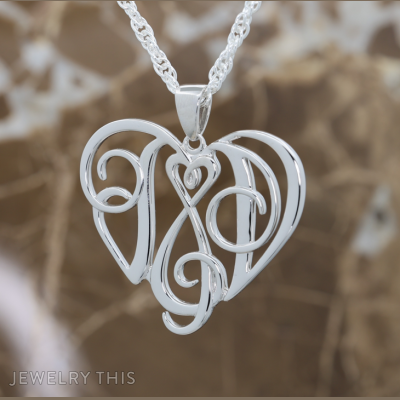
This custom couples’ pendant is a graceful celebration of partnership, weaving two lives together into ...

This yellow gold pendant spells out the name “Blue” in a graceful and flowing cursive ...



