




Skeleton Pendant Recreation in Sterling Silver
$$
Sterling silver, black diamonds
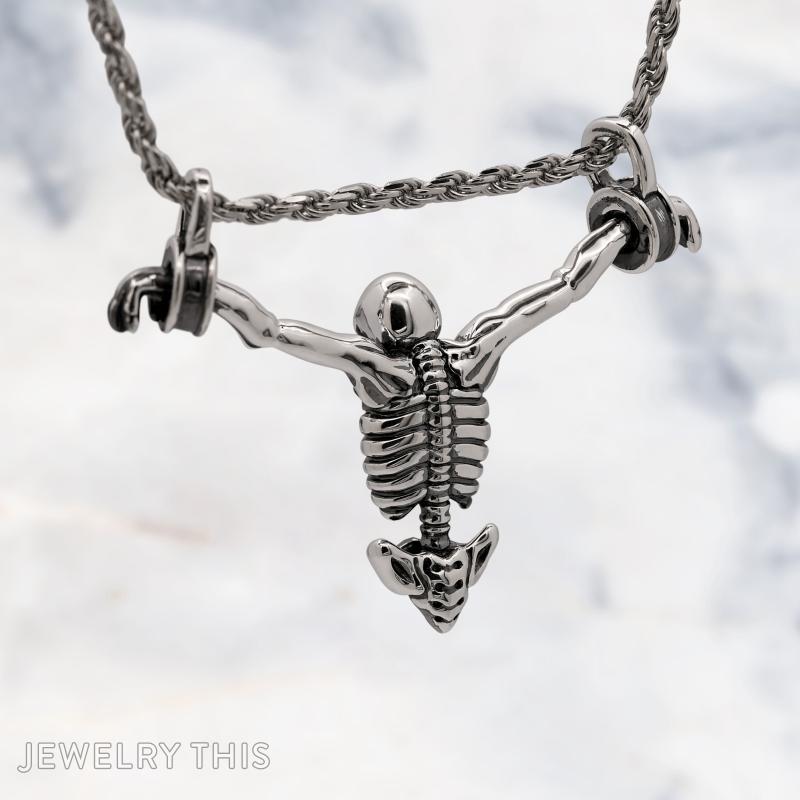
A client had a low-cost skeleton pendant he liked the design of but wanted it made to last, in real silver with added stones set into the eye sockets. The design came together closely on the first render, and small black diamonds were added to the eyes.
'It's perfect! Thank you so much!' — on delivery
Quick specs
Design type
Primary Metal
Shape / Cut
Primary Stone
Accent Stones
Style
Design Complexity
Intent: Certainty
Size
Pendant approximately 2in x 2in (50mm x 50mm).
How they made it distinctive
-
01
Recreated from a low-cost pendant the client already owned, rebuilt in solid sterling silver for lasting wear
-
02
Fully three-dimensional skeleton figure with raised rib and joint detail rather than a flat silhouette
-
03
Oxidized finish settled into the recesses to bring out the dimensional detail without changing the design
-
04
Black diamonds set into the eye sockets after casting, added at no extra cost once stock allowed it
-
05
Hangs by both arms from a rope chain, keeping the figure's pose as the visual focus
How you'd make it yours
Stone type: this piece uses black diamonds in the eyes; a new commission could use cubic zirconia, moissanite, or colored gems for a different look
Metal: this piece is sterling silver; the same figural design works in gold-plated silver or solid gold for a warmer tone
Finish: this piece has an oxidized antique finish; a new piece could stay fully polished for a brighter look
Size: this piece is 2 inches; a new commission is sized to the wearer's preference
One of a kind: this exact pendant was designed for one client and is not reproduced — a new commission is an original piece inspired by this one, not a copy
Design changes made
The eye-socket stones were not included in the original approved render due to budget, but were added after delivery was requested — black diamonds already in stock were set into the eyes at no additional cost.
Who this is for
This piece is for someone who found a design they genuinely love in a cheap version and wants it made to actually last. It's especially right if you're drawn to bold, sculptural, slightly dark imagery and want real metal and real stones instead of a costume piece that will tarnish or break down over time.
How it's made
Once the design was approved, a wax model of the pendant was produced using a 3D printer and attached to a wax tree inside a flask. The flask was placed in a kiln to burn out the wax, leaving a hollow mold, and molten sterling silver was cast into the mold under pressure. After cooling, the raw piece was removed from the tree, cleaned, and prepared for finishing.
Because the design is highly three-dimensional, finishing required extensive hand work to bring out the detail in the rib cage and joints. An oxidized finish was applied to darken the recessed areas — the eye sockets, between the ribs, and the joints — while the raised surfaces were polished bright, creating contrast across the figure. The black diamonds were then set by hand into the eye sockets as a final step.
Key note
The oxidized antique finish only shows up after casting — it can't be previewed on the digital render, which is why the darker, worn look was described in conversation rather than shown ahead of time.
Pricing guidance
A highly three-dimensional figural pendant like this sits toward the upper end of pendant pricing due to the sheer amount of hand-finishing required. Most of the cost comes from labor rather than material — a flat or low-relief pendant in the same metal would cost considerably less. Adding stones and a specialty finish moves the price further from there.
Moves price up ↑
- ↑ Adding more stones beyond the two eye accents, such as stones in the joints or spine
- ↑ Upgrading from sterling silver to 14k gold or gold plating
- ↑ Increasing the pendant size beyond 2 inches, which increases material and finishing time
- ↑ Requesting a fully hand-carved wax model instead of a 3D-printed one for more organic detail
- ↑ Adding a matching bracelet or earring set with the same figure
Moves price down ↓
- ↓ Reducing the design to a flatter, lower-relief silhouette instead of full 3D dimension
- ↓ Choosing cubic zirconia or moissanite instead of black diamonds for the eyes
- ↓ Skipping the oxidized antique finish and leaving the piece fully polished
- ↓ Reducing the pendant size to under 1.5 inches
- ↓ Omitting stones from the eye sockets entirely
Questions people ask
Yes. This pendant started as a low-cost costume piece the client wanted rebuilt in real sterling silver. The process involves a 3D-printed wax model, kiln burnout, and a silver casting, followed by extensive hand-finishing to bring out the dimensional detail. The result holds up far better than a cheap alloy piece and won't tarnish or degrade the same way over time.
An oxidized finish is a chemical darkening process applied to sterling silver after casting and polishing. It settles into the recessed areas of a design — like joints, ribs, or engraved lines — while the raised, polished surfaces stay bright, creating natural-looking contrast and depth. It's a common technique for figural and sculptural pieces where flat polish alone wouldn't show off the detail. The finish can wear down slightly over years of handling and can be reapplied by a jeweler if it fades.
Yes, small round black diamonds are commonly used as accent stones in tight spaces like eyes on figural pendants. Black diamonds get their color from dense natural inclusions rather than treatment, and they read as solid black rather than sparkly, which works well for a skull or figural design. They're set using small prongs or a bezel sized specifically for the socket. The scale is usually a few millimeters, so the stones read as detail rather than a focal point.
Highly dimensional figural pendants sit toward the higher end of custom pendant pricing because so much of the cost is hand-finishing labor rather than material. A design with raised anatomical detail, multiple finish zones, and set stones takes considerably longer to produce than a flat or lightly engraved pendant. Metal choice, size, and stone count are the main variables that move the price up or down from there. Simpler, flatter designs in the same metal would cost meaningfully less.
A piece like this typically takes about one week for the design phase, where a 3D render is created and approved, followed by three to four weeks of production. Production includes 3D printing the wax model, casting, hand-finishing the detail work, applying any specialty finish, and setting stones. Highly detailed pieces with a lot of hand-finishing can run toward the longer end of that window. The full process from deposit to shipping is usually five to six weeks total.
Yes, this is a common request — a client had a low-cost pendant in a lesser metal and wanted the same design recreated in solid sterling silver. The team works from photos of the original piece to rebuild the design as a 3D model, which the client reviews and approves before production. It's a straightforward way to get a design you already love made to actually last, rather than replacing a costume piece with an identical costume piece.
Sterling silver is a durable, long-wearing metal for pendants, rated around 2.5 to 3 on the Mohs hardness scale, which is suitable for daily wear as long as it isn't subjected to heavy impact. It can tarnish over time with air exposure, but this is easily reversed with regular polishing. For a piece with an oxidized finish, some of that darkening is intentional and part of the design rather than tarnish to be removed. Sterling silver is a common and reliable choice for detailed figural pieces like this one.
In some cases yes, particularly with small accent stones like eye details on a figural piece, though it's best to include everything in the original approved render whenever possible. Adding stones after casting means the setting has to be created or adjusted to fit the existing piece, which isn't always feasible depending on the design. It's most successful with small stones in an already-defined recess, like an eye socket, where the setting can be added without reworking the whole piece. Confirming all design details, including stones, before the render is approved avoids this extra step.
Explore Similar Creations
Every masterpiece starts with a spark. Explore how our clients raw ideas - sketches, heirlooms, inspirations - were transformed into bespoke works of arts.
Crafted with precision and elegance, this 14k yellow gold pendant showcases the initials HEC in ...

Crafted with meticulous detail, this custom rectangular bar pendant exudes elegance and spiritual significance. Adorning ...

This custom pendant features a sophisticated square design with a striking enamel finish. At the ...

14k yellow gold pendant with the initial K & N topped with a crown. Pendant ...

This pendant showcases a breathtaking detailed Coptic Cross, expertly crafted to capture every intricate element. ...

The custom pendant was designed to celebrate 33 years of enduring love and unity. Crafted ...

This custom pendant is a tribute to a beloved memory, beautifully crafted in luminous 14k ...

Inspired by the essence of enduring love and shared milestones. This pendant was designed and ...

Sterling silver star pendant set around perimeter with alternating diamonds and sapphires. Pendant: 1 inch ...

Crafted for a Southwest flight attendant, this key pendant embodies both elegance and sentimentality. Crafted ...

This beautiful sterling silver round pendant features initials prominently displayed on the front. Below the ...
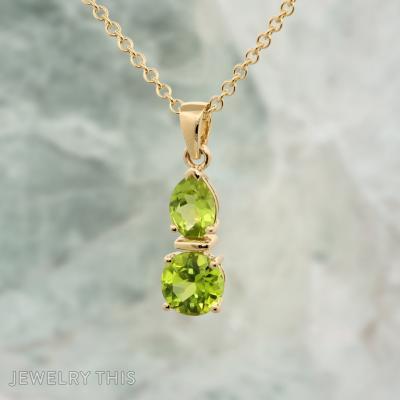
This pendant was designed around a simple idea: two peridots, one pear-shaped and one round, ...



