


Floral Vine Ring Recreation in 18k Yellow Gold
$$
18k yellow gold, lab-grown diamonds
A boyfriend came to us hoping to recreate a ring his girlfriend had lost — one her grandmother had given her before she passed. Working only from a couple of photos and his own memory of the details, he went through several rounds of adjustments to get the flowers, vines, and leaves placed just right. By the final render he was fully satisfied, writing simply: "Looks good!"
'It looks pretty good!' — on seeing the first render
'Looks good!' — on design approval
Quick specs
Design type
Primary Metal
Shape / Cut
Primary Stone
Accent Stones
Style
Design Complexity
Intent: Certainty
Size
Ring size 7.75 US (17.93mm).
How they made it distinctive
-
01
Five sculpted flowers connected by vine-like stems — rebuilt from scratch mid-process to better capture the curve of the original
-
02
Leaves added down both sides of the band specifically because the client noticed them missing from the original photo reference
-
03
Solid lower shank left undecorated — balances the delicate open floral pattern with everyday durability
-
04
18k yellow gold chosen over a plated option specifically so the ring would not discolor the wearer's skin
-
05
Round lab-grown diamonds set in bezel-style centers rather than cubic zirconia, for better long-term wear
How you'd make it yours
Stone type: this piece uses lab-grown diamonds; a new commission could use cubic zirconia or sapphires for a different look
Metal: this piece is 18k yellow gold; the same floral design works in 14k yellow gold or rose gold
Flower count: this piece has five flowers; a new design could use more or fewer depending on preference
Band coverage: the floral pattern currently wraps most of the band with a solid back; a new piece could extend the pattern further or keep more of the band plain
One of a kind: this exact ring was designed to recreate one client's memory of a specific heirloom and is not reproduced — a new commission is an original piece inspired by this one, not a copy
Design changes made
An additional flower was added to the right side and the overall layout shifted left to better match the original photo, and vine-like leaves were added down both sides of the band after the client pointed out they were missing from the first render. The jeweler also rebuilt the design from scratch partway through to better capture the curve and proportion of the original.
Who this is for
This piece is for someone who wants to bring back a design that held real meaning, even without the original object or any paperwork to work from. It's especially right for anyone rebuilding a floral or nature-inspired heirloom from nothing more than memory and a photo, who wants the finished piece to feel both familiar and solidly made for daily wear.
How it's made
Once the design was finalized, the ring was 3D printed in wax and attached to a wax tree inside a flask. The flask was placed in a kiln to burn out the wax, leaving a hollow mold, and molten 18k yellow gold was cast into that mold under pressure. After cooling, the raw casting was removed from the flask and separated from the tree for cleanup.
The cast piece was then cleaned, filed, and polished to bring out the dimension of the flowers, vines, and leaf details along both sides of the band. Each of the round lab-grown diamonds was set by hand into its flower center using a bezel-style setting sized to the small stone. The band was finished to a mirror polish, with the solid lower shank smoothed to sit comfortably against the finger.
Key note
The lower half of the band was deliberately cast as a solid, undecorated shank rather than continuing the floral pattern all the way around, which is what gives the open vine-and-flower upper design the structural strength to hold up to daily wear.
Pricing guidance
A multi-flower vine ring with several individually set accent stones sits in the mid range for custom rings of this complexity. Most of the cost comes from the hand-finishing needed to bring out dimension in an open, organic design with several small flowers, plus the labor of setting multiple individual stones. Metal karat and stone choice are what move the price most from there.
Moves price up ↑
- ↑ Increasing the diamond count or upgrading to natural diamonds instead of lab-grown
- ↑ Choosing a higher karat gold such as 22k, which requires a dedicated casting flask
- ↑ Extending the floral pattern fully around the band instead of resolving into a solid shank
- ↑ Adding more leaf or vine detail along the sides
- ↑ Hand-finishing additional dimensional texture into each flower petal
Moves price down ↓
- ↓ Using cubic zirconia in place of lab-grown diamonds
- ↓ Switching to gold-plated sterling silver instead of solid 18k gold
- ↓ Reducing the number of flowers in the design
- ↓ Simplifying the vine and leaf detailing along the sides
- ↓ Choosing a lower karat gold such as 14k
Questions people ask
Yes, a ring can be recreated from photos alone when no physical piece, paperwork, or appraisal is available. The process starts with a 3D render based on the photos and description provided, and that render is refined through several rounds of feedback until the proportions, stone placement, and details match what's remembered. It typically takes a few rounds of adjustment to fully capture a detailed organic design like a floral band. The more descriptive detail provided up front, such as how many flowers or where the vines sit, the fewer revisions are usually needed.
Lab-grown diamonds are chemically identical to natural diamonds, just grown in a controlled environment rather than mined, so they have the same hardness and durability for daily wear. Cubic zirconia is a different material entirely that looks similar at a glance but is softer and more prone to clouding or scratching over time. For small accent stones in a ring like this, lab diamonds generally hold their brilliance better over years of wear. The cost difference between the two is often smaller than people expect, which is why lab diamonds are frequently recommended over CZ.
No, solid 18k gold will not turn skin green because it contains a high percentage of pure gold and very little base metal alloy. Green discoloration usually happens with lower-karat gold-plated pieces once the plating wears thin and the base metal underneath is exposed to skin and moisture. Solid gold in 14k or 18k is a reliable way to avoid that issue entirely. This is one of the main reasons solid gold is often recommended over plated options for daily-wear rings.
24k gold is nearly 100% pure, which makes it very soft and prone to bending, scratching, and losing its shape under everyday pressure. Jewelry is almost always cast in 14k or 18k gold instead, which mixes in other metals to add strength while still keeping a rich yellow color. 18k gold offers a noticeably warmer, richer tone than 14k while still holding up well to daily wear. For a ring with raised floral details like this one, added durability matters since those details can catch on things more than a plain band would.
A ring with this level of detail — multiple sculpted flowers, vine and leaf work along the band, and several individually set stones — falls in the mid range for custom work of this complexity. The main cost driver is the hand-finishing labor required to bring out dimension in an open floral design, along with the labor of setting each stone individually. Choices like metal karat, stone type, and how much of the band is decorated versus left plain all affect the final price. Simpler versions with fewer flowers or CZ instead of lab diamonds would come in lower.
Design typically takes about a week for the first render, though a detailed organic design like this one can take longer if multiple rounds of revisions are needed to get the proportions right. Once the design is approved, production takes approximately four to five weeks from wax model to finished, polished piece. Altogether, a ring like this moves from first sketch to delivery in roughly six to eight weeks depending on how many design revisions are requested. Complex organic shapes with lots of small sculpted detail tend to take a bit longer than simpler bands.
It can, but many floral vine designs are intentionally built with a solid section at the back of the band rather than continuing the pattern the whole way around. This solid shank gives the ring structural strength where it needs it most, since an open, lace-like pattern all the way around would be more prone to bending or breaking with daily wear. It also makes the ring more comfortable against the palm. The decorated portion can be made to wrap more or less of the band depending on how delicate or substantial the wearer wants it to feel.
A recreation is made to the current wearer's measured ring size, not the size of the original heirloom piece, since hands and sizing needs are specific to each person. This means the proportions of the design, like how many flowers fit around the band, may need slight adjustment to look balanced at a different size. Working with a jeweler to confirm an accurate ring size before the 3D design stage helps avoid needing a resize later. Once cast, a detailed ring like this can typically still be resized within a limited range if needed.
Explore Similar Creations
Every masterpiece starts with a spark. Explore how our clients raw ideas - sketches, heirlooms, inspirations - were transformed into bespoke works of arts.
This custom wedding band is thoughtfully designed to complement a previously crafted engagement ring, creating ...

This exquisite men’s signet anniversary ring is a stunning blend of artistry and personal meaning, ...


This custom engagement ring features a luminous 7mm pearl as its centerpiece, beautifully embraced by ...
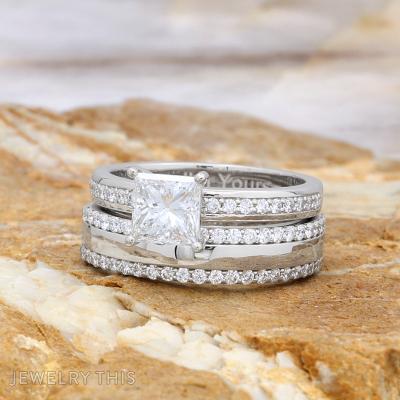
This cohesive white gold wedding set radiates contemporary elegance through its balanced geometry and brilliant ...
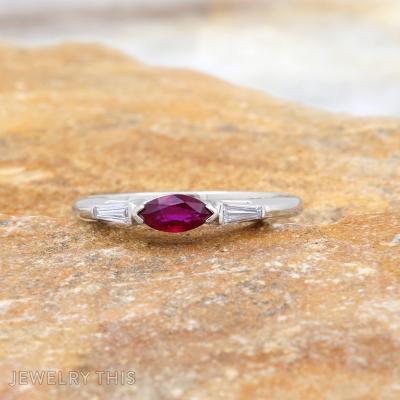
This platinum band recreates the style of a 1940s-era ring using the client’s own marquise ...

This ring was created to replicate the sentiment and beauty of a lost family heirloom. ...

This beautiful garnet ring is a loving recreation of an antique costume piece, brought to ...
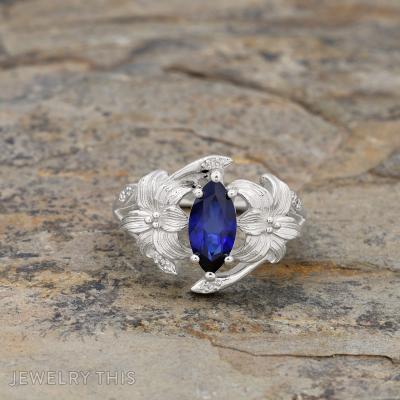
This exquisite engagement ring showcases a stunning marquise cut lab created blue sapphire as its ...

Sterling silver ring with geometric design. Rose gold plated top with silver accents. Personalized engraving ...
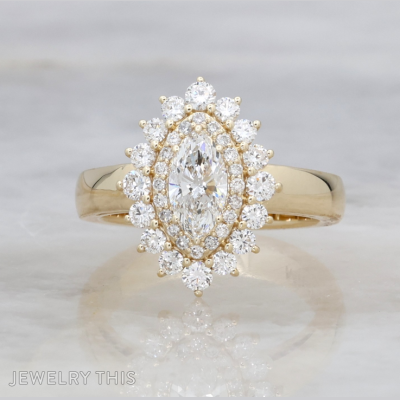
This magnificent yellow gold engagement ring offers breathtaking sparkle and substantial presence. At its heart ...

This 14karat yellow gold wedding band has a distinctive design featuring horizontal bars that are ...



