


Three-Stone Engagement Ring with Green Spinel & Peridot
$
14k yellow gold, natural green spinel, natural peridot
A client chose green spinel for his engagement ring center stone because of a personal connection to studying the stone from Iceland — green has long been his favorite color. He paired it with a matched pair of peridot side stones in a simple three-stone layout, and called the finished design "spectacular" when he saw the first render.
'Yay! It looks spectacular!' — on seeing the first render
Quick specs
Design type
Primary Metal
Shape / Cut
Primary Stone
Accent Stones
Style
Design Complexity
Intent: Certainty
Size
Ring size 7.5 US (17.73mm). Center stone approximately 7mm; side stones 3mm each.
How they made it distinctive
-
01
Green spinel chosen as the center stone for a personal connection to studying the mineral from Iceland, not for size or brilliance
-
02
Peridot side stones selected to complement the spinel's green tone in a soft tonal pairing
-
03
Three-stone layout keeps the design simple and classic rather than elaborate
-
04
Round cut chosen specifically to maximize sourcing options for the less common center stone
-
05
No engraving added, keeping the design focused entirely on the stone arrangement
How you'd make it yours
Stone: this piece uses a natural green spinel; a new commission could use a sapphire, tourmaline, or lab-created spinel for a similar look
Metal: this piece is 14k yellow gold; the same three-stone layout works in white or rose gold, or 18k
Side stones: this piece uses peridot; a new commission could use diamonds, emeralds, or other colored stones for contrast
Stone size: this piece uses a 7mm center stone; a new piece could use a larger or smaller center stone depending on preference
Engraving: a new commission could add an inside-band inscription, though this piece was left unengraved
One of a kind: this exact ring was designed for one client's personal connection to green spinel and is not reproduced — a new commission is an original piece inspired by this one, not a copy
Design changes made
Design matched the initial brief without major changes.
Who this is for
This piece is for someone who wants their engagement ring to reflect a personal interest rather than convention — a specific stone that means something to them, not just a popular choice. It's especially right for someone comfortable with a simple, classic setting that lets an unusual color story do the talking.
How it's made
Once the 3D design was approved, the ring was 3D-printed in wax and attached to a wax tree inside a flask. The flask was placed in a kiln to burn out the wax, leaving a hollow mold, and molten 14k yellow gold was poured into the mold to cast the piece. After cooling, the raw casting was removed and prepared for cleanup, polishing, and stone setting.
After casting, the metal was cleaned and polished to a bright finish before the claw prongs were shaped to receive the stones. The round green spinel center stone was set first, followed by the two round peridot side stones, each secured in its own small prong setting to keep the profile low and the stones aligned along the band.
Key note
The first casting was rejected and re-poured during quality control after an irregularity was found in the metal, so the ring shown is the product of a second casting run.
Pricing guidance
A three-stone engagement ring in 14k yellow gold with a colored center stone and smaller side stones sits toward the lower end of custom engagement ring pricing. Most of the baseline cost comes from the gold setting itself, since colored stones like spinel and peridot are typically less costly than diamonds at comparable sizes. Stone size and metal karat are the biggest levers from there.
Moves price up ↑
- ↑ Upgrading from 14k to 18k gold increases material cost
- ↑ Choosing a larger center stone (8mm+) increases both stone cost and metal needed for prongs
- ↑ Adding a halo or pave accent stones along the band
- ↑ Selecting natural diamond side stones instead of peridot
- ↑ Requesting a custom-cut or color-matched spinel instead of a standard cut
Moves price down ↓
- ↓ Using lab-created spinel or a diamond simulant instead of natural spinel
- ↓ Choosing smaller side stones or fewer accent stones
- ↓ Selecting 10k gold instead of 14k
- ↓ Simplifying the prong setting to a basic 4-prong style
- ↓ Using a more widely available colored stone instead of spinel, which can be harder to source in small matched sizes
Questions people ask
Spinel rates 7.5 to 8 on the Mohs hardness scale, which makes it durable enough for daily wear in a ring, though it is softer than sapphire or diamond. It takes a bright polish and holds color well over time. Natural green spinel in small, uniform sizes can be harder to source than more common stones, so sourcing time may run slightly longer than a diamond center stone. It is a good choice for someone who wants a colored center stone with reasonable daily-wear durability.
Spinel occurs naturally, but a significant portion of the green spinel on the market is lab-created, since natural material in certain shades and sizes is limited. Lab-created spinel has the same chemical composition and appearance as natural spinel, just grown in a controlled setting rather than mined. When sourcing natural spinel, color and size can vary piece to piece since it is not mass-produced like synthetic material. A jeweler can source either natural or lab-created spinel depending on the client's preference and budget.
A three-stone ring in 14k gold with a colored center stone and two smaller accent stones generally falls toward the lower end of custom engagement ring pricing, since colored gemstones are typically less expensive than diamonds of comparable size. Most of the cost comes from the gold setting and labor rather than the stones themselves. Choosing a larger center stone, upgrading the gold karat, or adding diamond accents will move the price up from there. The exact cost depends on stone sourcing difficulty and final stone sizes.
A standard custom engagement ring typically takes about one week for the design phase, where a 3D render is created and approved, followed by three to four weeks of production. Production includes wax printing, casting, cleanup, and stone setting. Occasional delays can occur if a casting needs to be redone during quality control, which can add one to two weeks. Clients are updated at each stage, from design approval through shipping.
Peridot is a yellow-green gemstone that rates 6.5 to 7 on the Mohs hardness scale, making it suitable for ring settings but somewhat more prone to scratching than sapphire or diamond with heavy daily wear. It is the birthstone for August and has a consistent yellow-green color across most natural stones. In this ring, peridot is used as a side stone rather than the center stone, which reduces the amount of direct impact it takes compared to a center position. It pairs well with green center stones for a tonal color effect.
Yes, colored gemstones like spinel, sapphire, and tourmaline are commonly used as engagement ring center stones. The main consideration is hardness and durability for daily wear, which varies by stone type, along with availability in the size and color the client wants. A jeweler can advise on which colored stones hold up well over time and which require more careful wear. Setting style, such as prongs versus a bezel, can also be adjusted to add extra protection for a softer stone.
Yes, a ring like this can be made in 10k, 14k, or 18k gold, and in yellow, white, or rose gold tones depending on preference. Higher karat gold contains more pure gold and is generally more expensive, while lower karat gold is more affordable and slightly more durable due to added alloy metals. The color of the gold does not affect the setting style or stone placement, so the same three-stone layout works across any gold color or karat chosen.
Natural colored gemstones vary somewhat from stone to stone, so a reference photo showing a particularly saturated or unusual shade may not be an exact match to what is available. A jeweler should set expectations early about the typical color range for a given stone and share comparison photos before sourcing. Lighting and photography can also make stones appear more saturated than they are in person. Confirming the expected shade before production begins helps avoid surprises at delivery.
Explore Similar Creations
Every masterpiece starts with a spark. Explore how our clients raw ideas - sketches, heirlooms, inspirations - were transformed into bespoke works of arts.
This engagement ring pairs a large oval moissanite center stone with a deliberately understated band. ...
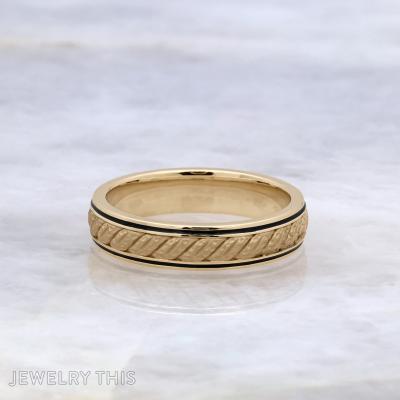
This unique gold ring was inspired by the delicate artistry of uni sushi, transforming a ...
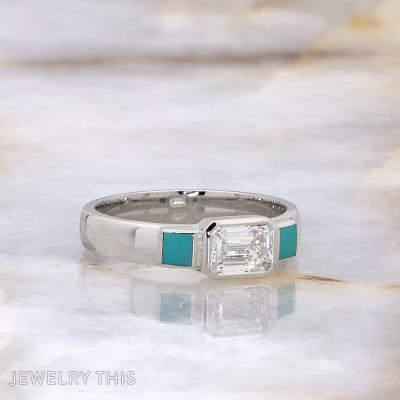
This elegant custom ring beautifully combines a .75 carat emerald cut lab diamond centerpiece with ...

This engagement ring and companion band were designed as a nesting two-ring set in 14k ...
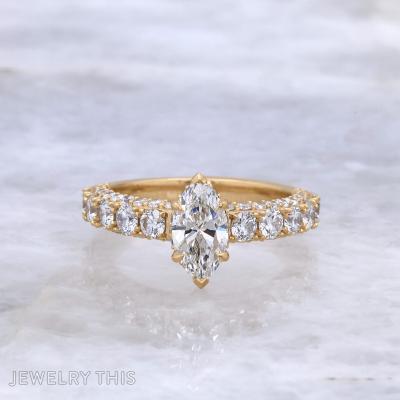
This breathtaking 14K yellow gold engagement ring is a true masterpiece of light and luxury. ...

Elevate your love story with this exquisite custom engagement ring, a testament to timeless beauty ...

Cat said Yes! This stunning 1.50ct round diamond six claw set in 18ct white gold ...

This men’s wedding band is a bold and elegant statement of commitment. Crafted from black ...

This engagement ring replica was designed to stand in for a real diamond ring the ...
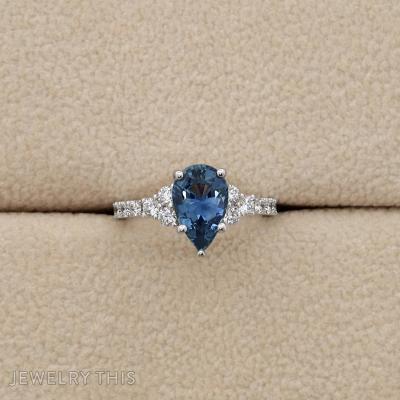
This engagement ring centers a 2.02 carat pear-shaped blue sapphire, chosen for its color over ...
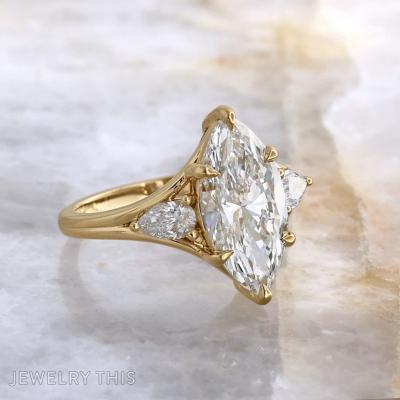
This engagement ring centers a 3.03 carat marquise-cut lab-grown diamond, flanked by two pear-shaped lab ...

Exquisite and timeless, this ring boasts a captivating design featuring two marquise-shaped stones set in ...



