


Claddagh Engagement Ring with Sapphire Heart & Diamond Halo
$$
14k yellow gold, lab sapphire, lab diamonds
K. wanted a second version of her engagement ring — same Claddagh design, same band she already wears, but with a lab grown blue sapphire in place of the original center stone. When the first render came through, she wrote: 'I absolutely love it. You guys are amazing.' The finished ring case her exactly as she asked for — hands cradling a crowned heart set with a heart-shaped sapphire and a diamond halo.
'I absolutely love it. You guys are amazing.' — on seeing the first render
Quick specs
Design type
Primary Metal
Shape / Cut
Primary Stone
Accent Stones
Design Complexity
Intent: Certainty
Size
Ring size 11½ US (20.98mm). Center stone 6x6mm heart shape; 13 round 2mm accent stones.
How they made it distinctive
-
01
Claddagh hand-and-crown motif preserved in full detail to match an existing ring the client already owns
-
02
Heart-shaped lab sapphire chosen as a color alternative to the original center stone
-
03
Diamond halo follows the pointed contour of the heart shape rather than a simple round outline
-
04
Designed specifically to be worn stacked alongside the client's existing band
-
05
Thirteen round diamonds hand-set individually to complete the halo
How you'd make it yours
Center stone: this piece uses a heart-shaped lab sapphire — a new commission could use a different color stone, a natural sapphire, or a diamond
Halo stones: this piece uses round lab diamonds — moissanite or a colored gemstone halo could work in the same design
Metal: this piece is 14k yellow gold — the same Claddagh design language works well in white gold, rose gold, or platinum
Sculptural detail: the hand-and-crown motif is central to the Claddagh design and cannot be simplified without changing what the design is
One of a kind: this exact ring was designed to match one client's existing ring and is not reproduced — a new commission is an original piece inspired by this one, not a copy
Design changes made
Design matched the initial brief without major changes — the render was approved as shown, with the Claddagh hands, crown, and heart-shaped sapphire halo intact.
Who this is for
This piece is for someone who already has a ring design they love and wants a second version in a different stone, rather than starting from scratch with something new. It's especially right if you want to preserve every symbolic detail of an original design — the traditional motifs, the halo, the exact proportions — while introducing a new color or gemstone into the mix.
How it's made
Once the render was approved, the design moved into production with a 3D-printed wax model of the ring. The wax was attached to a tree, invested in plaster, and fired in a kiln to burn away the wax and leave a hollow mold. Molten 14k yellow gold was then cast into that mold, producing the raw Claddagh band with its hand and crown details.
After casting, the piece was cleaned, polished, and refined so the sculpted hands and crown read clearly against the smooth polished band. The heart-shaped lab sapphire was set into its prong mounting at the center, and the thirteen round lab diamonds were set individually around it to form the halo, following the sculpted contour of the heart shape rather than a simple circle.
Key note
The diamond halo follows the pointed contour of the heart-shaped center stone rather than a rounded outline, which requires each prong to be individually angled during setting.
Pricing guidance
A yellow gold Claddagh-style ring with a heart-shaped center stone and a diamond halo sits in the mid range for custom rings of this complexity. Sculpted design elements like the hands and crown add hand-finishing labor beyond a standard halo ring, and the heart-shaped stone and halo require more precise setting work than a round stone. Center stone choice and diamond count are the biggest levers on price from there.
Moves price up ↑
- ↑ Upgrading the center stone from lab sapphire to natural sapphire
- ↑ Increasing the halo diamond count or upgrading to larger stones
- ↑ Adding sculpted detail to both sides of the band rather than just the crown area
- ↑ Using 18k gold instead of 14k
- ↑ Adding engraving inside the band
Moves price down ↓
- ↓ Reducing the halo diamond count
- ↓ Using a round or oval stone shape instead of a heart shape, which simplifies the halo setting
- ↓ Choosing moissanite instead of lab sapphire for the center stone
- ↓ Simplifying the hand-and-crown sculptural detail
- ↓ Using sterling silver instead of gold
Questions people ask
Yes, this is a common request — a client already had an engagement ring and wanted a duplicate version with a different center stone, in this case a heart-shaped lab sapphire instead of the original stone. The design, band style, and proportions are matched as closely as possible to the original ring. Because the second ring is a new build rather than a modification, sizing and fit are confirmed independently. Any decorative details from the original design, like a crown or halo, need to be specified clearly upfront so nothing gets left out during casting.
Lab sapphires have the same chemical composition, hardness, and appearance as natural sapphires — both are corundum with a 9 out of 10 hardness on the Mohs scale, making them very durable for daily wear. The difference is origin: natural sapphires form in the earth over millions of years, while lab sapphires are grown in a controlled lab environment in a matter of weeks. Lab sapphires generally cost significantly less than natural sapphires of comparable size and clarity. Visually, a well-cut lab sapphire and a natural sapphire of the same color grade are indistinguishable to the naked eye.
Sapphire is one of the most durable gemstones available, rated 9 on the Mohs hardness scale, second only to diamond. A heart shape does introduce one vulnerable point — the cleft at the top center of the heart — which is more prone to chipping than a rounded outline if struck directly. A well-designed prong or halo setting, like the diamond halo used here, helps protect that vulnerable point by surrounding it with metal and stones. With normal daily wear, a heart-shaped sapphire in a protective setting holds up well over years of use.
A Claddagh-style ring with sculpted hands and crown detail, a heart-shaped center stone, and a diamond halo typically falls in the mid range for custom ring work. The sculptural hand-and-crown elements add finishing labor beyond a plain band, and the halo setting around a heart shape requires more precise stone-setting than a simple round halo. Stone choice — lab versus natural, and diamond versus moissanite for the halo — is the biggest factor in where the final cost lands within that range.
A standard custom ring typically takes around five to six weeks from design approval to shipping, including sourcing stones, casting, and stone setting. Complex sculptural details, like Claddagh hands and a crown, can add time for hand-finishing after casting. If a design detail is discovered to be missing or needs correction after the piece is cast, the piece is remade and this will extend the total timeline. It's worth confirming every decorative detail clearly during the render approval stage to avoid delays later.
Yes, a halo like this can be set with different stones depending on the look and budget desired. Lab diamonds are a common choice for cost efficiency while keeping the same brilliance and durability as natural diamonds. Moissanite is another popular alternative that offers similar sparkle at a lower cost point. The halo can also be adjusted in stone count or size to change the overall scale of the piece.
Yes, this design was specifically made to be worn alongside an existing ring, which is common when someone wants a second version of a ring in a different stone or style. The band profile and stone height should be considered together so the two rings sit comfortably side by side on the finger. It's worth mentioning any ring you plan to stack it with during the design phase so the proportions are coordinated. A slightly lower profile setting can help two rings sit more comfortably together on the same finger.
Yellow gold is the traditional metal choice for Claddagh designs and complements the warm tone of a sculpted hand-and-crown motif well. White gold or platinum can also be used for a more contemporary look, and would pair well with a blue sapphire center stone for added contrast. Rose gold is another option that offers a warmer, more modern twist on the traditional design. The choice often comes down to matching an existing ring or personal metal preference.
Explore Similar Creations
Every masterpiece starts with a spark. Explore how our clients raw ideas - sketches, heirlooms, inspirations - were transformed into bespoke works of arts.
This engagement ring pairs a 2-carat-class radiant cut lab diamond, set horizontally across a wide ...
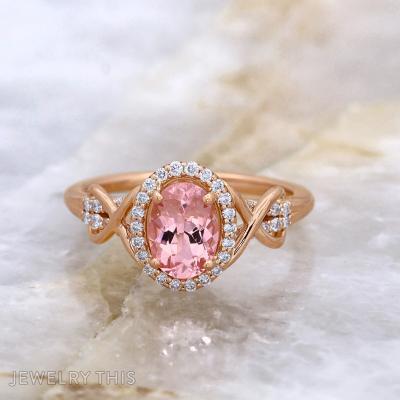
This engagement ring recreates a discontinued design the client’s wife once owned, rebuilt from photographs ...
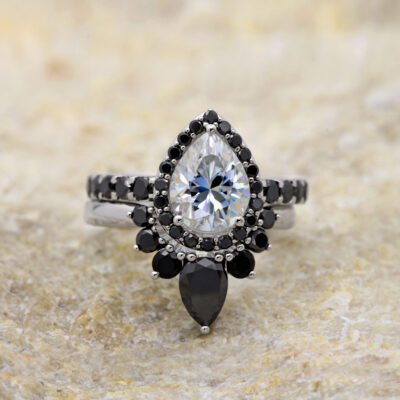
Exquisitely unique, this white gold wedding set weaves a tale of contrast. The engagement ring ...

Embrace the timeless beauty of this custom engagement ring, that features a 6mm cushion-cut amethyst. ...

Inspired by the enchanting tale of The Little Prince, this yellow gold wedding band is ...

This exquisite wedding set consists of three rose gold rings that fit together seamlessly. The ...

This bridal set recreates a wedding ring that had been lost — originally a grandmother’s ...

The rose gold wedding set showcases a harmonious blend of shapes and colors. At the ...
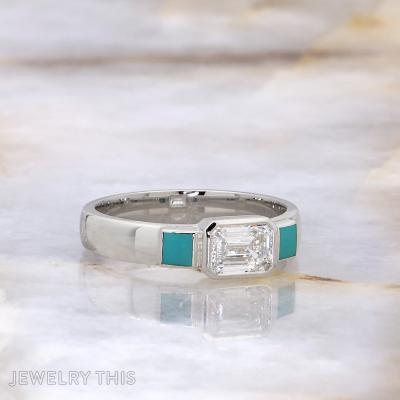
This elegant custom ring beautifully combines a .75 carat emerald cut lab diamond centerpiece with ...
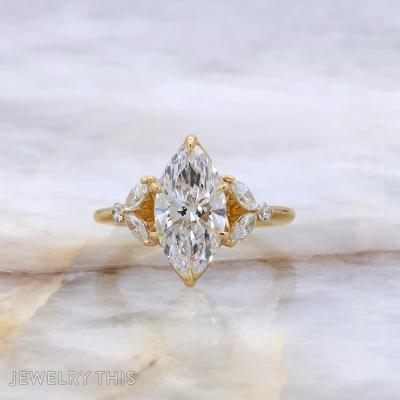
This breathtaking yellow gold engagement ring is a masterclass in asymmetrical, nature-inspired design. At its ...

This Platinum ring is a symbol of life’s vibrant connections. At its heart, a 1 ...

This custom wedding band is a sentimental recreation of the original ring, bringing back cherished ...



