


Family Crest Pendant Trio in Gold-Plated Silver
$$
Sterling silver, gold plating, blue and burgundy enamel, birthstones
A. came to us wanting her family's coat of arms turned into wearable pendants — one each for herself and two family members, with each piece carrying a name, a date, and a birthstone on the back. The design had to balance fidelity to the crest against the real limits of scale: elements too small for enamel were raised in gold instead, and a birthstone intended for the sword handle was moved above the shield once the handle proved too small to set. When the finished pieces arrived, A. wrote: 'I'm very pleased with all 3 pendants. I will send pictures of each of us wearing this one of a kind piece of family history.'
'I'm very pleased with all 3 pendants. I will send pictures of each of us wearing this one of a kind piece of family history.' — on delivery
Quick specs
Design type
Primary Metal
Shape / Cut
Primary Stone
Accent Stones
Design Complexity
Intent: Certainty
Size
Pendant approximately 1 inch (25.4mm) tall; circular crest shape. Three pendants made to this size. Chain style/length not specified.
How they made it distinctive
-
01
Crest adapted from a personal reference image rather than a stock heraldry template
-
02
Leaf and branch element kept raised in gold rather than enamel because the true scale was under 0.2mm
-
03
Birthstone relocated from the sword handle to above the shield once the handle proved too small to set
-
04
Made as a set of three matching pendants, each personalized on the back with its own wearer's name, date, and birthstone
-
05
Recessed enamel frame added around the crossed-swords emblem as a compromise between full color fill and raised-only detail
How you'd make it yours
Metal: this piece is gold-plated sterling silver — a new commission could use solid 14k or 18k gold for the same look without replating
Stone: this piece uses faceted birthstones — a new commission could use lab diamonds or other colored gems instead
Enamel color: this piece uses blue and burgundy enamel — a new commission could use different colors drawn from a different family's crest
Engraving: the back of this piece carries a name, date, and birthstone — a new commission can carry its own personal inscription
Size: this piece is 1 inch tall — a new commission could be made larger to allow more elements to be enamel-filled
One of a kind: this exact set of three pendants was designed for one family and is not reproduced — a new commission is an original piece inspired by this one, not a copy
Design changes made
The leaf/branch element was kept as raised gold rather than enamel after the client learned the branch detail was under 0.2mm and too small to hold color fill; a recessed enamel frame was added around the crossed-swords emblem as a compromise. The birthstone originally requested in the sword handle was relocated to a spot above the shield once that area was confirmed too small to set.
Who this is for
This piece is for someone who wants a tangible link to family history that can actually be worn, not just displayed. It's especially right if you're coordinating matching pieces for multiple family members and want each one to carry its own personal detail within a shared design.
How it's made
Each pendant began as a 3D CAD model built from the client's reference image, refined through a sketch and render review before any metal was committed. Once approved, a wax model was 3D-printed for each piece and attached to a wax tree, which was invested in plaster and fired in a kiln to burn out the wax and leave a hollow mold. Molten sterling silver was then cast into each mold, cooled, and extracted from the tree.
After casting, each pendant was cleaned and polished, then gold-plated to achieve the warm yellow finish. The blue enamel was filled into the recessed shield background and the smaller frame around the crossed swords, while the fleur-de-lis, sword, and leaf elements were left raised in polished gold above the enamel. A single faceted birthstone was set above the shield on each piece, and the reverse of each pendant was engraved with a name, date, and birthstone designation specific to its wearer.
Key note
The leaf and branch detail on the crest measures under 0.2mm wide, which is why it was built as raised gold rather than enamel — color fill at that scale isn't physically reliable.
Pricing guidance
A complex enamel crest pendant with raised metalwork and an accent stone sits in the mid range for pendant work of this detail level. Most of the cost comes from the labor of rendering a multi-element crest at small scale and hand-filling enamel into a recessed shield, rather than from the metal or stone itself. Ordering multiples of the same design brings a per-piece efficiency that a single pendant would not have.
Moves price up ↑
- ↑ Increasing the pendant size to 1.5–2 inches to allow more enamel detail in smaller crest elements
- ↑ Upgrading from gold-plated sterling silver to solid 14k or 18k gold
- ↑ Adding enamel fill to additional small design elements instead of leaving them raised
- ↑ Setting a larger or higher-grade birthstone, or adding stones to all crest elements
- ↑ Ordering a single custom piece rather than multiples of the same design
Moves price down ↓
- ↓ Reducing the pendant to a single piece rather than a set of three
- ↓ Simplifying the crest to fewer raised elements
- ↓ Omitting the back engraving
- ↓ Choosing a smaller overall pendant size
- ↓ Leaving out the birthstone accent entirely
Questions people ask
Yes. A family crest can be rebuilt as a pendant by modeling each element of the crest in 3D and deciding which parts work best as enamel color fill versus raised metal detail. Very fine details, like a thin branch or vine under half a millimeter wide, usually can't hold enamel reliably and are better left raised in the base metal. The process starts with a sketch, moves to a 3D model, and finishes with a photorealistic render for approval before anything is cast.
Enamel is colored fill set into a recessed area of the metal, used here for the blue shield background and a small frame around the crossed-swords emblem. Raised detail is simply the metal itself, polished and left uncolored, used for elements too small or too delicate to hold enamel reliably. Gold plating is a separate step — a thin layer of gold applied over the base metal, in this case sterling silver, to give the warm yellow color. The combination lets a small pendant carry more visual detail than enamel alone could support.
Gold plating is a surface layer over the base metal, and it will gradually wear thinner with regular contact against skin and clothing, particularly at edges and raised areas. Most gold-plated silver pieces hold their color well for one to two years of regular wear before any fading becomes noticeable, and replating is a standard service most jewelers offer. The sterling silver underneath is a solid, durable base that holds detail well even as the plating ages. Choosing solid gold instead avoids replating entirely but comes at a higher cost.
It depends on the size of the specific area being considered. In this pendant, the original plan was to set a tiny stone into a sword handle, but the cross-section there was under 1mm, too small for a stone to be cut and set reliably. The solution was to move the stone to a more open area of the design where it could be sized appropriately without looking out of proportion. This kind of adjustment is common once a 3D model reveals exactly how small certain elements actually are.
A pendant with this level of detail — a multi-element crest, enamel fill, raised metalwork, and a birthstone — sits in the mid range for custom pendant work. The primary cost driver is labor: modeling a crest with several small elements and hand-filling enamel takes more time than a simple pendant shape. Ordering more than one of the same design, as in a family set, typically brings the per-piece cost down compared to a single custom pendant.
The design phase for a piece like this typically takes about a week, covering the sketch, 3D model, and render for approval. Once the design is approved, production usually takes about four weeks, covering wax printing, casting, polishing, enameling, and stone setting. If a design has especially fine detail, as with elements under half a millimeter, additional rounds of review may be needed before the design is finalized.
Yes, the back of a flat pendant like this is a common place for engraving a name, date, or short personal detail specific to the wearer. Each pendant in a set can carry different engraving even when the front design is identical, which is useful for family pieces where each person's piece should be personal to them. Engraving is typically finalized after the front design is approved, since it doesn't affect the casting process. It's worth confirming exact spelling and formatting carefully before production, since corrections after casting are more difficult.
Yes, the same crest design can be produced in solid 14k or 18k gold instead of gold-plated sterling silver. The raised and enamel detailing works the same way regardless of base metal, so the design itself doesn't need to change. The main difference is cost and long-term maintenance, since solid gold doesn't require replating the way a plated piece eventually will.
Explore Similar Creations
Every masterpiece starts with a spark. Explore how our clients raw ideas - sketches, heirlooms, inspirations - were transformed into bespoke works of arts.
This inverted cross pendant was designed to hang from a chain the client already owned, ...

This unique couples pendant is exquisitely crafted in sterling silver with pink and green cubic ...

Radiating elegance, this 1-inch pendant features a gleaming heart motif plated in 14kt yellow gold ...

A sterling silver butterfly pendant with multiple colors of purple in the wings and amethysts ...

This lariat-style pendant pairs an open heart with a smaller pineapple charm that hangs through ...

This rose gold heartfelt pendant symbolizes the personal journey to have a child. Crafted in ...

Show off your Raider Nation pride with this stunning gold-plated silver pendant. The 2-inch pendant ...
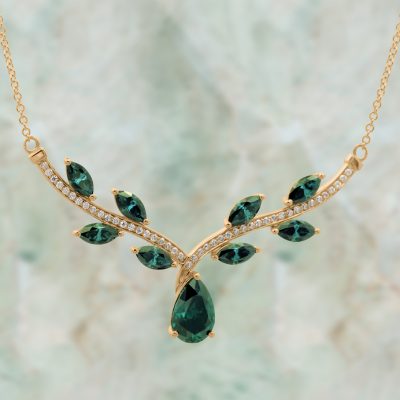
This stunning 14 karat yellow gold pendant features a unique vine-shaped design. At the center ...

This cross pendant reworks a reference design into a slimmer, more elongated silhouette. Instead of ...

10k yellow gold pendant featuring the world globe. Pendant reads “Life Is Good” along the ...

This sterling silver pendant spells out a single word in a bold, custom sans-serif font, ...

This custom pendant features a distinctive panda logo adorned with a crown, meticulously crafted to ...



