
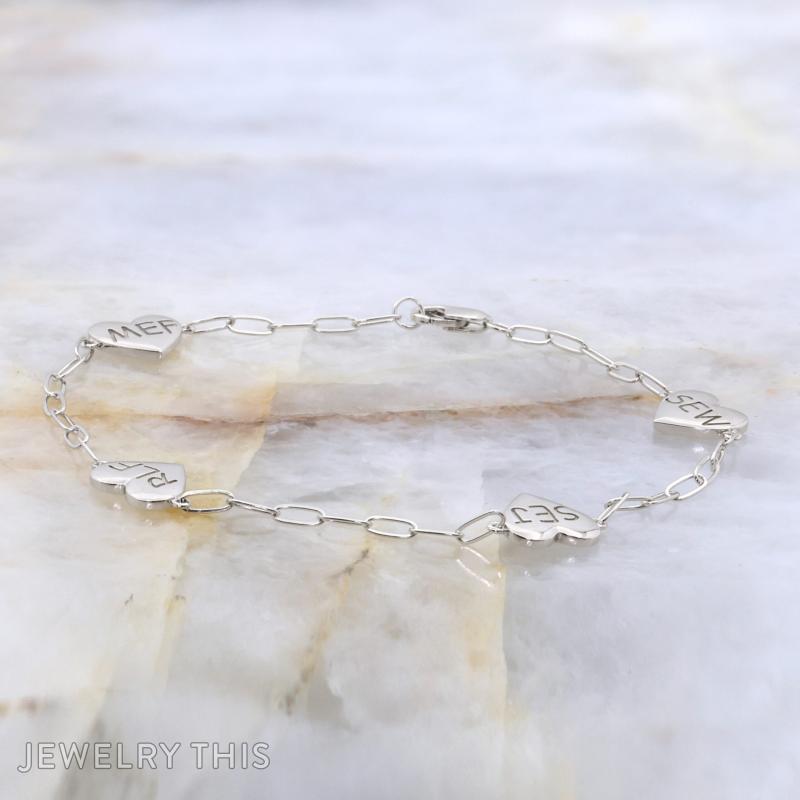
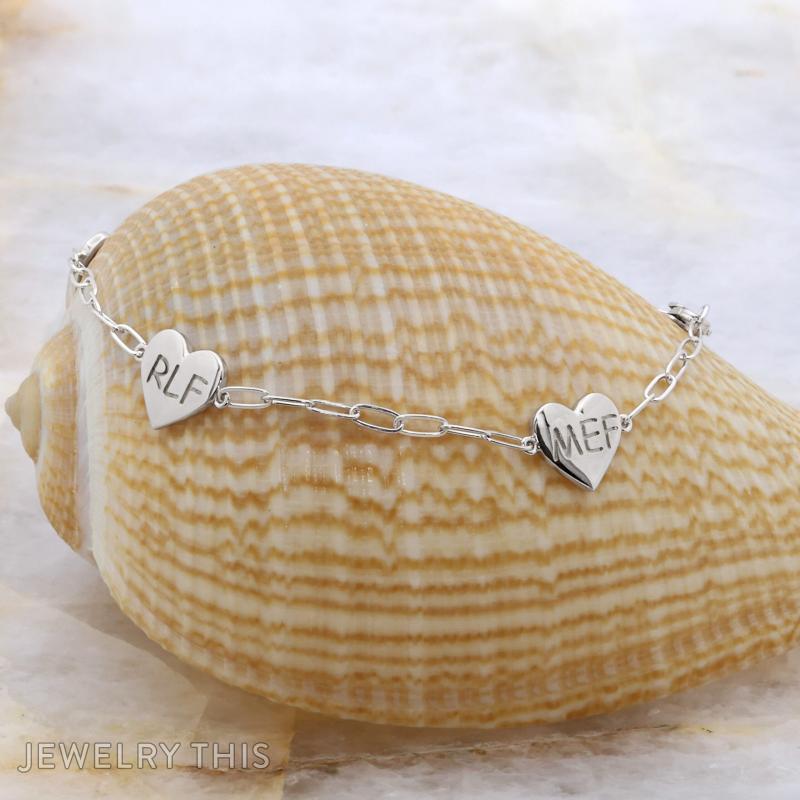
Heart-Link Charm Bracelet in 14k White Gold with Engraved Initials
$$$
14k white gold
A mother wanted matching bracelets for her daughters, each one carrying four engraved hearts standing in for the people who matter most. She worked through font choices, chain spacing, and material trade-offs over several weeks to get something that would hold up to daily wear rather than sit in a box. When the pieces arrived she raised real concerns about the hollow-backed hearts differing from the render, and the conversation that followed was about durability and value rather than the design itself.
Quick specs
Design type
Primary Metal
Primary Stone
Accent Stones
Design Complexity
Intent: Certainty
Size
Bracelet 1: approximately 7.5in total length (wrist 17.2cm/6.8in plus slack). Bracelet 2: approximately 7.5in total length (wrist 16.55cm/6.5in plus slack). Paperclip chain links with four heart stations spaced evenly.
How they made it distinctive
-
01
Hearts are built directly into the chain as structural links rather than hanging charms, so they sit flat and don't swing or tangle during wear
-
02
Script-style engraving chosen after testing several font options for what would cast cleanly at this small scale
-
03
Four hearts represent four family members, arranged in a specific birth-order sequence at the client's request
-
04
Even spacing around the full chain length was confirmed after the render made the hearts look clustered together
-
05
Paperclip-style chain selected specifically for a more substantial, visible link than a delicate cable chain, to better read as symbolic 'bonds'
How you'd make it yours
Heart construction: this piece uses lightly hollowed heart links — a new commission could use fully solid hearts for a heavier, weightier feel
Metal: this piece is 14k white gold — the same design language works in 14k or 18k yellow gold, or rose gold
Stone accents: this piece has no stones — a new commission could add small birthstones on extra chain links
Engraving: the flat heart faces can carry different initials, a word, or a date on a new piece
Chain style: this piece uses a paperclip chain — the same heart-link concept could use a cable or curb chain instead
One of a kind: this exact bracelet was designed for one family and is not reproduced — a new commission is an original piece inspired by this one, not a copy
Design changes made
The hearts were spaced further apart and set to fall evenly around the chain after the client felt the initial 3D render looked too clustered together. The font was also changed from the client's first choice to a castable script alternative after the original was found too delicate for small metal links.
Who this is for
This piece is for someone who wants a bracelet that carries specific people with them, not just a decorative accessory. It's especially right for a parent commissioning matching pieces for their children, or anyone who wants symbolism worn daily rather than saved for occasions — provided they understand and accept the trade-offs of lightweight cast construction versus a heavier, fully solid piece.
How it's made
Once the sketch and script engraving were approved, the design moved into a 3D CAD model showing the paperclip chain and four heart links in place. From that model, a wax pattern was produced and cast in 14k white gold using the lost-wax casting method, which allows the fine chain links and small heart shapes to be produced with consistent, repeatable proportions across both bracelets.
After casting, each piece was cleaned and polished to bring the chain and hearts to a bright finish, and the lettering was engraved into the hearts by hand once the metal was in its final form. The hearts were built with a contoured, lightly hollowed underside rather than a fully solid core, a common construction choice that keeps a chain bracelet comfortable and reduces strain on the links during daily wear. The clasp was finished last and stamped with the 14k hallmark before assembly.
Key note
The 14k hallmark on this style is stamped discreetly on the clasp rather than on the decorative heart links, so it can be easy to miss when checking a piece for its gold marking.
Pricing guidance
A stackable chain bracelet with several small engraved heart links in 14k white gold sits in the mid range for custom bracelet work. Most of the cost comes from the hand-finishing and engraving required on small-scale cast elements, plus the gold content itself. Choosing a solid versus a lightly hollowed heart construction is one of the biggest single swings in price for a design like this.
Moves price up ↑
- ↑ Casting the heart links as fully solid rather than lightly hollowed, which increases gold weight and cost substantially
- ↑ Adding birthstones, which requires extra chain links and stone setting labor
- ↑ Upgrading from 14k to 18k gold
- ↑ Increasing the number of heart links or lengthening the chain
- ↑ Choosing a heavier-gauge chain to support solid heart links
Moves price down ↓
- ↓ Reducing the number of engraved heart links
- ↓ Omitting birthstones from the design
- ↓ Using a lighter-gauge chain where durability allows
- ↓ Choosing sterling silver in a sturdier chain style rather than gold
- ↓ Simplifying the engraving to block lettering rather than script
Questions people ask
Yes. Rather than attaching as separate dangling charms, heart-shaped links can be cast as part of the chain itself, so they sit flush and don't swing or twist during wear. This is done by designing the hearts as their own link units that connect directly into the chain on either side. It creates a cleaner look and tends to hold up better over time since there's no jump ring or connector that can wear out. This approach works well for paperclip, cable, and curb-style chains.
It depends on how the piece is constructed. Many cast heart links, especially in gold, are made with a contoured or lightly hollowed underside rather than being fully solid, which reduces weight and improves how the piece sits and wears on a chain. This is a standard jewelry construction technique, not a sign of lower quality, though it does mean less metal by weight than a fully solid version. If a fully solid heart is important to you, it's worth specifying that up front, since it will increase both the metal cost and the final price.
Legitimate 14k gold jewelry is usually stamped with a small hallmark reading '14K' or '585,' though the stamp is often placed in a discreet spot like the clasp or a connector link rather than on a decorative element. If you can't find a stamp, a jeweler can verify gold content with an acid test or an XRF machine, which is quick and non-damaging. Weight can also be a rough indicator, since gold is notably denser than base metals, but weight alone isn't conclusive without testing. If you have any doubt about a piece's gold content, an independent appraisal is the most reliable way to confirm it.
A bracelet with several small engraved heart links in gold typically falls in the mid range for custom jewelry, largely because of the hand-finishing and engraving work required on small cast elements. The price shifts significantly based on gold karat, whether the decorative elements are solid or lightly hollowed, and whether stones like birthstones are added. Sterling silver versions cost meaningfully less but are generally not recommended for delicate integrated-link designs intended for daily wear. Getting a firm quote usually requires a 3D model, since exact metal weight depends on the finalized design.
Sterling silver can work for many daily-wear pieces, but a delicate integrated-link design with small heart-shaped elements is more prone to bending or breaking in silver than in gold, since silver is a softer metal at comparable thickness. For a piece meant to be worn daily for years, 14k or 18k gold generally holds up better under repeated flexing and contact. If budget is the main concern, a sturdier chain style in silver, rather than the most delicate version of the design, is usually a better trade-off than keeping a fine design in a softer metal. A jeweler can advise on gauge and chain style adjustments to improve durability in silver specifically.
Birthstones can sometimes be added after initial design, but they typically require extra chain links to hold the stone setting, which changes the bracelet's overall length and cost. It's more efficient to decide on birthstones before the 3D model and casting stage, since retrofitting stones into an already-finalized design usually means additional production steps. If budget is tight, it's common to leave birthstones out of a first version and consider adding them later as a separate small project. Setting even a small stone requires its own labor and sourcing time, so it's rarely a trivial add-on once a piece is finished.
After the design is approved, sketch and 3D rendering typically take about a week, followed by three to four weeks of production for casting, finishing, and hand engraving. Custom fonts or engraving styles can add time if the team needs to test how well a chosen font casts at small scale. Rush timing around holidays is possible but should be flagged as early as possible in the process. Multiple matching pieces, like a set for more than one family member, are usually produced together to keep the finish and engraving consistent.
Yes, spacing between decorative elements on a chain is an adjustable design choice, and it's common to ask for elements to be spread evenly around the full length of the bracelet rather than clustered in one section. This is typically confirmed during the 3D rendering stage, since a flat render image doesn't always make total-bracelet spacing obvious. Requesting even spacing around the entire circumference, rather than a specific measured gap, is the simplest way to communicate this to a jeweler. Final spacing adjustments are usually made during production once the full chain length is set.
Explore Similar Creations
Every masterpiece starts with a spark. Explore how our clients raw ideas - sketches, heirlooms, inspirations - were transformed into bespoke works of arts.
This custom bracelet and necklace set is beautifully crafted with a personalized wedding monogram. The ...
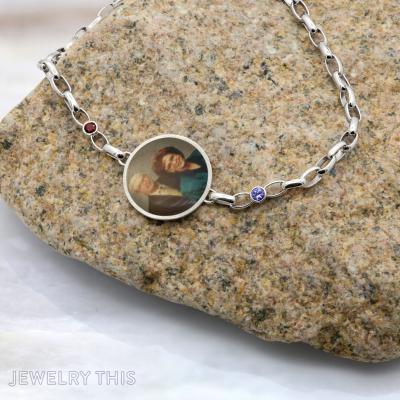
This beautiful custom silver bracelet honors the cherished memory of a beloved mother and father. ...

This cuff bracelet was designed as a companion piece to a ring the client already ...

This sterling silver cuff bracelet is a captivating symbol of faith and love. At its ...

This uniqe bracelet is the perfect way to commemorate a championship. The stunning sterling silver ...

Celebrate an everlasting bond with this exquisite custom bracelet, a heartfelt tribute to a cherished ...
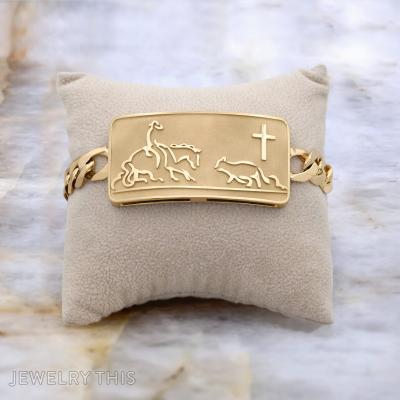
This bracelet centers on a large rectangular ID plate cast in solid 14k yellow gold, ...
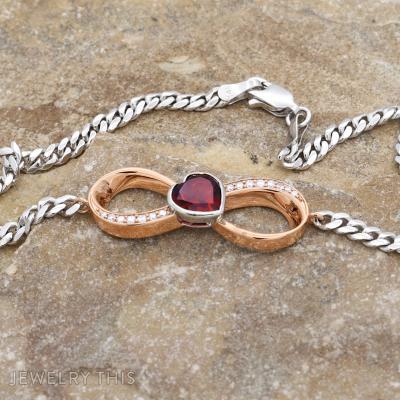
This bracelet centers on a heart-shaped garnet set in white gold, held within a sideways ...
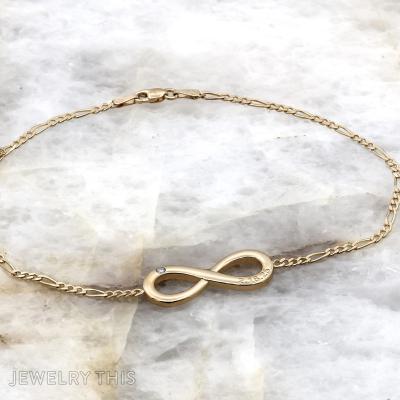
This exquisite bracelet is a timeless symbol of eternal love and connection, crafted to celebrate ...

We recreated this chain bracelet with interesting links and includes a toggle clasp. It is ...

Step into luxury with our custom-designed bangle bracelet, a masterpiece crafted with vintage detailing. Fashioned ...

This sterling silver link bracelet is a bespoke creation commemorating the union of two souls. ...



