

Southern Cross Pendant — Recreated in Yellow Gold
$
Gold-plated sterling silver
A client wanted to recreate a Southern Cross pendant she'd seen someone else wearing — a design original to the 1960s, rebuilt from a single photo and her own memory of its scale and detail. She asked for it ahead of a three-month trip to Africa, wanting the symbol with her while traveling through the southern hemisphere. When it arrived, she wrote: 'I have it and it is GORGEOUS!!! Exactly what I wanted!'
'Love it! Thank you!' — on seeing the first render
'I have it and it is GORGEOUS!!! Exactly what I wanted! Thank you so so much!' — on delivery
Quick specs
Design type
Primary Metal
Primary Stone
Accent Stones
Design Complexity
Intent: Certainty
Size
Pendant approximately 2–2.5 inches long; circular top element approximately 18mm (nickel-sized) diameter.
How they made it distinctive
-
01
Recreated from a single photo and personal description of a pendant originally made in the 1960s, with no physical original to reference
-
02
Open circular top element sized specifically to match the client's memory of a nickel-sized detail
-
03
Pointed, spike-like cross arms rather than a smooth traditional cross shape, matching the original design's distinct silhouette
-
04
Sized at 2 to 2.5 inches to read as a visible statement piece rather than a delicate accent
-
05
Approved on the first render with no revisions, a sign the recreation matched the client's memory closely
How you'd make it yours
Stone: this piece has no stone; a new commission could add accent stones set into the circular top or along the arms
Metal: this piece is gold-plated sterling silver; the same design works in solid 14k or 18k gold for a longer-lasting finish
Size: this piece is 2–2.5 inches; a new commission is sized to the wearer's own preference
Dimensionality: this piece uses flat cut-out detailing; a new commission could use raised, sculptural elements instead
Engraving: the back of a new pendant can carry a short inscription
One of a kind: this exact pendant was recreated for one client from her own memory and reference photo, and is not reproduced — a new commission is an original piece inspired by it
Design changes made
Design matched the initial brief without major changes.
Who this is for
This piece is for someone who has seen a specific design somewhere else and wants that exact symbol rebuilt, not a generic version of it. It suits someone who ties a piece of jewelry to a specific place or chapter in their life, like wearing a meaningful symbol while traveling to a place connected to it.
How it's made
Once the client approved the photorealistic render, the design team printed a wax model of the pendant using a 3D printer. That wax model was attached to a tree and invested in plaster, which was then fired in a kiln to burn out the wax and leave a hollow mold. Molten 14k yellow gold-plated sterling silver was cast into the mold under pressure, producing the raw pendant, which was shared with the client as a resin photo before the final cast.
After casting, the piece was cleaned to remove investment residue from the mold, then polished to bring up the finish across the open circular element, the tapered spike-like arms, and the central diamond intersection. Because the design uses cut-out and openwork sections rather than a solid plate, extra care was taken polishing the inner edges of the circle and the narrow points at each arm tip before the gold plating was applied as the final step.
Key note
The pendant's open circular top and narrow tapered arm tips required hand-finishing before plating, since cut-out sections are harder to polish evenly than a solid surface.
Pricing guidance
A mid-sized gold-plated silver pendant with cut-out detailing like this sits toward the lower end of the custom pendant range. Most of the cost comes from the 3D modeling needed to recreate a specific design from a photo reference, plus the casting and finishing of the openwork sections. Chain, plating thickness, and overall size are the main variables that shift the price from there.
Moves price up ↑
- ↑ Upgrading from gold-plated silver to solid 14k or 18k gold
- ↑ Increasing the pendant size beyond 2.5 inches, which uses more metal and more finishing time
- ↑ Adding stones set into the open circular element or along the cross arms
- ↑ Choosing a thicker or higher-karat gold chain instead of a standard plated option
- ↑ Adding engraving to the back of the pendant
Moves price down ↓
- ↓ Reducing the pendant size to under 1.5 inches
- ↓ Keeping the design as a flat cut-out rather than adding dimensional detail
- ↓ Choosing a thinner plating layer
- ↓ Sourcing a basic chain rather than a statement link style
- ↓ Simplifying the openwork detailing to fewer cut sections
Questions people ask
Gold plating is a thin layer of gold applied over a base metal, in this case sterling silver, and it is not permanent. With regular wear, plating typically holds up well for one to two years before noticeable fading begins, especially in areas that rub against skin or clothing. Scuffs and scratches can appear sooner than expected, particularly in the first few weeks of wear, since the plated surface is softer than solid gold. Re-plating is a standard service most jewelers can perform when the finish starts to wear.
Yes, a single clear photo combined with a detailed description of size and proportions is often enough to build an accurate 3D recreation. The design team builds a digital model and produces a photorealistic render for approval before anything is cast, so adjustments can be made before production starts. Minor differences in metal luster and color between the render and the finished piece are normal and expected. The more specific the description of scale and detail, the closer the recreation will match memory.
A pendant of this size and openwork complexity sits toward the lower end of the custom pendant price range. The bulk of the cost is in the 3D design work and the finishing required for cut-out details, rather than the plating itself. Choosing solid gold instead of plated silver, adding stones, or increasing the size are the factors that would push the price meaningfully higher.
Cut-out, openwork designs like this one are generally sturdy for daily wear but have thinner cross-sections at the narrow points than a solid pendant would, so they can be more prone to bending if caught or pulled. The tapered arm tips on a cross-style pendant are a typical thin point to be mindful of. Avoiding activities that could snag the open sections will help the piece hold its shape over time. A jeweler can usually reshape minor bends if they do occur.
A typical timeline runs about one week for the design and render phase, followed by three to four weeks for production once the design is approved. Production includes 3D-printing a wax model, casting it in metal, and then cleaning, polishing, and plating the final piece. Rush requests can sometimes be accommodated depending on the production schedule, though it is not guaranteed. Shipping typically adds another one to two days once the piece is complete.
Yes, the pendant and chain are generally treated as separate decisions, and you can supply your own chain if you already have one you prefer. The bail on the pendant is sized to accommodate a standard chain, so most off-the-shelf chains will fit without modification. This also means the total cost can be adjusted by skipping the offered chain option. It is worth confirming the bail opening size if you plan to use an unusually thick chain.
Solid gold is gold throughout the piece, while gold-plated silver has a sterling silver base with a thin gold layer applied over the surface. Plated pieces cost significantly less upfront but will show wear over time as the plating thins, especially at high-contact points. Solid gold costs more but does not fade or require re-plating. The choice typically comes down to budget and how long-term the piece needs to look brand new.
Yes, a flat cut-out design like this can be adapted into a more dimensional, three-dimensional version with raised or sculpted elements instead of flat cut sections. This generally adds to the modeling and casting complexity and increases the finishing time, since more surfaces need polishing. It also typically adds weight to the piece. The flat cut-out version shown here is a simpler and lighter alternative to a fully sculptural approach.
Explore Similar Creations
Every masterpiece starts with a spark. Explore how our clients raw ideas - sketches, heirlooms, inspirations - were transformed into bespoke works of arts.
This stunning custom pendant showcases a intricately designed rotary tattoo machine, skillfully crafted in sterling ...

This striking pendant is a unique and personalized logo. Measuring 19mm, it features the letters ...

This stunning custom-made wolf pendant captures the wild spirit with an elegant touch. Crafted from ...
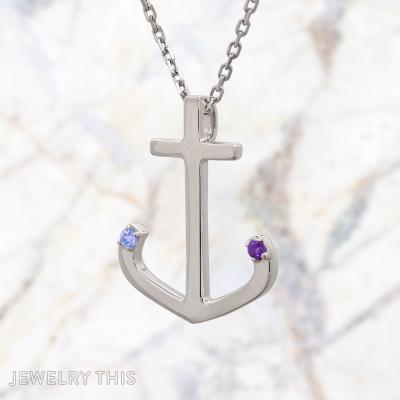
This pendant is a meaningful and symbolic wedding gift. Shaped as an anchor, it represents ...

This pendant, inspired by a logo originally found on a hat, is a striking and ...

14k yellow gold pendant featuring name in cutout design. Pendant: .75inches in size. Pendant hangs ...

Fans of the movie Saw will quickly notice this 3D silver pendant inspired by the ...

This exquisite multicolored pendant is a masterpiece of elegance. Crafted in yellow gold, the circular ...

Discover profound symbolism in this 1-inch white gold pendant. At the base, an open half-circle ...

Crafted with meticulous attention to detail, this custom initial pendant exudes elegance and sophistication. Made ...

Celebrate the uniqueness of love with our 1-inch silver round pendant, a special gift from ...

Circular sterling silver pendant featuring Chinese symbol for the word choice. Pendant: .50inches. Hangs on ...



