Platinum Orthodox Crucifix Pendant for a Son to Grow Into
$$$$$
Platinum
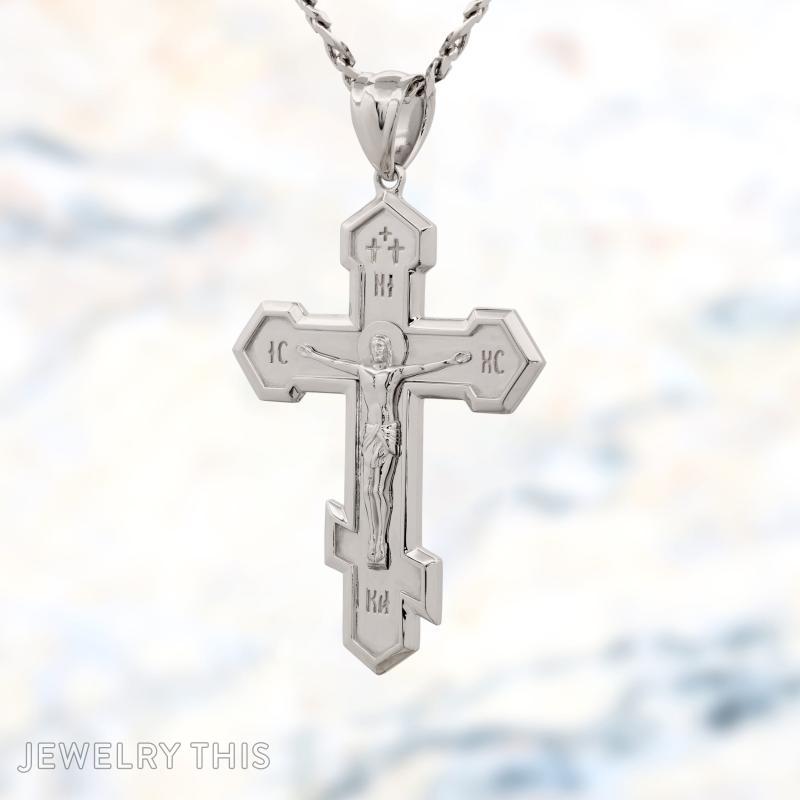
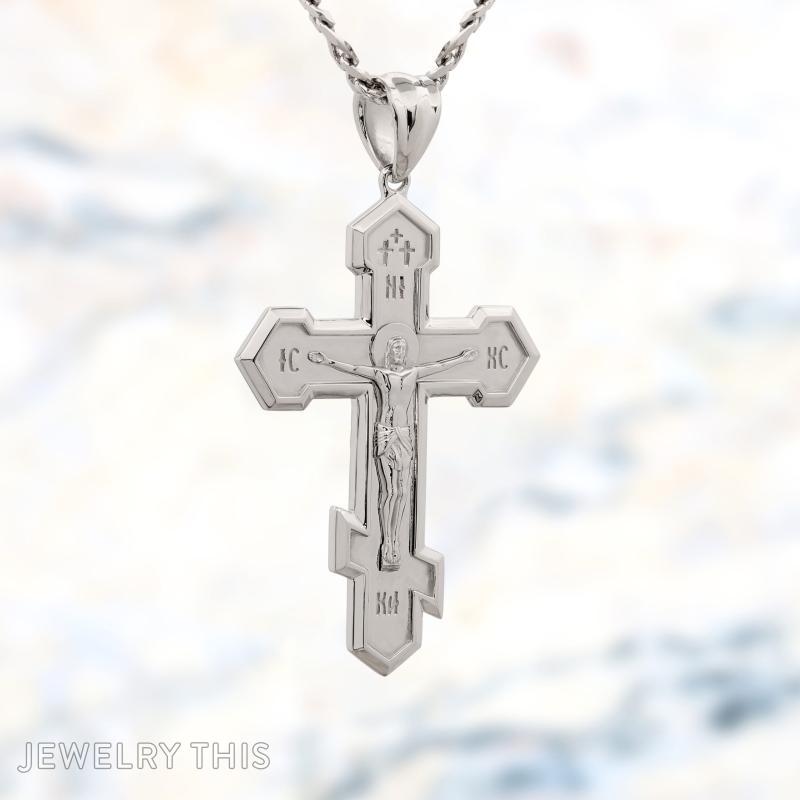
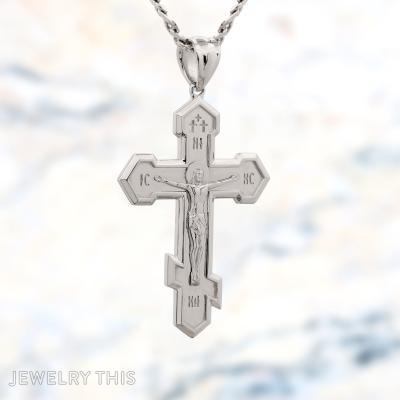
A father came to us wanting a cross for his first-born son to wear one day — chosen in platinum specifically so it would last. He wanted something in between Greek and Russian Orthodox styles, and asked that the crucifix figure be modeled closely after a cross he wears himself, rather than the fully sculptural figure first sketched. When the final render was ready, he called it phenomenal.
'Looks great so far.' — on seeing the first rough sketch
'Looks phenomenal.' — on seeing the 3D render
Quick specs
How they made it distinctive
-
01
Crucifix figure modeled after a cross the client already owns and wears, rather than a generic sculptural rendering
-
02
Blended Greek and Russian Orthodox silhouette elements combined into one custom three-bar cross design
-
03
Sized at 2 inches specifically so the piece can be grown into over time rather than fitting only a smaller frame now
-
04
Platinum chosen specifically for long-term durability given the intent for daily wear
-
05
Deliberately left free of gemstones and engraving to keep a traditional, masculine design language
-
06
Matching platinum figaro chain sourced heavy enough to support the pendant's weight
How you'd make it yours
Metal: this piece is platinum; the same silhouette works well in 14k or 18k yellow gold at a different cost point
Size: this piece is 2 inches; a new commission could be made smaller, such as 1.5 inches
Crucifix detail: this piece uses a specific referenced crucifix figure; a new piece could use a more sculptural or more simplified figure
Stones or engraving: this piece was left plain by design; a new commission could add a birthstone or engraved detail
Chain: this piece pairs with an 18in 3.2mm figaro chain; a new piece could use a curb chain or a different length
One of a kind: this exact pendant was designed for one client's son and is not reproduced — a new commission is an original piece inspired by this one, not a copy
Design changes made
The crucifix figure was changed mid-design from a more sculptural, realistic depiction to one modeled closely on a cross the client already wears, after he asked for that specific reference to be used instead of the original sketch concept.
Who this is for
This piece is for someone who wants a religious pendant built to last decades, not just look good today. It's especially right if you're choosing a piece for someone to grow into, or if a specific existing cross has personal meaning you want carried into a new design rather than a generic replacement.
How it's made
Once the design was approved, the piece moved to a 3D-printed wax model, attached to a wax tree and set inside a flask. The flask was placed in a kiln to burn out the wax, leaving a hollow mold, and molten platinum was poured into that mold under heat suited to platinum's higher melting point. After cooling, the raw pendant was broken out of the mold for cleanup.
The cast pendant was then cleaned, polished, and finished across its raised and beveled surfaces — the raised crucifix figure and lettering were finished separately from the flat beveled panels to preserve the contrast between the raised iconography and the surrounding surface. No stones were set, since the design was deliberately left plain. A separately sourced 3.2mm platinum figaro chain, chosen heavy enough to support the pendant's weight, was matched to the piece before shipping.
Key note
Platinum requires a higher casting temperature than gold, which is why the chain and pendant metal had to be matched and sourced together rather than treated as an afterthought.
Pricing guidance
A large-format platinum religious pendant with sculptural relief detailing sits at the high end for custom pendant work. Platinum's density and casting requirements, combined with a two-inch dimensional design and a substantial matching chain, are the main reasons this piece sits where it does. Size and metal choice move the price more than any other variable here.
Moves price up ↑
- ↑ Choosing platinum over gold given platinum's higher raw material cost and casting demands
- ↑ Increasing pendant size from 1.5in to 2in, which adds significant metal weight
- ↑ Adding a thicker or longer matching chain to support the pendant
- ↑ Adding gemstones or engraving that were deliberately left off this design
- ↑ Increasing the level of sculptural relief detail in the crucifix figure
Moves price down ↓
- ↓ Choosing 14k gold instead of platinum for a lower material cost
- ↓ Reducing the pendant to a smaller size such as 1.5in
- ↓ Selecting a lighter-gauge, thinner chain instead of a heavy figaro
- ↓ Simplifying the design to a flatter, less dimensional cross silhouette
- ↓ Sourcing a shorter chain length
Questions people ask
Platinum is denser and more durable than gold, and it doesn't need rhodium plating or refinishing over time the way white gold does. It also has a higher melting point, which makes casting more demanding and typically pushes the cost higher than a comparable gold piece. For a large pendant meant to be worn for decades, platinum's resistance to wear is a meaningful advantage. Gold, especially 14k, is a lower-cost alternative that still holds up well to daily wear.
Platinum is one of the most durable precious metals used in fine jewelry, resistant to tarnishing and general wear over decades. It develops a soft patina with use rather than losing its structure, and many wearers find this patina appealing rather than a flaw. A pendant this size, cast solid in platinum, is built to handle daily wear without structural concerns. Regular polishing can restore the original shine if a brighter finish is preferred later.
Yes, blending design elements from different Orthodox traditions is achievable in a custom piece, since both traditions share core iconography like the crucifix figure and inscribed lettering. A designer can combine the stepped, multi-bar silhouette common in Russian Orthodox crosses with proportions or detailing more associated with Greek Orthodox pieces. The key is working through a sketch and 3D render phase so the client can confirm the blend reads correctly before casting. This kind of combination is a design choice, not a departure from either tradition.
A two-inch platinum pendant with this level of sculptural detail sits at the high end of custom pendant pricing, largely due to platinum's material cost and the labor involved in casting and finishing a piece this size. Pricing also varies significantly between a 1.5-inch and 2-inch version of the same design, since the larger size requires substantially more metal. Chain cost is typically calculated separately from the pendant itself. Choosing gold instead of platinum is the single biggest way to bring the cost down while keeping the same design.
The design phase, from sketch to an approved 3D render, typically takes about a week, though it can extend if changes are requested along the way. Production after design approval generally takes three to four weeks, covering wax modeling, casting, and finishing. A piece with a sourced chain may take slightly longer if the chain needs to be matched and ordered separately. Total turnaround from deposit to shipping is usually in the range of a standard multi-week custom order.
On a piece like this, engraving or a small stone accent could potentially be added afterward, but it depends on where on the pendant the addition is placed and whether it disrupts the existing finish or relief detailing. It's generally easier to build these elements into the original design and casting than to add them after the piece is finished. If you know you might want an engraving down the road, mentioning it during the design phase gives more flexibility. This particular pendant was intentionally left without stones or engraving by client preference.
A figaro chain's alternating link pattern gives it more structural strength per millimeter than some decorative chain styles, which matters when the chain needs to support a substantial pendant. A 3.2mm platinum figaro is a solid mid-weight choice for a two-inch solid pendant, sturdy without being disproportionately bulky. Chain width and length both affect how well a chain distributes the pendant's weight across the neck. Matching chain and pendant metal also avoids any color or wear-rate mismatch over time.
Yes, plain metal religious pendants without gemstones are a common and traditional choice, especially for Orthodox-style crosses where the relief detailing and inscribed lettering carry the visual weight instead of stones. Leaving a piece stone-free also reduces cost and avoids any concern about a stone loosening or needing maintenance over decades of wear. It's a deliberate design decision rather than a simplified or incomplete one. The raised crucifix figure and stepped silhouette are the focal points on this design instead.
Explore Similar Creations
Every masterpiece starts with a spark. Explore how our clients raw ideas - sketches, heirlooms, inspirations - were transformed into bespoke works of arts.
This timeless gold plated silver pendant features a spherical oval shape with a perfectly finished ...

This pendant inspired by the traditional Hawaiian Palaoa necklace. Crafted with meticulous attention to detail, ...

Celebrate your pet with our 0.75-inch pendant, an elegant portrayal of a dog in a ...

Designed as a retirement gift for a valued employee, the pendant features a unique cut-out ...

This custom pendant boasts a distinctive design, featuring an upside-down horseshoe cutout with the monogram ...
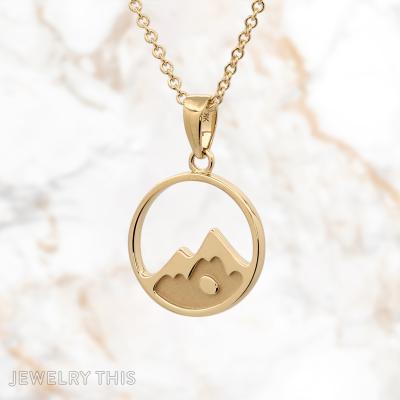
This pendant frames a mountain range and rising sun within an open gold circle, cast ...
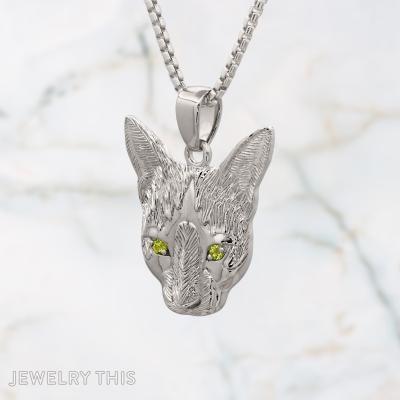
This exquisite custom pendant beautifully captures the unique features a cherished cat, immortalizing his memory ...

Celebrate your courage and strength with this matching lion logo pendant and lapel pin set. ...

This custom Nigeria Map pendant is a testament to heritage and identity. Solid and substantial, ...

This 14k yellow gold pendant necklace was rebuilt from faded photographs and a hand-drawn sketch ...

Club logo pendant with dimensional text. This pendant is 2 inches in size and was ...
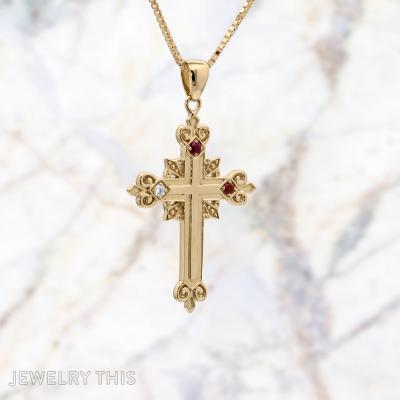
This 14k yellow gold cross pendant was designed to carry three birthstones: one for each ...