

Mountain Silhouette Pendant in Sterling Silver
$
Sterling silver
A client sent in a photo of a mountain scene and asked for it translated into a silver pendant he could wear on his own chain. During the design phase he refined the silhouette twice — removing excess metal below the tree line and rotating the side jump rings — until the shape matched exactly what he had in mind.
Quick specs
Design type
Primary Metal
Primary Stone
Accent Stones
Design Complexity
Intent: Certainty
Size
Pendant approximately 2in x 1.125in; jump rings at both ends rotated 90 degrees from original orientation.
How they made it distinctive
-
01
Silhouette cut directly from the client's own photograph rather than a generic mountain motif
-
02
Negative-space notch through the central peak, refined after the client reviewed the first render
-
03
Jump rings positioned at both corners instead of a single bail, designed to connect directly into the client's existing chain
-
04
Lower silhouette section removed after client feedback, leaving only the jagged peak line for a cleaner look
-
05
Jump rings rotated 90 degrees at the client's request so the pendant hangs correctly on the chain
How you'd make it yours
Metal: this piece is sterling silver; the same silhouette design works in 14k or 18k white gold for a brighter finish
Size: this piece is approximately 2 inches long; a new commission is sized to the wearer's preference
Silhouette source: this piece was cut from a client's own photo; a new piece can be based on any landscape image provided
Attachment style: this piece uses dual jump rings for an existing chain; a new piece could use a single bail with a new chain
Detail level: this piece has a simple jagged cutout; a new commission could add engraved texture or small stone accents
Design changes made
The metal below the tree silhouette was removed after the first render, leaving only the jagged peak outline, and the side jump rings were rotated 90 degrees per the client's request so the chain would sit correctly.
Who this is for
This piece is for someone who has a specific place in mind — a view, a ridgeline, a scene from a photo — and wants to wear it rather than just remember it. It suits someone who prefers a clean, graphic design over anything ornate, and who already has a chain they want to keep using.
How it's made
Once the design was finalized, the pendant was 3D printed in wax and attached to a wax tree inside a flask. The flask was placed in a kiln to burn out the wax, leaving a hollow mold in its place. Molten sterling silver was then poured into that mold, and once cooled, the raw pendant was broken free from the casting tree for finishing.
After casting, the pendant was cleaned up to remove any rough edges left from the mold, particularly along the jagged cut-out silhouette and the narrow negative-space notch through the central peak. The piece was then polished to a bright finish, and the two side jump rings were set and aligned so the pendant would hang level once connected to the client's own chain.
Key note
The pendant's negative-space cutout through the central peak required the mold to hold a thin unsupported channel of silver, which is why that detail was refined specifically after the first wax render review.
Pricing guidance
A cut-out silhouette pendant of this size and complexity in sterling silver sits toward the lower end of custom pendant pricing. Most of the cost comes from the 3D design work needed to translate a photo into a clean wearable silhouette, plus the labor to finish the cut-out edges smoothly. Metal choice is the single biggest lever on price from there.
Moves price up ↑
- ↑ Upgrading from sterling silver to 14k or 18k white gold
- ↑ Adding stones along the ridgeline or peaks
- ↑ Increasing the pendant size beyond 2 inches, which increases metal weight and finishing time
- ↑ Adding fine detail lines or engraving to represent additional landscape elements
- ↑ Requesting a two-tone metal treatment to separate foreground and background elements
Moves price down ↓
- ↓ Simplifying the silhouette to fewer peaks or less intricate cutout detail
- ↓ Reducing the pendant to a smaller overall size
- ↓ Choosing a solid design without any negative-space cutouts
- ↓ Omitting the jump rings in favor of a single fixed bail
- ↓ Keeping the piece in sterling silver rather than upgrading metal
Questions people ask
Yes, a client's own photograph can be used as the direct reference for a cut-out silhouette pendant like this one. The design team translates the photo into a 3D model that captures the key lines and shapes, which the client can then review and adjust before anything is cast. This piece went through two rounds of silhouette refinement before the final shape was approved. The result is a wearable interpretation of a specific scene rather than a generic mountain charm.
Sterling silver is a solid choice for a cut-out design because it holds a crisp edge well during casting and finishing. It's softer than platinum or gold, so thin unsupported sections like negative-space cutouts need to be planned carefully to avoid bending, but a cleanly finished silver pendant will hold up fine under normal daily wear. It will tarnish slightly over time with air exposure, which is typical of all sterling silver and is reversible with basic polishing. For most everyday wear, silver is a practical and lower-maintenance option.
A sterling silver cut-out pendant of this size and complexity sits toward the lower end of custom pendant pricing, since there's no stone setting involved and the primary cost driver is design and finishing labor. Upgrading the metal to gold is the factor that moves the price the most. Size and the amount of fine cut-out detail also affect cost, since more intricate cutouts take longer to clean up after casting.
The design phase for a photo-based silhouette pendant typically takes about a week, during which the client reviews a render and can request changes before anything is cast. Once the design is approved, production — casting, cleanup, and polishing — generally takes two to three additional weeks. This piece went through a couple of rounds of design revisions before moving to production, which is normal for a custom silhouette design.
Yes, a pendant can be designed with jump rings positioned specifically to connect to an existing chain rather than requiring a new one. It helps to share a photo of the chain next to a coin or ruler so the designer can size the jump rings correctly for a secure, proportional fit. This approach also lets the jump rings sit at two points rather than a single bail, which works well for horizontal pendant designs like a landscape silhouette.
Yes, this is a normal part of the design process. In this project, the client requested removing the solid metal beneath the tree silhouette and rotating the side jump rings after seeing the first render, and both changes were made before moving to production. Reviewing a 3D render before casting is the key opportunity to catch and adjust details like this. Once a design is approved and cast, further changes typically require remaking the piece.
Yes, stones can be incorporated into a landscape-style pendant, for example as small accents along a peak or horizon line, though this particular pendant was kept stone-free to let the silhouette stand on its own. Adding stones increases both the cost and the production complexity, since each stone needs to be set by hand after casting. Clients who want a more minimal, graphic look often choose to skip stones entirely, as was done here.
Explore Similar Creations
Every masterpiece starts with a spark. Explore how our clients raw ideas - sketches, heirlooms, inspirations - were transformed into bespoke works of arts.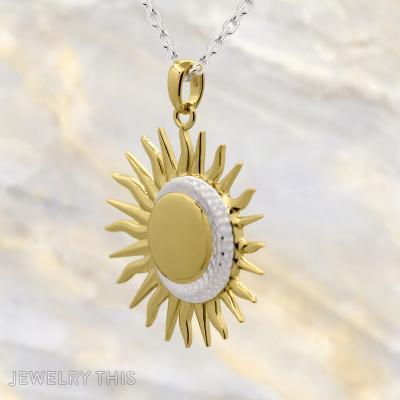
Celebrate celestial beauty with this 1.25-inch necklace, harmonizing a hammered silver moon and a radiant ...
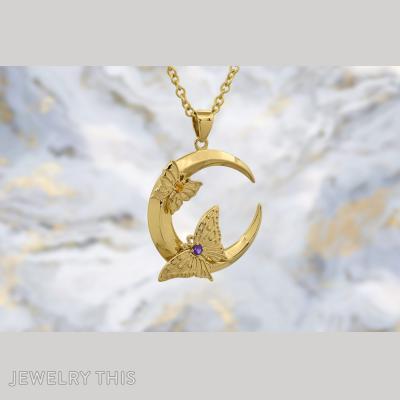
This exquisite pendant beautifully captures the essence of youthful femininity and strength, designed as a ...

Fashioned from 14k yellow gold plated sterling silver, this one-inch medallion holds a wealth of ...

This large sterling silver pendant reproduces the Great Seal eagle — shield, banner, olive branch, ...
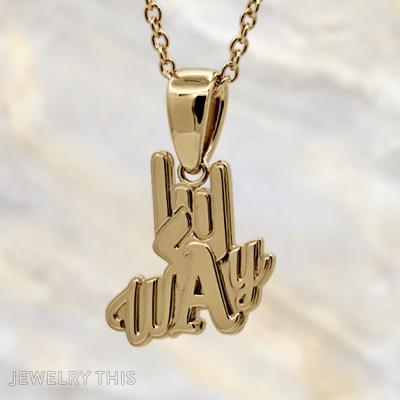
Celebrate the essence of duality with this one-inch custom pendant, a wearable embodiment of the ...

This custom pendant, a miniature mathematical compass, is a tribute to a cherished poem that ...

This pendant depicts a small winged fairy figure rendered in polished 14k white gold, holding ...

Embrace the power of faith and serenity with this exquisite custom pendant. Crafted in 10K ...
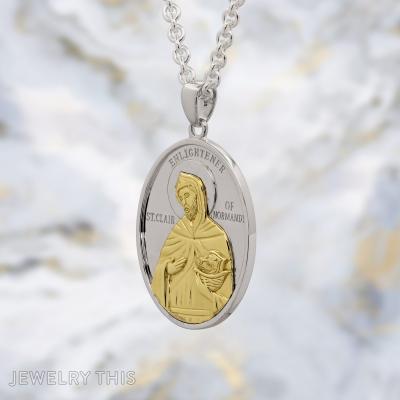
This pendant is a devotional tribute to St. Clair of Normandy, honored in the Orthodox ...

Presenting a 2-inch round Serenity Emblem pendant, meticulously crafted from silver and accentuated with stunning ...

This pendant combines two enduring Irish symbols — the Claddagh (hands, crown, and heart) and ...
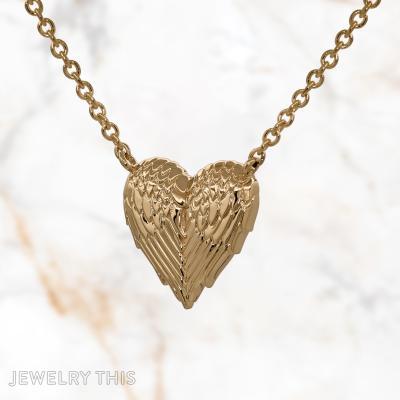
This pendant reshapes the classic angel-wing motif into a heart, with two detailed feathered wings ...



