

Fairy Pendant in White Gold with Diamond Accent
$$$
14k white gold, natural diamond
A father wanted a fairy pendant made for his daughter's birthday, working from a reference photo and a firm deadline. After the first render, he asked for the fairy's face and skirt angle to be adjusted — small tweaks that made a real difference to how the piece read. When it arrived in time for the birthday, he said it was a nice pendant his daughter would like.
'Hi Carrie, this is lovely, looks great!' — on seeing the revised render
'it's a nice pendant and I know my daughter will like it. Thank you!' — on delivery
Quick specs
Design type
Primary Metal
Shape / Cut
Primary Stone
Accent Stones
Design Complexity
Intent: Certainty
Size
Pendant approximately 0.75in (19mm) tall. Client's own chain: 2mm width, 20in length, 5mm clasp ring.
How they made it distinctive
-
01
Bezel-set diamond in the fairy's outstretched hand — protects a small exposed stone better than prongs would
-
02
Open cut-out wing detail that lets light pass through, distinct from a solid-wing silhouette
-
03
Figure orientation flipped and skirt angle adjusted after the first render to fix the pose and read correctly
-
04
Designed to hang on the client's own existing chain rather than a new matching chain
-
05
Completed on a compressed four-week timeline to meet a birthday deadline
How you'd make it yours
Stone: this piece uses a natural diamond; a new commission could use moissanite or a lab diamond for a similar look at lower cost
Metal: this piece is 14k white gold; the same figural design works well in yellow or rose gold
Size: this piece is sized at 0.75 inches for a specific chain; a new piece is sized to its own wearer's chain and preference
Setting: the bezel setting on the accent stone could be changed to a prong setting on a new commission, though bezel offers better protection
Engraving: the back of a new pendant could carry a name, date, or short phrase
One of a kind: this exact pendant was designed for one client's daughter and is not reproduced — a new commission is an original piece inspired by this one, not a copy
Design changes made
The fairy's orientation was flipped to face right instead of left, and the angle of her front skirt was adjusted after the client felt the first render read awkwardly. Both changes were made from client feedback on the first render.
Who this is for
This piece is for someone who wants a gift that feels personal and a little whimsical rather than a standard stone-and-metal pendant. It's especially right if you're working against a tight deadline for a meaningful date and want a design team that can move quickly without skipping the review step where small details get fixed.
How it's made
Once the design was approved, a wax model of the pendant was produced using a 3D printer. The wax model was affixed to a tree and placed in a flask, which was then invested in plaster and fired in a kiln to burn out the wax and leave a hollow mold. Molten 14k white gold was cast into the mold, then the piece was extracted, cleaned, and polished once cooled.
After casting, the fairy figure and wings were hand-finished to bring out the cut-out detail in the wings and the sculptural lines of the figure. The pendant was polished to a bright white finish throughout, and the single round diamond was then bezel-set by hand into the fairy's outstretched hand, secured with a continuous rim of metal rather than prongs.
Key note
The stone was bezel-set rather than prong-set, which better protects a small stone held in an open, exposed position like the fairy's outstretched hand.
Pricing guidance
A figural pendant of this size and detail with a single small diamond accent sits toward the lower end of the mid range for custom pendant work. Most of the cost comes from the hand-finishing required to bring out the sculptural detail in a small-scale figure, rather than the stone itself, since the center stone is quite small. Metal choice and stone type are where the price shifts most from there.
Moves price up ↑
- ↑ Upgrading from 14k to 18k white gold
- ↑ Choosing a larger center stone instead of the small accent size used here
- ↑ Adding more open cut-out detail across the wings or figure
- ↑ Adding a matching chain rather than using the client's own chain
- ↑ Selecting a fancy-color or larger natural diamond instead of a small colorless stone
Moves price down ↓
- ↓ Choosing moissanite or lab diamond instead of natural diamond
- ↓ Reducing the pendant size below 0.75 inches
- ↓ Using sterling silver or gold-plated silver instead of solid white gold
- ↓ Simplifying the wing cut-out pattern
- ↓ Omitting the center stone entirely for a plain metal figure
Questions people ask
A diamond is the hardest natural material available, rated 10 on the Mohs scale, so it resists scratching indefinitely under normal wear. The bigger consideration for a pendant is the setting rather than the stone itself — a bezel setting, like the one used here, wraps a continuous rim of metal around the stone's edge, which protects it better than prongs in an exposed position. This makes it a good choice for a small stone held away from the body of the design. Diamonds set this way rarely need anything beyond occasional cleaning to stay bright.
Natural and lab-grown diamonds are chemically identical — same hardness, same brilliance — the only difference is where they were formed, and lab diamonds typically cost less. Moissanite is a different mineral entirely; it's very hard and durable but has a slightly different sparkle pattern, with more rainbow-colored flash than a diamond's white brilliance. At small carat sizes like a single accent stone, the price difference between all three options is often minor, since the stone itself is a small fraction of the total cost. The choice usually comes down to personal preference for sparkle style rather than a big budget decision.
Yes, figural pendants — fairies, animals, and other character-inspired designs — are a common custom request and work well in cast metal. The process starts with a sketch based on a reference image or description, then moves to a 3D model and a photorealistic render so you can review the proportions and pose before anything is cast. Small design details like the direction a figure faces or the angle of a limb or skirt can be adjusted at the render stage before production begins. Open cut-out detailing, like wing patterns, is achievable in cast metal but adds some hand-finishing time.
A custom pendant typically takes about one week for the design phase — sketch, 3D model, and render — followed by two to three weeks of production once the design is approved and stones are sourced. Rush timelines are sometimes possible when there's a firm deadline like a birthday or holiday, but they depend on keeping communication and approvals moving quickly at each stage. This piece was completed on a tighter four-week total timeline to meet a specific date. Shipping typically adds a few more days on top of the production estimate.
A figural pendant of this size and detail, in solid 14k white gold with a small single accent stone, sits toward the lower end of the mid-range pricing tier for custom pendant work. The main cost driver is the hand-finishing labor needed for the sculptural detail rather than the stone, since the accent stone here is quite small. Choosing a less expensive metal or a moissanite or lab-grown stone instead of a natural diamond can bring the price down somewhat, though the difference is often modest at this scale.
Yes, using an existing chain with a new custom pendant is common and straightforward. The main thing to confirm upfront is the chain's width and the size of the clasp ring, so the pendant's bail — the loop at the top that the chain passes through — can be sized to fit properly. If a chain's width isn't precisely known, an approximate measurement is usually enough for the design team to build in enough clearance. This approach also keeps costs down since a new chain doesn't need to be sourced or included in the price.
The finished piece is built directly from the approved 3D model, so it will match the design very closely, but there are a couple of areas where some natural variation is expected. Metal tone and gemstone color can look very slightly different in person compared to a digital render, since renders are a close approximation rather than a perfect photographic match. Physical scale can also be harder to judge from a render on a screen than it is in person, so reviewing exact measurements rather than the visual size alone is worth doing before approving a design. Beyond those two factors, the design itself — proportions, pose, and detail — should carry over accurately from render to final piece.
Yes, this kind of adjustment is a normal part of the design review process. Once the first render is shared, it's common for small things like which direction a figure faces, or the angle of a limb or garment, to need a tweak before the design feels right. These changes are made to the 3D model before casting begins, so they don't add meaningfully to the timeline as long as they're caught at the render stage rather than after production starts. It's much easier and faster to make this kind of adjustment digitally than after the piece has been cast.
Explore Similar Creations
Every masterpiece starts with a spark. Explore how our clients raw ideas - sketches, heirlooms, inspirations - were transformed into bespoke works of arts.
14k white gold pendant featuring symbols to represent religions of the world. Personal initial in ...
Created as a meaningful and playful statement, this pendant celebrates individuality with a touch of ...

This exquisite 1.25 inch oval pendant is a beautiful way to keep the spirit of ...

18k yellow gold double heart pendant with cut out name details and each set with ...

This 14karat Yellow gold Family pendant features a unique and elegant design. The pendant is ...

Crafted with meticulous attention to detail, this pendant was created in both gold and sterling ...

This Gold plated Silver pendant is bound to inspire and uplift. The pendant showcases a ...

Embrace the whimsical beauty of this charming custom pendant. Crafted from sterling silver, the pendant ...

This stunning custom pendant is a true masterpiece of craftsmanship. The colorful logo design is ...

This custom pendant is a personal statement of elegance and style. Crafted in radiant 14k ...
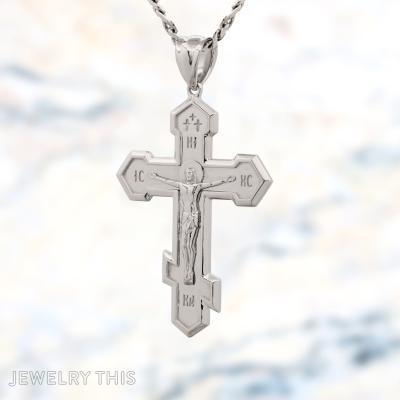
This platinum cross pendant blends Greek and Russian Orthodox design elements into a single three-bar ...