


Fleur de Lis Pendant in Silver with Black Diamonds
$$$
Sterling silver, black diamonds, amethyst
M. wanted a fleur-de-lis pendant big enough and rugged enough to match his own scale — 2 inches, in black diamonds and purple stone, made to hang on a heavy Cuban chain. He stayed involved through every stage, asking about exact dimensions and stone counts once the render came back, and approved the design as soon as he saw it.
'Looks good' — on seeing the first render
Quick specs
Design type
Primary Metal
Shape / Cut
Primary Stone
Accent Stones
Design Complexity
Intent: Certainty
Size
Pendant 2in x 1.6in (not including bail); 184 total stones (130 black diamonds, 54 amethyst). Bail enlarged to fit 8mm Cuban link chain.
How they made it distinctive
-
01
Scaled to 2 inches specifically because the wearer wanted a substantial, masculine-proportioned piece rather than a delicate pendant
-
02
Black diamond outline paired with amethyst interior fill creates a two-tone contrast across all three lobes of the fleur-de-lis
-
03
Bail custom-enlarged specifically to clear an 8mm Cuban link chain, a width most standard bails cannot accommodate
-
04
Sterling silver chosen deliberately for ruggedness over a softer or more delicate presentation
-
05
184 individually hand-set stones (130 black diamonds, 54 amethyst) rather than a simpler single-stone or channel-set design
How you'd make it yours
Stone color: this piece uses amethyst — a new commission could use tanzanite, sapphire, or another colored stone for a different purple or blue tone
Metal: this piece is sterling silver — the same fleur-de-lis design works in 10k or 14k white gold for added durability
Size: this piece is scaled to 2 inches for its wearer — a new piece is sized to its own wearer's preference
Stone density: this piece is fully pave-set — a new commission could use fewer stones or open negative space for a lighter look
One of a kind: this exact pendant was designed for one client at his specific scale and is not reproduced — a new commission is an original piece inspired by this one, not a copy
Design changes made
The bail was enlarged from a standard size to accommodate the client's 8mm Cuban link chain, since the chain he wanted would not fit through a standard bail opening. The overall design matched the initial brief and reference photo without other major changes.
Who this is for
This piece is for someone who wants a symbol that reads as substantial and rugged rather than delicate — a statement piece built to hold up to daily wear on a heavy chain. It's especially right if you have a clear reference image in mind and want to be closely involved in confirming every detail, from stone count to exact dimensions, before it's made.
How it's made
Once the design was approved, the pendant was first 3D printed in wax using the finalized digital model, then attached to a wax tree and invested in plaster. The flask was fired in a kiln to burn out the wax, leaving a hollow mold, and molten sterling silver was cast into the mold under pressure. After cooling, the raw piece was removed from the mold and prepared for finishing.
The cast pendant was cleaned, polished, and finished across its high-relief surface before stone setting began. Each of the 184 round stones — 130 black diamonds and 54 amethysts — was hand-set individually into its own prepared seat, with the black diamonds tracing the outline of the fleur-de-lis and the amethysts filling the interior lobes. The bail was finished to its enlarged dimension last, to confirm it cleared the 8mm Cuban chain before shipping.
Key note
With 184 individually hand-set stones across a dimensional silhouette, the stone-setting stage accounted for the majority of the production time on this piece, more than the casting itself.
Pricing guidance
A large-scale, heavily stone-set silver pendant like this sits toward the higher end for pendant work, mostly because of the sheer stone count rather than the metal itself. Labor to hand-set well over 100 small stones individually is the dominant cost driver, with metal weight at this 2-inch scale adding a secondary factor on top.
Moves price up ↑
- ↑ Increasing the stone count further or upgrading to larger-diameter stones throughout
- ↑ Switching the base metal from sterling silver to 10k or 14k white gold
- ↑ Upgrading from amethyst to natural sapphire or another harder, higher-value colored stone
- ↑ Enlarging the pendant beyond 2 inches, which increases both metal weight and stone count
- ↑ Adding a matching chain in the same precious metal rather than sourcing a separate chain
Moves price down ↓
- ↓ Reducing the pendant to a smaller size with proportionally fewer stones
- ↓ Using a lower stone count by leaving some areas as open negative space instead of fully paved
- ↓ Choosing a single stone color throughout rather than the two-tone black-and-purple pattern
- ↓ Selecting cubic zirconia in place of natural black diamonds for the outline stones
- ↓ Simplifying the bail to a standard size rather than a custom-enlarged one
Questions people ask
This fleur-de-lis pendant contains 184 individually set round stones — 130 black diamonds outlining the silhouette and 54 amethysts filling the interior lobes. That stone count is on the higher end for a single pendant, which is why hand-setting is the dominant cost and time factor in production. Each stone is set into its own prepared seat rather than in a continuous channel, so the process is sequential rather than batch work. Pieces with this many stones typically take longer to set than to cast.
Sterling silver (.925) is a solid choice for a large daily-wear pendant, though it is softer than white gold or platinum and will show wear over time with heavy daily use. For a substantial, dimensional design like a fleur-de-lis, silver holds its shape well under normal wear but can scratch or dull faster than higher-karat gold. Many wearers have silver pieces like this periodically polished to keep the finish bright. If maximum ruggedness is the priority, 10k white gold is a harder alternative at a different price point.
Amethyst and tanzanite are both purple gemstones but differ significantly in hardness and cost. Amethyst rates about 7 on the Mohs hardness scale, making it reasonably durable for everyday wear, while tanzanite is softer at 6 to 7 and more prone to chipping with daily knocks. Tanzanite is also considerably rarer and more expensive than amethyst at comparable sizes. For a piece with over 50 stones set in a wearable pendant, amethyst is generally the more practical and cost-effective choice.
Yes, but the bail has to be built specifically to accommodate that chain width — a standard bail will not clear an 8mm Cuban link. On this piece, the bail was enlarged during the design phase specifically to fit an 8mm chain, and the fit was confirmed before the final piece shipped. If you're planning to pair a pendant with a thick chain, it's worth confirming the bail opening size before production rather than after, since bails are difficult to enlarge once cast.
A pendant at this scale — roughly 2 inches, pave-set with well over 100 stones — sits toward the higher end of the pricing range for custom pendant work. The primary driver isn't the silver itself but the labor required to hand-set each stone individually, which scales directly with stone count. Reducing the stone count, using a smaller size, or choosing a single stone type instead of two can bring the cost down meaningfully. Metal upgrades like white gold would move the price up further on top of the stone-setting labor.
From design approval to completion, a heavily stone-set pendant like this typically takes longer than a simpler pendant because of the sequential hand-setting required for each stone. The process starts with a 3D wax model, followed by casting in sterling silver, then cleaning and polishing before stone setting begins. With 184 stones to set individually, the stone-setting stage is usually the longest single step in production. Overall timelines for a piece this detailed tend to run toward the extended end of standard custom production.
The design itself — the fleur-de-lis silhouette, the stone layout, and the proportions — can be adapted to a different metal on a new commission. White gold or a mixed-metal approach would change the look and cost but not the underlying design logic. Each metal has different weight and durability characteristics worth discussing before committing, especially at a larger pendant size where metal weight adds up. A new piece inspired by this one would be built fresh for its own wearer rather than simply re-cast in a different metal.
The bail is the loop that the chain passes through, and its opening has to be wide enough to let the chain slide freely without binding. Standard bails are typically sized for thinner chains, so a heavier chain like an 8mm Cuban link needs a bail that is deliberately enlarged during the design phase. Getting this measurement wrong means the pendant either won't fit the intended chain or will hang awkwardly. It's a small detail but one that has to be resolved before casting, not after.
Explore Similar Creations
Every masterpiece starts with a spark. Explore how our clients raw ideas - sketches, heirlooms, inspirations - were transformed into bespoke works of arts.
This sterling silver pendant spells out a single word in a bold, custom sans-serif font, ...

Crafted with meticulous attention to detail, this custom logo pendant exudes timeless elegance and sophistication. ...

This custom pendant showcases a unique design, featuring a playful yet sophisticated character crafted in ...

Indulge in the timeless beauty of this custom sterling silver pendant. Expertly crafted, this oval-shaped ...

This elegant custom pendant features a sculptural sterling silver fox with stag antlers wrapping upwards ...

Celebrate your business identity with our 1.25-inch pendant, meticulously crafted in silver and elegantly plated ...

This pendant is a one-of-a-kind piece of jewelry crafted from sterling silver. It features a ...

10k yellow gold cut out style pendant featuring client’s logo. Pendant: 1 inch in size. ...
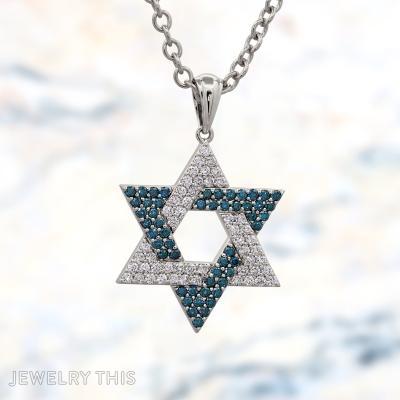
This Star of David pendant is built from two overlapping triangles in 14k white gold, ...

When a client chose to upgrade her engagement ring, she wanted a beautiful and meaningful ...

This round sterling silver pendant was built to be substantial — thick, weighty, and solid ...

This pendant centers a heart-shaped amethyst — a February birthstone — inside a double-outlined heart ...



