
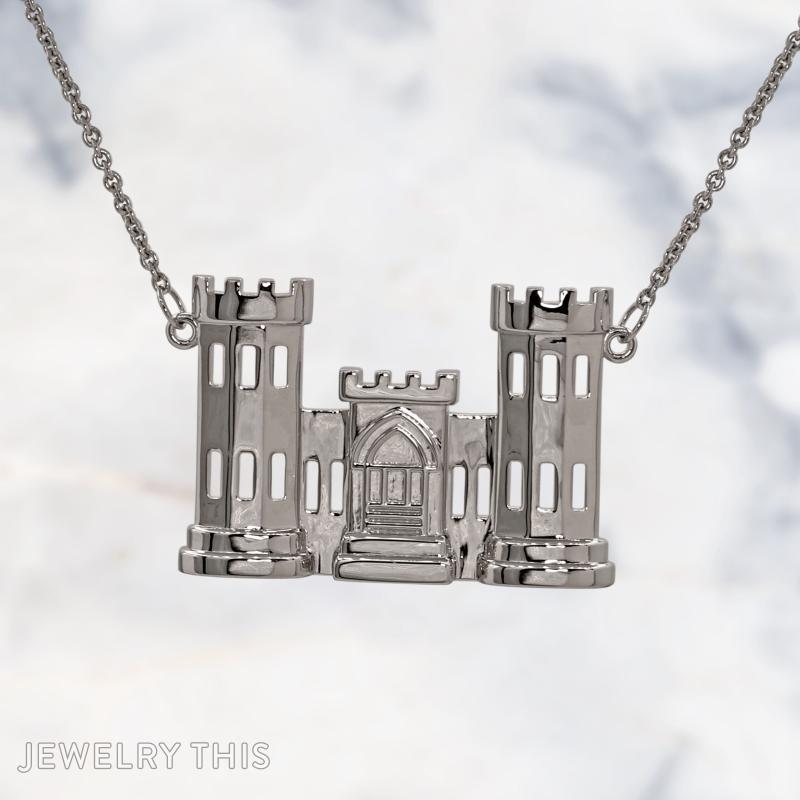
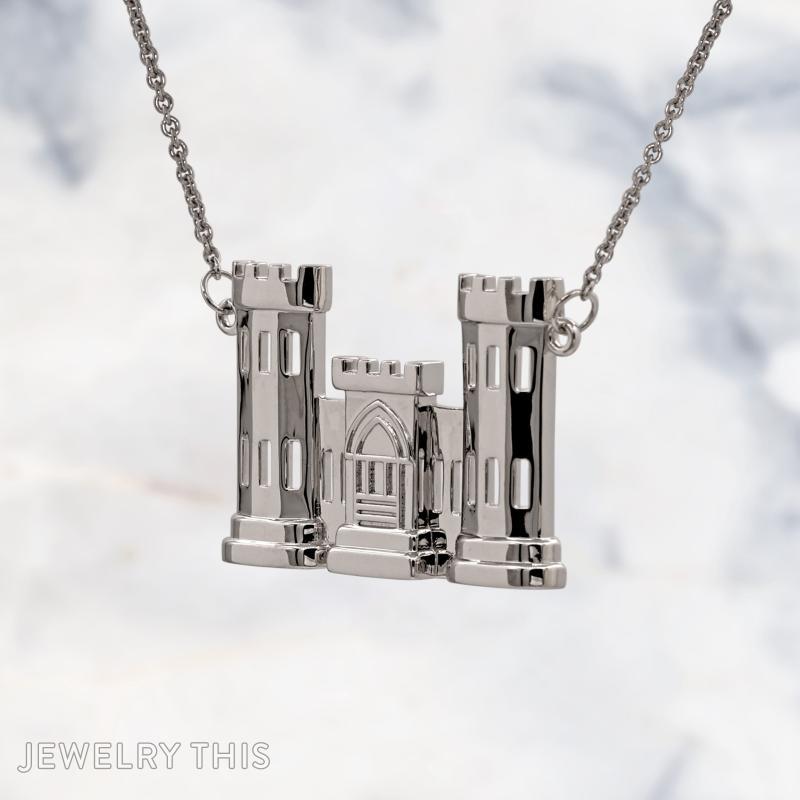
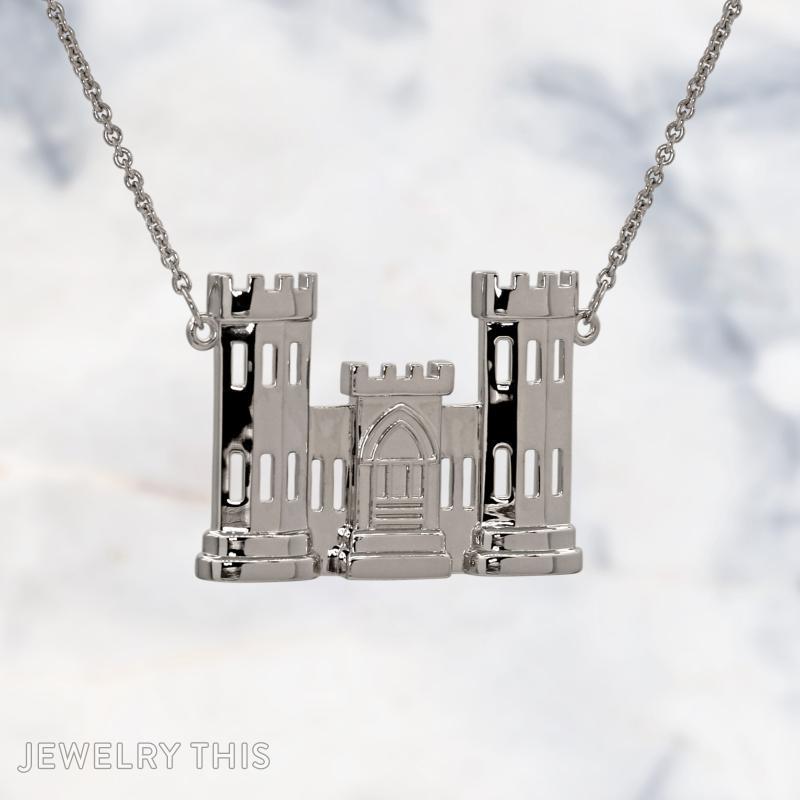
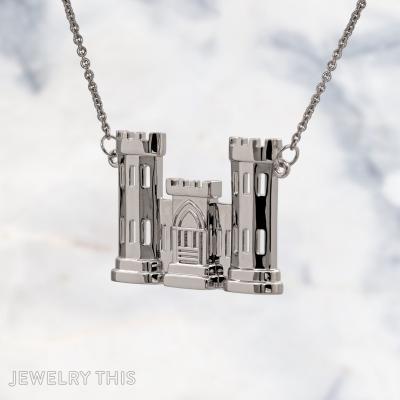
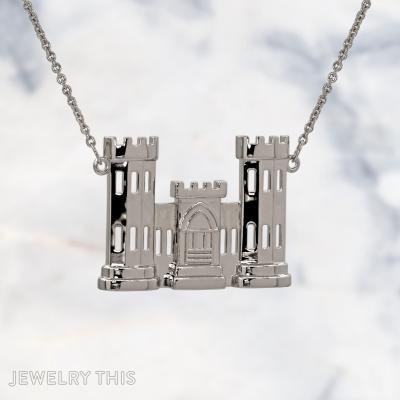
Castle Insignia Pendant — Silver Twin-Tower Design
$
Sterling silver
N. wanted a pendant built from a historic military engineering corps pin, aiming to capture the same castle emblem in wearable form rather than a flat badge. The design went through real back-and-forth — testing chain styles that could support the piece's weight, adjusting where the chain attached, and comparing a textured finish against a smooth one before choosing the smooth, polished version. When it shipped, N. had been part of refining nearly every detail along the way.
'It looks great!' — on seeing the first 3D render
'It looks great! Thank you for showing me this version.' — on seeing the smooth-finish design revision
Quick specs
Design type
Primary Metal
Primary Stone
Accent Stones
Design Complexity
Intent: Certainty
Size
Pendant 1.25in wide x 0.875in high; chain 1.5mm cable, total length 20in (pendant + chain).
How they made it distinctive
-
01
Built from detailed reference photos of a 1915 engineering corps pin rather than a generic castle design
-
02
Cut-out windows run all the way through the metal instead of being surface-engraved, letting light pass through the structure
-
03
Chain attachment points placed at the top sides of the outer towers specifically to keep the pendant hanging flat instead of tipping forward
-
04
Two full finish versions were modeled — textured and smooth — so the final polished look was chosen by direct comparison
-
05
Cable chain selected over a snake chain after learning snake chain can't structurally support a soldered double attachment
How you'd make it yours
Finish: this piece is smooth and highly polished — a new commission could use a textured surface across the towers and gatehouse
Metal: this piece is sterling silver — the same design language works in gold-plated silver or 14k gold
Chain: this piece uses a 1.5mm cable chain at 20 inches total — a new piece could use figaro, curb, or a different length
Window detail: cut-out windows can be adjusted in number and size on a new design
Scale: this piece is 1.25 x 0.875 inches — a new commission can be sized larger or smaller
One of a kind: this exact pendant was built to match a specific reference pin for one client and is not reproduced — a new commission is an original piece inspired by this one
Design changes made
The piece moved from an initially requested snake chain to a cable chain after learning that a snake chain lacks the structural support needed for a soldered attachment. The team also built a second, fully smooth and polished version alongside the originally textured design so N. could compare both before choosing the non-textured finish.
Who this is for
This piece is for someone who wants a specific object from their own history or family history turned into something wearable, not a generic design pulled from a catalog. It fits someone willing to go through a few rounds of refinement to get small architectural details right, from window placement to how a chain attaches without throwing off the piece's balance.
How it's made
Once the design was approved, the team built a 3D-printed wax model of the castle, which was attached to a wax tree and set inside a flask. The flask was placed in a kiln to burn out the wax, leaving a hollow mold, and molten sterling silver was then cast into that mold. After cooling, the piece was removed from the mold for cleaning and finishing.
The cutout windows were cleared through during this stage so light passes through them rather than sitting as a surface detail. The entire castle was then finished in a smooth, highly polished surface — a deliberate change from an earlier textured version — and jump rings were soldered to the top sides of the outer towers to anchor the cable chain, keeping the pendant hanging flat and upright rather than tipping forward under its own weight.
Key note
The jump rings were deliberately placed at the top sides of the outer towers rather than lower on the piece, because a lower attachment point would let the pendant's weight tip it forward and roll during wear.
Pricing guidance
A dimensional architectural pendant like this, with cut-out windows and a fully sculpted front and back, sits in the mid range for sterling silver custom pieces of this complexity. Most of the cost comes from the 3D modeling and casting work required to create a free-standing, dimensional structure rather than a flat engraved disc. Chain length and metal choice are the main variables that move the price from there.
Moves price up ↑
- ↑ Upgrading from sterling silver to 14k gold or gold-plated silver
- ↑ Adding a hollowed, lightweight back structure versus a solid flat back
- ↑ Increasing the pendant size beyond the current 1.25 x 0.875 inch scale
- ↑ Adding gemstone accents or enamel coloring to the facade
- ↑ Requesting a fully textured stone surface across the entire structure
Moves price down ↓
- ↓ Reducing the pendant to a flatter, less dimensional relief design
- ↓ Shortening the chain length from 20 inches
- ↓ Choosing a simpler chain style such as basic cable over figaro or curb
- ↓ Limiting cut-out windows to fewer, larger openings rather than many small ones
- ↓ Omitting the gatehouse detail and using only the two towers
Questions people ask
Yes, a physical pin, medal, or badge can be used as the primary reference for a 3D pendant design. The design team builds a 3D model based on photos and measurements of the original, including fine details like windows, doors, and surface texture. Multiple rounds of review are typical, since translating a small flat pin into a three-dimensional wearable pendant takes some back and forth. The exact scale can also be matched to the original object if desired.
Snake chain is fully interlocked rather than made of separate links, so it cannot be cut and resoldered without stiffening or damaging the chain at the join. Pendants that require the chain to be soldered directly onto jump rings need a linked chain style, such as cable, figaro, or open curb, which has natural gaps between links. Cable chain is generally the most affordable option among these. A snake chain can still be used with a different pendant, but only one designed with a bail for the chain to slide through.
Sterling silver (.925) is durable enough for regular wear but will tarnish over time with air exposure, especially if not worn often or stored properly. A pendant with cut-out windows and fine architectural detail, like towers and crenellations, has more surface area and recessed areas where tarnish can build up, so occasional polishing is recommended. The structure itself, once cast and finished, is solid and holds its shape well under normal handling. Avoiding exposure to chlorine, harsh chemicals, and extended moisture will help preserve the finish longest.
A dimensional pendant with cut-out windows and a fully sculpted front, cast in sterling silver, typically falls in the mid range for custom work of this complexity. The primary cost driver is the 3D modeling and casting needed to produce a structure with depth and open sections, rather than a flat engraved piece. Chain length, metal choice, and the level of surface detail are the factors that move the price up or down from there.
The design phase for a dimensional pendant typically takes about a week, during which a 3D render is produced and refined based on feedback. Once a design is approved, production — including wax modeling, casting, finishing, and stone or chain assembly — generally takes three to four weeks. More involved revisions, such as comparing a textured version against a smooth one, can add some time to the design phase specifically. Total turnaround from approval to shipping is typically five to six weeks.
The placement of chain attachment points is determined by the pendant's weight, shape, and size in order for it to hang correctly when worn. Moving the attachment points too low on a top-heavy design can cause the pendant to tip forward or roll on the chain rather than hanging flat. For a structure with towers or raised elements, anchoring the chain at the top sides typically keeps the piece upright and centered on the chest. A jeweler can advise on the best placement for a specific design before production begins.
Yes, window openings and other architectural details can be cut all the way through the metal rather than only engraved on the surface, which lets light pass through and adds visual depth. This approach requires more precise casting and cleanup work than a surface engraving, since each opening has to be cleared and finished individually. It works especially well on structures like towers or buildings where real windows would be openings rather than solid surfaces. The tradeoff is a bit more production time compared to a flat engraved design.
Yes, it's possible to have a design rendered in more than one finish option before final production begins, such as a textured surface versus a smooth, highly polished one. This typically requires rebuilding part of the 3D model for the alternate finish, so it may add some time to the design phase. Comparing both side by side as renders helps confirm which finish reads better on the specific design before any metal is cast. Most clients find this comparison step worthwhile when the finish is a close call.
Explore Similar Creations
Every masterpiece starts with a spark. Explore how our clients raw ideas - sketches, heirlooms, inspirations - were transformed into bespoke works of arts.
A stunning replication of a business logo, rich in intricate detail. This 1.5-inch pendant, crafted ...

This gold pendant is a harmonious blend of elegance and wilderness. Encased in an alluring ...
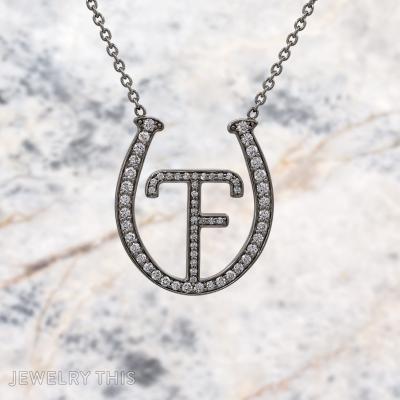
This custom pendant features a bold brand design, with a horseshoe at its center, symbolizing ...
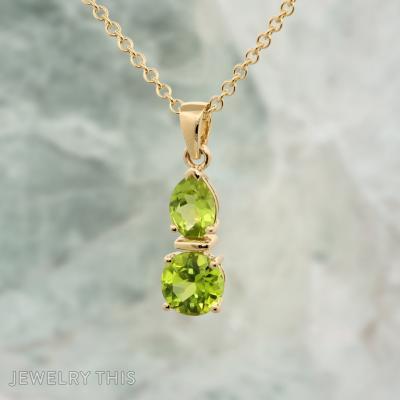
This pendant was designed around a simple idea: two peridots, one pear-shaped and one round, ...

Crafted as a heartfelt tribute to a cherished family heirloom. The cross is intricately designed ...

This magnificent white gold circular pendant embodies the essence of faith, love and protection. At ...

Revel in durability and style with our 2-inch long twist pendant, meticulously crafted from black ...

Gold plated Sterling Silver pendant featuring organizations Beehive Logo. Blue enamel detail. Pendant: 1 inch ...

This distinctive yellow gold pendant captures the mystique of the lunar cycle. Shaped as a ...

This dimensional 2 inch silver pendant is captivating in detail. A male lion wearing a ...

A token of elegance and personal significance, this 1-inch rectangular pendant is crafted from 14kt ...

This pendant is made of two separate solid 14k yellow gold triangles, one notched to ...



