


Smoky Quartz Halo Ring in Warm Yellow Gold
$$$
14k yellow gold, smoky gemstone, lab diamonds
D. bought a large smoky gemstone on a trip and wanted a setting that would let it stand on its own — modern and minimal, not vintage. The design went back and forth between a plain mounting and a diamond halo before settling on a thin pave halo that kept the look light despite the size of the stone. When it arrived, she wrote: 'The ring is lovely.'
'I think it's perfect!' — on seeing the resin model
'The ring is lovely.' — on delivery
Quick specs
Design type
Primary Metal
Shape / Cut
Primary Stone
Accent Stones
Style
Design Complexity
Intent: Certainty
Size
Ring size 6.5 US.
How they made it distinctive
-
01
Built entirely around a client-provided center stone, measured and scanned before the design was finalized
-
02
Pave diamond halo kept intentionally thin and small-scale to maintain a modern, non-vintage look
-
03
Open gallery basket beneath the stone lets light pass through from underneath
-
04
Muted 14k yellow gold chosen over a brighter tone to complement the stone's coloring
-
05
Double-claw prong setting hand-filed after casting to minimize visual bulk
How you'd make it yours
Stone: this piece uses a client-provided smoky gemstone; a new commission could use a sourced stone in a different color or type
Halo: currently a single row of small pave diamonds; a new piece could use a double row or larger stones
Metal: this piece is 14k yellow gold; the same halo design works in 18k yellow, white, or rose gold
Band: currently a simple polished shank; a new commission could add side texture or pave detail
One of a kind: this exact ring was built around one client's own stone and is not reproduced — a new commission is an original piece inspired by this one, not a copy
Design changes made
The initial approved design used a plain mounting with no diamonds to stay within budget, but after reviewing the render the client clarified she had wanted the diamond halo discussed earlier. The design was revised to add a thin pave diamond halo around the center stone at no additional charge.
Who this is for
This piece is for someone who already owns or has found a stone they love and wants a setting that lets it be the focus. It's especially right if you lean minimal and modern rather than vintage, but still want the extra sparkle a diamond halo brings without an ornate or heavy frame.
How it's made
Once the halo design was approved, the ring was 3D printed in wax and attached to a wax tree inside a flask. The flask was invested in plaster and fired in a kiln to burn out the wax, leaving a hollow mold. Molten 14k yellow gold was then cast into the mold under pressure and allowed to cool before the raw mounting was removed and cleaned.
After casting, the mounting was polished to a bright finish and the open basket gallery beneath the center stone was hand-finished so light could pass through from underneath. The small round diamonds were set by hand around the halo first, followed by the client's own oval center stone, secured in double-claw prongs that were filed and shaped by hand to sit lower and less prominent than they appeared in the render.
Key note
The prongs are deliberately filed down by hand after setting, since a render always shows them larger in proportion than they read once the piece is at true scale.
Pricing guidance
A large center-stone halo ring in 14k yellow gold with a pave diamond frame sits in the mid range for custom rings of this size and complexity. Most of the cost comes from the metal weight needed to support a large stone and the labor of hand-setting a full halo of small diamonds. Diamond quality and the karat of gold chosen are the biggest levers on price from there.
Moves price up ↑
- ↑ Upgrading from lab-created to natural diamonds in the halo
- ↑ Choosing a higher clarity or color grade for the halo diamonds
- ↑ Using 18k gold instead of 14k for a richer color and higher gold content
- ↑ Enlarging the halo to a double row of diamonds
- ↑ Sourcing a larger or finer-quality center stone through the studio rather than client-provided
Moves price down ↓
- ↓ Dropping the diamond halo for a plain polished mounting
- ↓ Using 10k gold instead of 14k
- ↓ Reducing the number of halo stones or their size
- ↓ Choosing a smaller center stone
- ↓ Using a client-provided stone rather than one sourced by the studio, which saves on sourcing time and cost
Questions people ask
Smoky quartz is a brownish-gray variety of quartz, rating about 7 on the Mohs hardness scale. That makes it reasonably durable for everyday wear, though it is softer than sapphire or diamond and can scratch over time with heavy daily use. It holds up well in a ring as long as it is protected by prongs rather than left fully exposed. Cleaning with mild soap and water is sufficient — avoid ultrasonic cleaners if the stone has any internal inclusions or fractures.
Yes. When a client provides their own stone, it is shipped to the studio so the jeweler can scan and measure it precisely before the 3D model is built around its exact dimensions. This is different from a stone the studio sources, where the design can be built from standard specifications before the physical stone exists. Using your own stone does mean the design can't be finalized until the stone is received and measured, which adds a short lead time before the first render is ready.
Lab-created and natural diamonds are chemically and visually identical — same hardness, same brilliance, same durability. The only difference is origin: natural diamonds are mined, lab diamonds are grown in a controlled setting. For a halo of small accent stones like this one, lab diamonds are a common choice because they deliver the same sparkle at a lower cost per stone, which matters when a dozen or more small stones are needed.
From design approval to finished ring typically takes four to five weeks once production begins, following about one to two weeks of design and render refinement beforehand. If a resin trial is sent for fit approval before casting, that adds about a week to the front end of the timeline. The stone-setting and finishing steps happen near the end of production, after the mounting has been cast and polished.
A ring built around a large center stone with a full pave diamond halo generally falls in the mid range for custom work of this scale. The price is driven mainly by the amount of gold needed to support a larger stone safely and the labor of hand-setting every diamond in the halo. Choosing lab diamonds over natural, or a lower karat gold, are the two most effective ways to bring the cost down without changing the design.
Yes, a cast gold band without stones set into the shank itself can typically be resized within a standard range by most jewelers. Because the diamonds in this design are set in the halo around the stone rather than down the band, resizing does not disturb the stone setting. Larger size adjustments may require more significant reworking of the band.
In a 3D render, prongs often look larger than they will in the finished piece because the render is typically shown at a larger scale than the actual ring. During stone setting, the jeweler hand-files and shapes the prongs down so they sit lower and less obtrusive once sized correctly. The final result is prongs sized to securely hold the stone while staying visually minimal.
Yes. While halos are sometimes associated with vintage styles, a thin pave halo with small, closely set diamonds reads as modern and minimal rather than ornate. The key is keeping the halo stones small and the band simple — a thick or ornately detailed halo setting will push the look toward vintage, while a delicate single row keeps it current.
Explore Similar Creations
Every masterpiece starts with a spark. Explore how our clients raw ideas - sketches, heirlooms, inspirations - were transformed into bespoke works of arts.
Celebrate a unique and edgy style with this silver ring, featuring three intricately designed skulls ...

This white gold ring is nothing short of a masterpiece, showcasing a captivating lab-grown ruby ...

This engagement ring centers a bi-color teal-green emerald-cut Montana sapphire, set in a four-prong mounting ...

This custom engagement ring is a breathtaking piece that beautifully captures the essence of love ...
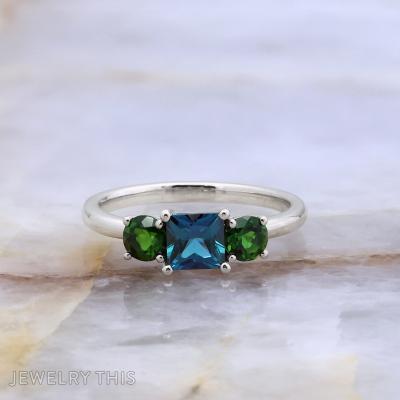
A family’s story is beautifully captured in this one-of-a-kind ring, thoughtfully designed by a husband ...
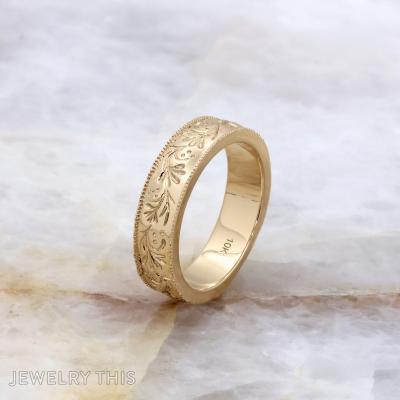
A timeless 5mm wedding band crafted in 10kt yellow gold, featuring an intricate ginkgo leaf ...

This unique set of wedding rings is designed for golf lovers, symbolizing a shared passion ...

This wedding set is made sterling silver and set with a center round moonstone with ...

This engagement ring began as an upgrade project: the client’s existing 1.22ct lab-grown round diamond, ...

Custom made sterling silver ring featuring a family name, symbolic detailing and colored enamel.

This exquisite yellow gold ring was thoughtfully created to replace a cherished heirloom ring of ...




