

Recreated Vintage Milgrain Engagement Ring
$
Sterling silver, cubic zirconia, cubic zirconia accents
A.'s wife lost her engagement ring, and all he had to rebuild it was an old appraisal document and a couple of photographs. He worked with the design team to confirm details he couldn't fully make out in the pictures — how far the pattern ran down the band, where the bezel-set stones landed — until the render matched what the appraisal described. He timed it to arrive for their anniversary, and it shipped in time.
Quick specs
Design type
Primary Metal
Shape / Cut
Primary Stone
Accent Stones
Design Complexity
Intent: Certainty
Size
Ring size 8 US. Center stone 8mm round.
How they made it distinctive
-
01
Entire design rebuilt from an appraisal document and photographs alone, with no physical ring to reference
-
02
Milgrain detailing along the shoulder pattern recreates the antique character of the lost original
-
03
Pattern deliberately stops at matching bezel-set stones on each shoulder, leaving the lower band smooth, per the original's layout
-
04
Sterling silver and cubic zirconia chosen specifically to keep the recreation visually close to the original while managing cost
-
05
Center stone size adjusted slightly from spec without altering the ring's proportions or price
How you'd make it yours
Stone: this piece uses cubic zirconia; a new commission could use moissanite or a lab diamond for more brilliance and durability
Metal: this piece is sterling silver; the same vintage shoulder pattern works well in 14k or 18k white gold
Center stone size: this piece uses an 8mm round stone; a new commission could use a larger or smaller size
Shoulder detail: the milgrain and bezel-set pattern on this piece could be extended further down the band or simplified on a new piece
Companion band: a matching wedding band in the same style could be designed as a separate commission
One of a kind: this exact ring was recreated for one client from a specific appraisal and photo set and is not reproduced — a new commission is an original piece inspired by its vintage detailing, not a copy
Design changes made
Design matched the initial brief without major changes — the main clarification was confirming exactly how far the vintage pattern extended down each shoulder and where the bezel-set stones were positioned, based on the appraisal photos.
Who this is for
This piece is for someone trying to bring back a ring that is gone, working from nothing more than an old appraisal and a few photos. It's especially right if the emotional priority is getting the design right rather than matching the original's exact materials, and if a practical, lower-cost recreation matters more than an exact value match.
How it's made
Once the design was approved from the 3D render, the ring was 3D-printed in wax and attached to a wax tree inside a flask. The flask went into a kiln to burn out the wax, leaving a hollow mold, and molten sterling silver was cast into that mold under pressure. After cooling, the raw ring was removed from the mold and prepared for cleaning and finishing.
The band was cleaned and polished to a mirror finish, with fine milgrain detailing worked along the edges of the vintage pattern on each shoulder. The round center stone was set into a four-prong head, while the accent stones along the shoulders were bezel-set and pave-set in sequence, following the layout confirmed from the original appraisal photos.
Key note
The center stone was set slightly larger than originally specified — 8mm instead of 7.8mm — because that exact size wasn't in stock, a common substitution that doesn't change the ring's proportions or cost.
Pricing guidance
A vintage-styled solitaire engagement ring with milgrain and bezel-set shoulder accents sits toward the lower end for custom engagement rings of this complexity. Sterling silver with cubic zirconia keeps the baseline cost down considerably compared to gold and diamond versions of the same design. Moving to gold or upgrading the stones is where the price shifts most from there.
Moves price up ↑
- ↑ Upgrading from sterling silver to 14k or 18k white gold
- ↑ Switching from cubic zirconia to moissanite or lab diamond for the center and accent stones
- ↑ Increasing the center stone size beyond 8mm
- ↑ Adding a matching wedding band designed to fit flush against the shoulders
- ↑ Using natural diamonds instead of lab-created alternatives for the accent stones
Moves price down ↓
- ↓ Reducing the number of bezel-set and pave accent stones along the shoulders
- ↓ Simplifying the milgrain detailing on the shoulders
- ↓ Choosing a smaller center stone
- ↓ Omitting the matching wedding band
- ↓ Keeping cubic zirconia rather than upgrading to moissanite or diamond
Questions people ask
Yes, this is a common request and an appraisal document combined with clear photos gives the design team enough detail to rebuild a ring closely. The appraisal typically specifies stone sizes, metal type, and setting style, while photos fill in visual details like pattern placement and stone arrangement. The process starts with a 3D render for approval before anything is cast, so any details that are unclear from the photos can be clarified and corrected before production. Most recreations end up very close to the original once the render is reviewed and approved.
Cubic zirconia is a synthetic stone that is less hard than moissanite and tends to show more wear over years of daily use, including slight clouding or surface scratching. Moissanite is significantly harder, closer to diamond on the hardness scale, and holds its brilliance longer under daily wear. Both are far less expensive than natural or lab diamonds and look similar to the naked eye when well cut. Many clients start with cubic zirconia for budget reasons and upgrade to moissanite or diamond in a future piece.
Sterling silver is softer than gold or platinum, so it is more prone to scratching and will need occasional polishing to keep its shine over years of daily wear. It also requires more frequent cleaning since silver can tarnish with exposure to air and skin oils. For a ring worn daily, many jewelers recommend white gold or platinum for long-term durability, but sterling silver is a reasonable choice when budget is the primary concern. Many clients choose silver as a starting point and plan to upgrade the metal later.
A vintage-inspired solitaire with milgrain detailing and bezel-set shoulder accents in sterling silver with cubic zirconia falls toward the lower end of the price range for custom engagement rings. The cost is driven mainly by the hand-finishing needed for the milgrain edging and the labor to set multiple small accent stones along the shoulders. Upgrading the metal to gold or the stones to moissanite or diamond increases the price substantially from that baseline. The center stone size and total accent stone count are the two biggest cost variables.
The design phase for a recreation like this typically takes about one week, during which a 3D render is produced for review and approval based on photos and any supporting documentation like an appraisal. Once the design is approved and production begins, casting, finishing, and stone setting usually take four to five weeks. Rush timelines are sometimes possible depending on the complexity of the piece and scheduling, but they should be discussed upfront if there's a specific date in mind. The full process from first photo to finished ring generally runs five to six weeks.
Yes, a matching wedding band can be designed to complement the shoulder pattern and profile of an engagement ring like this one, even if it wasn't ordered at the same time. Matching the two pieces closely works best when the wedding band is designed with the engagement ring's existing photos or render as a reference. It does not need to be ordered at the same time, though having both designs reviewed together can help ensure visual cohesion. A thin, simple band is generally the easiest to match to a vintage-styled shoulder design like this one.
Yes, center stone sizes sometimes shift slightly from the original specification if the exact millimeter size isn't available at the time of setting — in this case the stone went from 7.8mm to 8mm. A half-millimeter difference like this generally doesn't change the ring's overall proportions, appearance, or cost. If a size change would meaningfully affect the ring's look or cost, the client is notified before the change is made. Larger adjustments are discussed and approved before production continues.
Many clients recreating a lost piece want the design to be as close as possible visually without necessarily matching the original's exact materials, often because of cost considerations. Sterling silver and cubic zirconia can closely mimic the look of white gold and diamond at a fraction of the cost, especially in photos or from a short viewing distance. This approach lets someone restore the sentimental value of a design without the financial commitment of precious metal and natural stones. It's a common and practical choice for recreations where the emotional priority is the design itself rather than the material value.
Explore Similar Creations
Every masterpiece starts with a spark. Explore how our clients raw ideas - sketches, heirlooms, inspirations - were transformed into bespoke works of arts.
This engagement ring featuring an oval Australian opal, nestled within an 18k yellow gold setting. ...
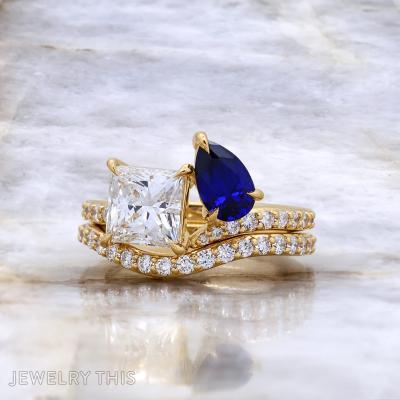
This stunning yellow gold wedding set features a unique engagement ring and matching wedding band ...

Introducing this stunning Jade Halo Engagement Ring. A mesmerizing blend of elegance and sophistication. At ...
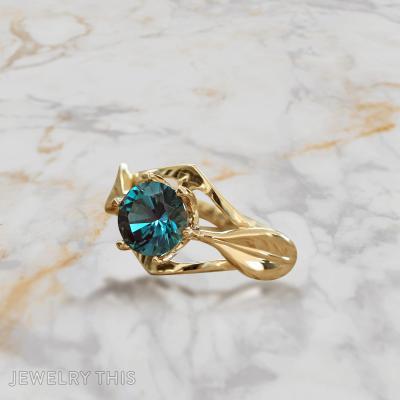
This meticulously recreated ring carries the emotional weight of a lost family heirloom, reborn in ...

This client came to us with her stunning engagement ring and requested a custom made ...

This striking wide yellow gold engagement ring showcases a bold and sophisticated design, centered around ...

Radiant and reborn, this engagement ring is a recreated masterpiece born from cherished memories. Crafted ...
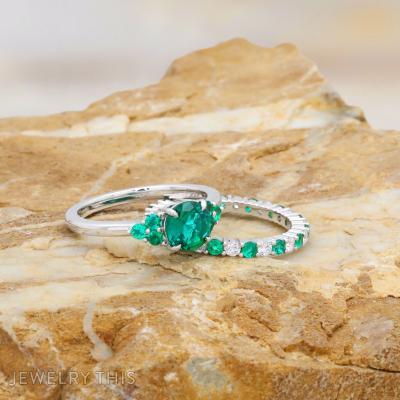
This elegant white gold wedding set features a vibrant round brilliant-cut lab-grown emerald at the ...

Introducing a Mushroom Lover’s Custom Engagement Ring dream. A unique and enchanting symbol of love ...
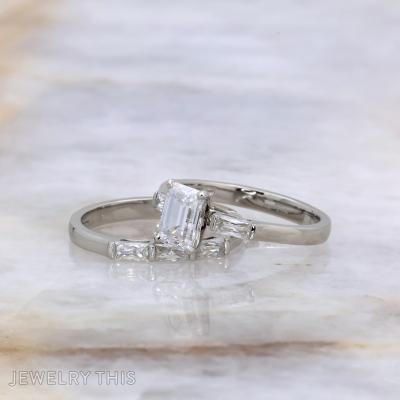
This exquisite platinum engagement ring and wedding band set features a stunning 1-carat emerald-cut moissanite ...

14 k yellow gold engagement ring featuring a claddagh design. Set in the center a ...

This Platinum ring is a symbol of life’s vibrant connections. At its heart, a 1 ...