Hexagonal Blue Diamond Ring Inspired by a Mother's Heirloom
$$$
14k white gold, lab-grown blue diamond, lab-grown diamonds, lab-grown blue diamonds
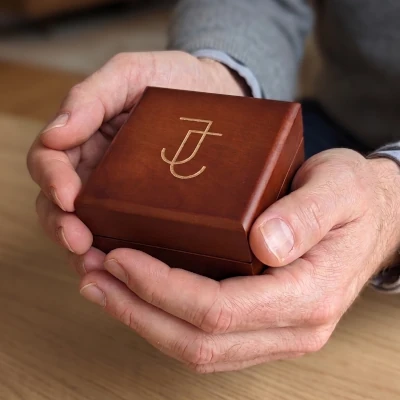
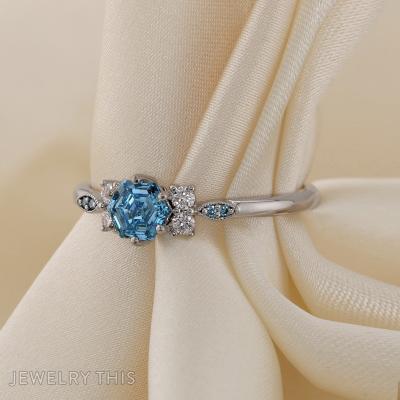
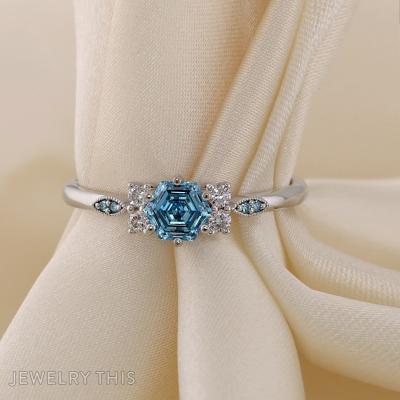
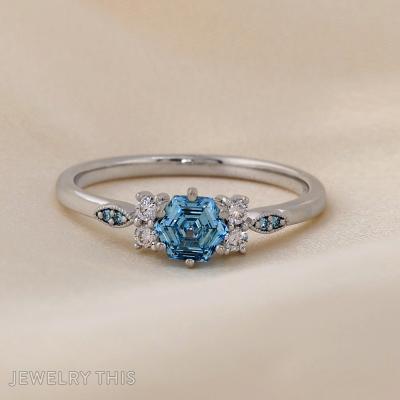
A client set out to recreate a ring that had belonged to his partner's mother, wanting the design to echo that original piece as closely as possible while making it her own. Sapphire blue was the goal from the start, chosen specifically for its hardness and resistance to everyday scratches, and the design moved through several stone options before landing on a hexagonal cut with matching marquise-shaped accents. When the render came through, he wrote simply: 'I love it.'
'I love it!' — on seeing the first render
Quick specs
Design type
Primary Metal
Shape / Cut
Primary Stone
Accent Stones
Design Complexity
Intent: Certainty
Size
Ring size 8.75 US (18.7mm).
How they made it distinctive
-
01
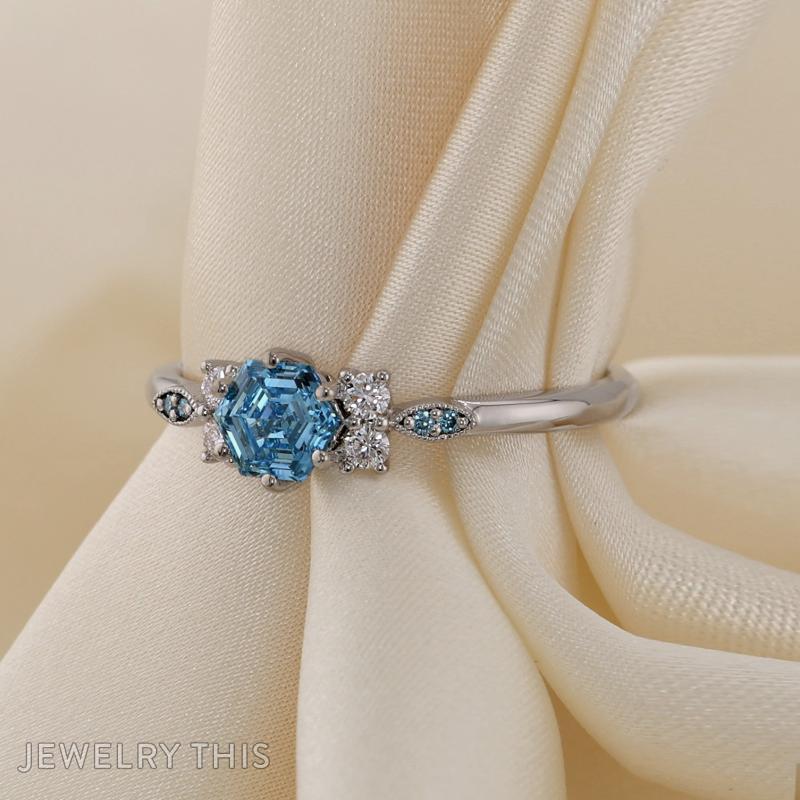
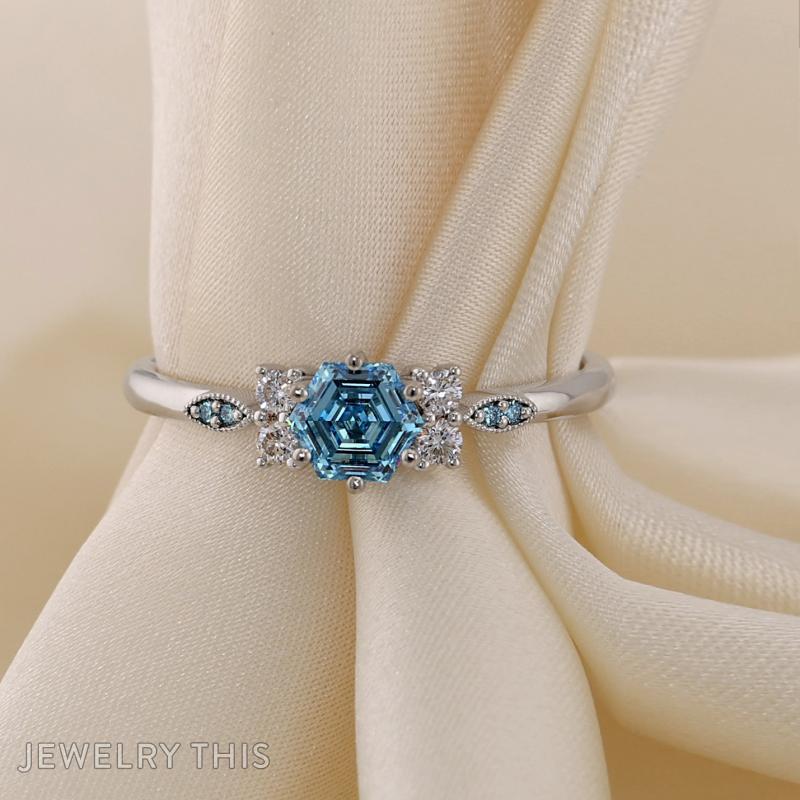
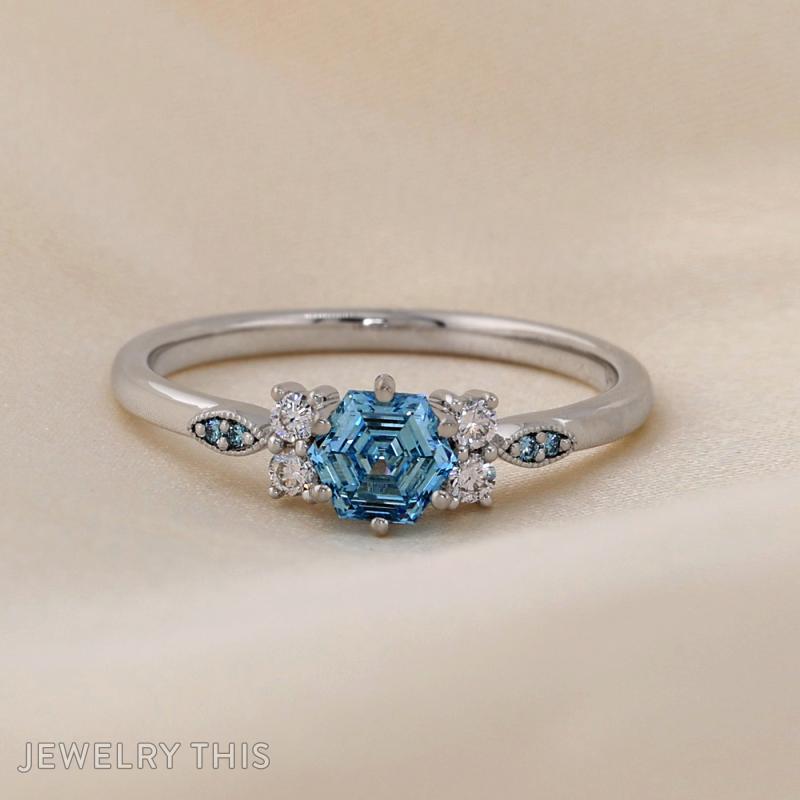
Hexagonal step-cut center stone chosen to closely echo the shape of a treasured family ring
-
02
Marquise-shaped clusters of small round accent stones used in place of a single stone shape, framed with milgrain edging for an antique-inspired finish
-
03
Lab-grown stones used throughout at the client's request, matching the coloration of the original inspiration without using natural stones
-
04
Stone color refined through multiple rounds of sourcing to find the closest match to a deep teal-blue while keeping durability high
-
05
14k white gold selected to match the cool tone of the original piece being echoed
How you'd make it yours
Center stone: this piece uses a hexagonal lab-grown blue diamond — a new commission could use a different cut like oval or cushion, or a different colored stone
Metal: this piece is 14k white gold — the same design language works in 18k white gold or platinum for a similar cool tone
Accent stone shape: the marquise-framed clusters could be reworked into a single marquise stone or a different accent arrangement
Stone color: this piece uses a deep teal-blue — a new commission could use a lighter blue, green, or another color entirely
One of a kind: this exact ring was designed to echo one client's family piece and is not reproduced — a new commission is an original piece inspired by this one, not a copy
Design changes made
The stone type shifted several times during design — from Montana sapphire to lab-grown sapphire to a colored lab-grown diamond — as the client worked to match his partner's preference for lab-grown stones with the exact coloration and hardness he wanted. The final design used lab-grown blue diamonds in a hexagonal center stone with marquise-framed round accents on each side.
Who this is for
This piece is for someone who wants their engagement ring to carry a real connection to family, without simply repeating what came before. It's especially right if you're drawn to a colored center stone with real durability for daily wear, and want a design shaped by sentiment as much as by style.
How it's made
Once the design was approved, a detailed 3D CAD model was built from the technical sketch and used to produce a resin model, which was assembled onto a wax tree. The tree was invested in plaster and fired in a kiln to burn out the wax, leaving a hollow mold, and molten 14k white gold was cast into the mold to form the raw ring. After casting, the piece was cleaned up and prepared for stone setting.
The ring was polished to a bright white-gold finish across the band before the sourced center stone and accent stones were set by hand. The hexagonal center stone was set last, following final quality checks, with the round diamonds and marquise-framed accent stones secured on either side. Milgrain detailing was added along the accent frames to give the setting a finished, antique-inspired edge.
Key note
The center stone was set only after the ring had already been cast and polished, since the cutter's shipment of the sourced stone arrived after the metalwork was complete.
Pricing guidance
An engagement ring with a hexagonal step-cut center stone, diamond accents, and marquise-framed colored stone clusters sits in the mid range for custom engagement work of this complexity. Sourcing a specific hexagonal cut and matching small accent stones in a precise color drives much of the cost, more than the metal choice itself. Choosing lab-grown stones throughout, rather than natural, keeps the price from climbing further.
Moves price up ↑
- ↑ Using natural sapphires or diamonds instead of lab-grown throughout
- ↑ Requiring a rare or hard-to-source stone color or cut, which adds custom sourcing time
- ↑ Upgrading from 14k to 18k white gold or platinum
- ↑ Increasing the size or number of accent stones
- ↑ Adding a fully hand-carved wax model instead of a standard resin-based process
Moves price down ↓
- ↓ Choosing a more readily available stone color rather than an exact custom color match
- ↓ Using a standard round or oval center stone instead of a custom hexagonal cut
- ↓ Reducing the number of accent stone clusters
- ↓ Selecting a simpler band without milgrain detailing
- ↓ Using smaller accent stones that are easier to source
Questions people ask
Yes, hexagonal center stones can be set using a six-prong or customized prong arrangement designed specifically for the stone's shape. This cut has straight facets and flat edges rather than curves, so the setting has to be built to match the exact stone before casting. It's a less common shape than round or oval, so sourcing a hexagonal stone in a specific color can take longer than a standard cut. The style pairs well with clean, geometric accent arrangements like the marquise clusters used here.
Lab-grown and natural sapphire share the same chemical composition and hardness rating of 9 on the Mohs scale, just below diamond. The visual difference to the naked eye is typically minimal to none. The main distinction is origin and cost — lab-grown sapphire is grown in a controlled lab environment rather than mined, which generally makes it more affordable. Durability and daily-wear performance are essentially the same between the two.
A colored lab-grown diamond offers the same 10-on-the-Mohs-scale hardness as a colorless diamond, making it the most scratch-resistant option available for a center stone. Some clients prefer diamond specifically because it's the hardest natural material used in jewelry, which matters for a ring worn daily. Sourcing small colored lab-grown diamonds in specific shapes, like matched marquise-style accents, can be more limited than sourcing colored sapphire in the same shapes. The tradeoff is typically a higher cost for the added durability and rarity.
The full process typically runs about four to six weeks from design approval to completion, depending on the complexity of stone sourcing. The first week or so covers the technical sketch, 3D model, and render for client approval. Once approved, sourcing specific accent stones — especially in a custom color — can add time before casting begins. After casting, stone setting, polishing, and final quality checks typically take another one to two weeks.
A ring with a customized center stone shape, diamond accents, and additional colored stone clusters sits in the mid range for custom engagement rings. The biggest cost driver is usually the stone sourcing — a specific cut and color combination requires locating or cutting stones to match, which takes more time and expertise than sourcing standard round diamonds. Metal choice and the complexity of the setting (like milgrain detailing) also factor in, but stone sourcing tends to be the largest single variable.
Most rings can be resized within a limited range, typically one to two sizes up or down, without significantly affecting the setting. A ring with delicate milgrain detailing or stones set close to the shank may require extra care during resizing to avoid disturbing the accent stones. It's best to confirm the exact finger size before production begins, since larger resizing adjustments can be more complex on a ring with stones set along the band rather than just at the center. Getting professionally sized ahead of time helps avoid this altogether.
a a similar stone design in other jewelry pieces? can can be made
Explore Similar Creations
Every masterpiece starts with a spark. Explore how our clients raw ideas - sketches, heirlooms, inspirations - were transformed into bespoke works of arts.
This exquisite rose gold engagement ring is a celebration of vibrant color and intricate craftsmanship. ...

This white gold ring is a bold and captivating statement piece designed to allure and ...
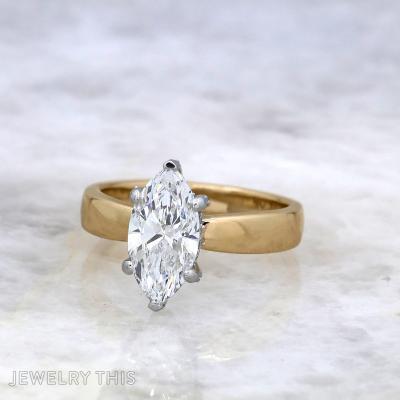
This stunning yellow gold engagement ring masterfully blends traditional warmth with modern brilliance. The centerpiece ...
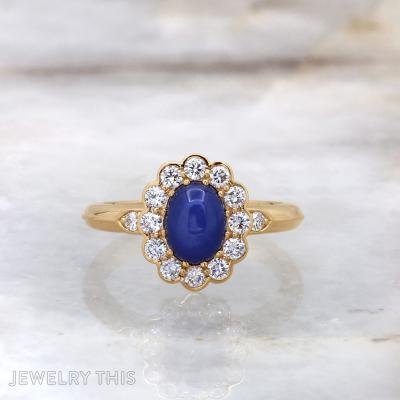
This romantic yellow gold engagement ring centers around a mesmerizing oval cabochon-cut lab grown blue ...

This stunning Yellow gold ring features a magnificent 1.5-carat marquise-shaped moissanite in the center. The ...

This enchanting engagement ring features a captivating pear-shaped purple sapphire at its center. The sapphire ...

14 k yellow gold engagement ring featuring a claddagh design. Set in the center a ...

This captivating set of rings is designed to symbolize unity and individuality. One ring is ...

This yellow gold ring centers on a brilliant marquise diamond, elegantly framed by two smaller ...

This white gold ring draws you in immediately with the captivating 9 carat rose cut ...

This stunning sapphire and diamond wedding band combines timeless elegance with a touch of color. ...

This white gold engagement ring is an exquisite blend of elegance and brilliance, featuring a ...