

Inverted Cross Pendant in Silver with Topaz and CZ
$$
Sterling silver, cubic zirconia, blue topaz
A client came to us wanting a very specific symbol — an inverted St. Peter's cross, not a standard cross — rendered with a mix of clear and blue stones from a reference photo he provided. When the design came back, he wrote simply: 'That looks absolutely amazing!' and later, on delivery: 'So psyched. Thanks so much!'
'That looks absolutely amazing!' — on seeing the first render
'So psyched. Thanks so much!' — on delivery
Quick specs
Design type
Primary Metal
Shape / Cut
Primary Stone
Accent Stones
Design Complexity
Intent: Certainty
Size
Pendant 19×12.7mm (0.75in x 0.5in); chain width small, length 14in.
How they made it distinctive
-
01
Inverted orientation specifically requested — a St. Peter's cross rather than a standard upright cross
-
02
Two-tone stone layout with clear cubic zirconia and blue topaz, matched to a reference photo the client provided
-
03
Compact 0.75-inch scale chosen deliberately for comfortable everyday wear on a fine chain
-
04
Scrolled bail detail adds a decorative touch beyond a plain loop connector
How you'd make it yours
Stone type: this piece uses cubic zirconia and blue topaz; a new commission could use lab sapphire or natural sapphire for the blue tone
Metal: this piece is sterling silver; the same cross design works in gold-plated silver or solid gold
Size: made to this piece's 0.75-inch specification; a new piece can be sized larger or smaller
Stone layout: the two-tone clear/blue split can be adjusted to a single color or a different arrangement on a new design
One of a kind: this exact pendant was designed for one client and is not reproduced — a new commission is an original piece inspired by this one, not a copy
Design changes made
Design matched the initial brief without major changes — the client clarified early on that he wanted an inverted St. Peter's cross rather than a standard upright cross, and that direction was incorporated from the first render.
Who this is for
This piece is for someone who wants a specific religious symbol rendered exactly as they picture it, not a generic cross off a shelf. It suits someone comfortable asking for an unconventional detail — like an inverted orientation — and who wants that detail taken seriously and executed precisely.
How it's made
Once the design was approved, the 3D model was printed in wax and attached to a wax tree inside a flask. The flask was placed in a kiln to burn out the wax, leaving a hollow mold, and molten sterling silver was poured into the mold to cast the raw pendant. After cooling, the piece was removed from the mold and prepared for cleanup before finishing began.
The cast pendant was cleaned, polished, and refined from its rougher as-cast state — the 3D print stage runs oversized with longer prongs, which are shortened and smoothed once the stones are set. Round cubic zirconia stones were hand-set along the vertical arm and upper portion, while round blue topaz stones were set across the horizontal bar to match the color layout from the client's reference image.
Key note
The 3D-printed wax model is produced roughly ten times larger than the finished piece, with longer prongs that are only trimmed down to their final height after the stones are set.
Pricing guidance
A sterling silver cross pendant of this size and stone count sits toward the lower end of custom pendant pricing. The main cost driver is the hand-setting of multiple small stones rather than the metal itself, since sterling silver is a comparatively low-cost base metal. Stone choice and total stone count are what move the price most from there.
Moves price up ↑
- ↑ Upgrading from cubic zirconia to natural or lab sapphire for the blue stones
- ↑ Switching the base metal from sterling silver to 14k gold or gold-plated silver
- ↑ Increasing the stone count beyond what fits a 0.75-inch pendant
- ↑ Adding stones to both the front and back faces of the cross
- ↑ Requesting a thicker chain or a custom-matched chain rather than a standard sourced one
Moves price down ↓
- ↓ Reducing the number of stones set along the arms
- ↓ Using a single stone color throughout rather than a two-tone layout
- ↓ Choosing a smaller overall pendant size
- ↓ Simplifying the bail to a plain loop rather than a scrolled design
- ↓ Omitting stones from one arm of the cross
Questions people ask
Cubic zirconia is a durable, affordable stone commonly used in pendants and rings for everyday wear. It rates around 8 to 8.5 on the Mohs hardness scale, which means it resists scratching well under normal daily conditions, though it is softer than a diamond. It does not have the same long-term brilliance retention as a diamond and can show more wear over many years of heavy use. For a pendant that is not subject to constant impact, like a cross worn on a chain, it holds up reliably.
Blue topaz and sapphire are different minerals with different hardness and price points. Topaz rates about 8 on the Mohs scale while sapphire rates 9, making sapphire more scratch-resistant over decades of wear. Topaz is significantly more affordable than natural or lab sapphire, which is why it's often chosen as a blue-stone alternative when budget is a factor. Visually, both can read as a clear, bright blue depending on the specific stone's saturation.
Yes, an inverted cross in this context represents the St. Peter's cross, a recognized symbol distinct from a standard upright cross. It references the tradition that Peter was crucified upside down, and it is a specific and intentional design choice rather than a styling error. Clients who request this design are specific about wanting the inverted orientation rather than a standard cross.
Sterling silver (.925 silver) can tarnish over time when exposed to air and moisture, forming a dull or darkened surface layer. Regular wear actually helps slow tarnishing because the friction from skin contact keeps the surface polished. A simple silver polishing cloth restores shine when tarnishing does occur, and storing the piece in a sealed bag or box when not worn reduces air exposure. This is a normal maintenance routine for silver jewelry and does not indicate a defect.
A custom pendant like this one typically takes about one week for the design phase, where a 3D render is created and approved, followed by two to three weeks of production. Production includes wax printing, casting, cleanup, and hand-setting of the stones before final polishing and quality control. The full process from deposit to shipping generally falls within three to four weeks for a standard timeline. Rush timelines are possible but are a separate request from the standard process.
Yes, mixing two stone colors in a single pendant is a common and straightforward request, especially on pieces with enough surface area to set stones in distinct sections. In this cross design, clear cubic zirconia stones were set along one portion of the piece and blue topaz stones along another, following a reference image the client provided. The key consideration is making sure the stone sizes are proportioned to the metal area available, since smaller pendants can only accommodate certain stone sizes.
A pendant around three-quarters of an inch to one inch in length is a common comfortable size for daily wear, especially for symbolic pieces like a cross. Smaller pendants in this range sit closer to the body and are less likely to catch on clothing or feel heavy over a full day. Larger statement pendants are better suited to occasional wear rather than being worn constantly. The chain width should also be proportioned to the pendant size — a very fine chain can look underwhelming under a larger, heavier pendant.
Yes, the stone layout on a pendant like this can be adjusted based on a reference image or a client's own color preferences. This piece used a two-tone layout with clear stones along part of the cross and blue stones along the horizontal bar, based on a photo the client shared early in the process. Adjustments like this are typically made during the 3D render stage, before any metal is cast, so the client can confirm the layout matches their vision.
Explore Similar Creations
Every masterpiece starts with a spark. Explore how our clients raw ideas - sketches, heirlooms, inspirations - were transformed into bespoke works of arts.
Embrace your rebellious spirit with this unique custom heart-shaped pendant. Crafted in sterling silver, the ...

This beautiful sterling silver pendant is a wonderful way to symbolize the love and bond ...

This platinum triangular pendant is an exquisite fusion of geometry and personal connections. This unique ...

This pendant is a symbol of peace and unity. This pendant showcases a beautiful peace ...

This sterling silver dog tag pendant captures the essence of strength and inspiration. The front ...

This beautiful rose gold necklace features a unique geometric design in the center. The center ...

This custom-designed pendant is inspired by the client’s company logo. Crafted in sterling silver the ...
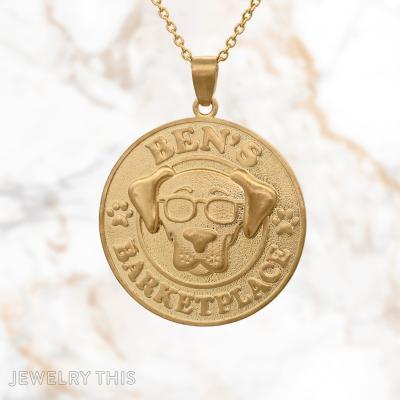
This exquisite custom pendant embodies a heartfelt story, capturing the spirit and personality behind the ...

This 14karat White gold pendant holds deep personal significance. The pendant showcases three round gemstones. ...
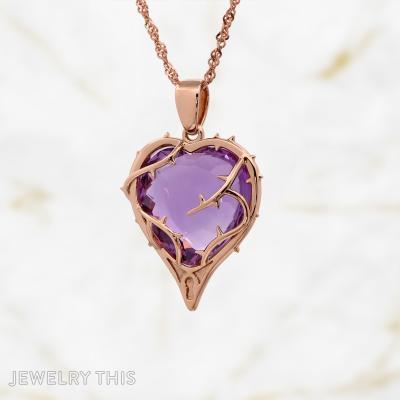
This exquisite heart-shaped pendant captures a unique blend of romantic elegance and gothic allure. Crafted ...
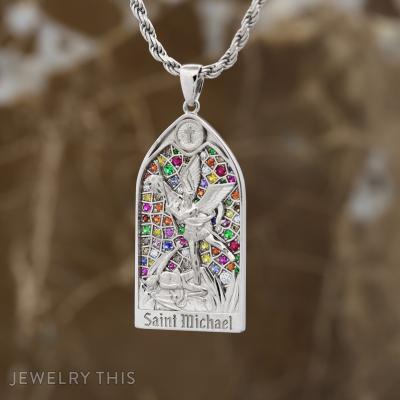
This pendant reimagines a stained-glass window in miniature: an arched white gold frame holds a ...

Created in response to the client’s rebranding efforts, this medal reflects the updated design of ...



