


Elk Head & Crossed Axes Pendant — Silver Norse Design
$$
Sterling silver
J. wanted a pendant that captured both his love of Norse mythology and the outdoors, and sent in a hand-drawn sketch of crossed axes, an elk head, and a protective rune to get the idea across. The design shifted from a flat cut-out to a dimensional raised design on a solid round pendant after he saw the first sketch and reconsidered the look he actually wanted. When it arrived, he wrote: "Its amazing, I love it so much!"
'Its amazing, I love it so much! Thank you for the great work, and I'll be sure to come to you guys for my next piece.' — on delivery
Quick specs
Design type
Primary Metal
Primary Stone
Accent Stones
Design Complexity
Intent: Certainty
Size
Pendant approximately 1in (25mm) diameter; round shape.
How they made it distinctive
-
01
Elk head combined with crossed axes to merge Norse mythology with an outdoors theme in a single design
-
02
A protective rune worked subtly into the antlers rather than as a standalone symbol
-
03
Raised, dimensional design chosen over a flat cut-out after the client reconsidered the look mid-process
-
04
Matte-finished background paired with a polished raised center specifically to make the dimensional design stand out
-
05
Sized at roughly 1 inch to be noticeable without being described as flashy or oversized, matching the client's preference for subtlety
How you'd make it yours
Stone: this piece has no gemstone; a new commission could add one to a larger flat area like a bail or axe blade
Metal: this piece is sterling silver; the same raised design works in 10k, 14k, or 18k gold in yellow, white, or rose tones
Finish: this piece uses a matte background with a polished center; a new piece could reverse that or go fully polished
Symbol: the specific rune and animal subject can be swapped for a different rune, animal, or symbol with similar meaning
One of a kind: this exact pendant was designed for one client and is not reproduced — a new commission is an original piece inspired by this one, not a copy
Design changes made
The piece changed from a 3D cut-out design to a raised design on a solid round pendant after the client reviewed the first technical sketch and decided he preferred a solid background. A planned gemstone in one of the elk's eyes was also dropped once the eyes proved too small to hold a stone.
Who this is for
This piece is for someone who wants a symbol-driven pendant that reads as subtle rather than flashy — something they can wear every single day without it feeling like a statement piece. It's especially right if you're drawn to Norse or outdoor imagery but want it rendered with clean, rounded lines rather than jagged or aggressive detailing.
How it's made
Once the design was approved, a 3D-printed wax model of the pendant was attached to a wax tree and set into a flask. The flask was placed in a kiln, where the wax was burned out to leave a hollow mold in its place. Molten sterling silver was then poured into that mold and allowed to cool before the raw piece was removed for finishing.
After casting, the pendant was cleaned and polished to remove any rough edges from the casting process. The outer rim and bail were brought to a high polish, while the flat background surrounding the elk head and axes was given a matte finish specifically to help the raised, dimensional center stand out. The elk head, antlers, and crossed axes were left polished and dimensional against that matte backdrop, creating contrast without any added gemstones.
Key note
The matte background and polished raised design were a deliberate two-finish combination, applied specifically so the dimensional elk-and-axes center would stand out rather than blend into the surrounding metal.
Pricing guidance
A dimensional pendant of this size and detail level in sterling silver sits toward the lower-to-mid range for custom 3D pendant work. Most of the cost comes from the 3D modeling and casting required to achieve a raised, sculptural design rather than a flat engraving. Metal choice and the addition of gemstones are the main variables that move the price from there.
Moves price up ↑
- ↑ Upgrading from sterling silver to 10k or 14k white or yellow gold
- ↑ Adding a gemstone, such as an emerald or sapphire, set into the design
- ↑ Increasing the pendant size beyond 1 inch, which requires more metal and modeling detail
- ↑ Adding additional dimensional elements or a more intricate antler/rune pattern
Moves price down ↓
- ↓ Choosing a flat engraved design instead of a raised 3D design
- ↓ Reducing the pendant size to under 1 inch
- ↓ Leaving the background polished rather than adding a matte finish step
- ↓ Omitting the bail customization and using a simpler loop
Questions people ask
Yes, sterling silver (.925) is a durable choice for daily wear, though it is softer than gold and can show scratches over time with heavy use. It does tarnish gradually when exposed to air and moisture, but regular wear and occasional polishing actually help keep it bright since the natural oils on skin can slow tarnishing. For a pendant like this with a mix of polished and matte surfaces, light polishing cloths work well on the raised polished areas without disturbing the matte background. Most people wear sterling silver pendants daily for years without issue.
A raised (or dimensional) design keeps a solid metal background and builds the design up from that surface, giving it depth and a sculptural quality. A cut-out design removes the background metal entirely around the design, leaving only the shape itself with open space where the background would be. Raised designs tend to feel sturdier for daily wear since there's no open metalwork that could bend or catch on clothing. The choice usually comes down to whether you want the design to stand alone (cut-out) or sit on a solid base (raised).
A dimensional sterling silver pendant around an inch in size, with raised detail and a matte-and-polish finish combination, generally sits toward the lower-to-mid range for custom 3D pendant work. The main cost driver is the 3D modeling and casting work needed to create a raised, sculptural design rather than a flat engraved one. Choosing a higher-karat metal or adding gemstones will increase the cost from there. Pricing is typically quoted after an initial 3D sketch is approved, since the exact design affects the metal weight required.
The design phase typically takes about a week, during which a technical sketch and then a photorealistic render are shared for approval and adjustment. Once the design is approved, production — casting, cleaning, polishing, and finishing — generally takes three to four weeks. So the full process from approved design to a finished piece in hand usually runs around a month. Rush timelines are possible in some cases but are not the standard process.
It depends on the scale of the feature where the stone would sit. On a pendant around an inch in size, small details like an eye are often too small to safely hold a faceted gemstone, which is why gemstones are sometimes better suited to larger, flatter areas like a bail or a cross-axe blade. A designer will typically flag this during the technical sketch stage before production begins, so adjustments can be made early. If a stone doesn't fit the detail you originally wanted, it can usually be repositioned elsewhere in the design or left out entirely without compromising the overall look.
A matte finish scatters light rather than reflecting it directly, giving the surface a soft, non-shiny look, while a polished finish is mirror-bright and reflects light sharply. Combining both on one piece — matte background, polished raised design — creates visual contrast that helps a dimensional design stand out more than an all-polished piece would. Matte finishes also tend to show fingerprints and minor scratches less than high polish. Over time, a matte finish can be restored by a jeweler if it starts to pick up a slight shine from handling.
Yes, a raised dimensional design like this can be cast in 10k, 14k, or 18k gold in yellow, white, or rose tones, using the same wax-casting process used for silver. Gold is generally more durable over time than sterling silver and does not tarnish, though it does cost more per gram. The design itself does not need to change to move between metals — only the casting metal and resulting price change. Many custom pieces start in a sketch phase before the final metal is chosen, which allows the cost to be compared across options before committing.
Runes are characters from historic Germanic alphabets, and specific runes carry specific traditional meanings tied to Norse and Germanic folklore. Clients who request a specific rune in a custom design are usually intentional about incorporating its particular meaning into the piece. A jewelry designer can incorporate a named rune into a larger design, such as working it into an animal's antlers or body, as a way of layering symbolism without it being the sole focal point. The exact meaning behind a specific rune choice is personal to the person who selects it.
Explore Similar Creations
Every masterpiece starts with a spark. Explore how our clients raw ideas - sketches, heirlooms, inspirations - were transformed into bespoke works of arts.
This unique 18″ sterling silver necklace is inspired by the playful form of a tassel ...

This white gold pendant displays exquisite beauty and heartfelt significance. Suspended gracefullly from a delicate ...

This minimalist gold pendant is a simple yet elegant design, featuring the word ‘Just’ in ...
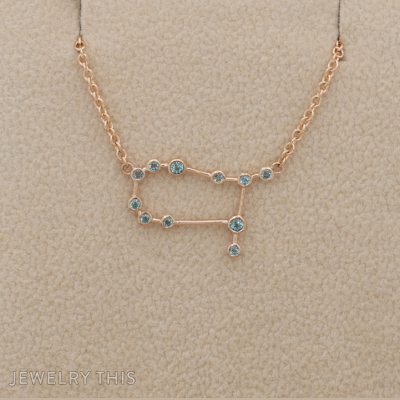
This custom pendant beautifully captures the Gemini constellation in elegant 14k rose gold, adorned with ...

This oval-shaped marvel commemorates the journey of engagement. At its core lies a captivating tableau: ...

This gold pendant embraces the fusion of modern design with personal identity. The logo-style initials ...
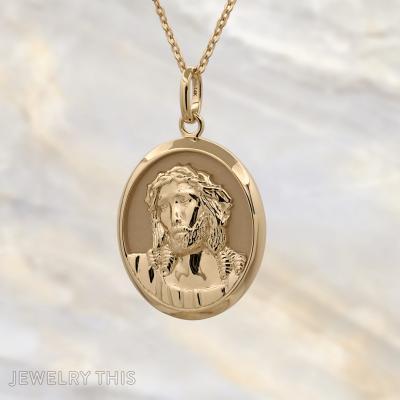
This pendant is a deeply personal expression of devotion—an heirloom of faith and gratitude, lovingly ...

Circular 14k yellow gold pendant featuring client’s logo. Size of pendant: 1 inch

This custom pendant is a heartfelt tribute to the beloved family pet, Dezi. Crafted with ...

This pendant combines a treble clef and a heart into a single continuous cut-out line, ...

This striking custom pendant is an emblem of strength and resilience. Crafted from black rhodium-plated ...




