


Dragon & Rhino Martial Arts Emblem Pendant in Silver
$$
Sterling silver, rhodium plating, ruby, lab diamond
R. wanted his black belt logo turned into a pendant he could actually wear, not just a patch on a uniform. He worked with the design team through a sketch and two render options before choosing the version with a ruby dragon eye and a lab diamond beast eye, and asked for a second pendant to be made alongside the first. When they arrived, he wrote simply: 'I like them. Thank you.'
'I like them. Thank you.' — on delivery
Quick specs
Design type
Primary Metal
Shape / Cut
Primary Stone
Accent Stones
Design Complexity
Intent
Intent: Certainty
Size
Pendant approximately 1.5–2in diameter. Two pendants produced from the same design.
How they made it distinctive
-
01
Yin-yang composition of a dragon and beast head translates a black belt logo into a dimensional, sculptural pendant rather than a flat emblem
-
02
Ruby set into the dragon's eye and a lab diamond set into the beast's eye add two points of color and sparkle to the raised relief
-
03
Black belt knot detail anchors the bottom of the design, keeping the piece tied to its martial-arts origin
-
04
Two-tone enamel fill — black outer ring and red background — gives the raised metalwork contrast and depth
-
05
Produced as two identical pendants from a single approved design
How you'd make it yours
Metal: this piece is sterling silver with rhodium plating; a new commission could use 14k or 18k white gold for a heavier, more tarnish-resistant piece
Stones: this piece uses a ruby and a lab diamond as eye accents; a new commission could use sapphire, cubic zirconia, or other small stones
Enamel colors: this piece uses black and red; a new commission could use different color combinations depending on what the logo calls for
Size: this piece was made at 1.5–2 inches; a new commission could be sized larger or smaller depending on the wearer's preference
One of a kind: this exact pendant was designed from one client's logo and is not reproduced — a new commission is an original piece inspired by this one, not a copy
Design changes made
The client asked whether the dragon could be rendered in green but agreed to keep the original color scheme once told the level of detail made that impractical. He also switched from the first render option to a second version with a ruby dragon eye, a clear stone beast eye, and black rhodium plating on the beast.
Who this is for
This piece is for someone who has earned a rank, title, or symbol that matters to them and wants to wear it rather than just display it. It's especially right if you have a meaningful logo or emblem — martial arts, athletic, or personal — and want it translated into something dimensional and wearable rather than a flat reproduction.
How it's made
Once the sketch and 3D render were approved, a resin model was 3D-printed as the first physical version of the pendant — shared with the client as a production preview before casting. The resin was then used to create an investment mold, and molten sterling silver was cast into the hollow cavity to form the raw pendant. Because two identical pendants were ordered, both were cast from the same approved model.
After casting, the piece was cleaned up and prepared for its multiple finish zones: the raised dragon and beast heads were polished to a bright silver finish, the outer ring was filled with black enamel, and the background was filled with red enamel to create contrast against the raised metalwork. The ruby was set into the dragon's eye and the lab diamond into the beast's eye by hand, and a rhodium plating was applied over the silver to improve durability and shine.
Key note
The high level of raised detail in the dragon and beast heads was the reason the design could not be finished in colored (green) metal — the enamel and rhodium sequence used instead only works cleanly on the natural silver-tone relief.
Pricing guidance
A sculptural enamel pendant like this — with raised dual-figure relief, two-color enamel fill, and two set stones — sits in the mid range for custom pendant work. Most of the cost comes from the hand-finishing required for the raised detail and the multi-step enamel process, not from the metal or stone value. Producing a second identical pendant from the same approved design costs less than the first, since the design and modeling work is already done.
Moves price up ↑
- ↑ Upgrading from sterling silver to 14k or 18k white gold
- ↑ Adding more enamel colors or finer detail requiring additional hand-painting steps
- ↑ Using a larger natural ruby or a higher-clarity diamond instead of a small accent stone
- ↑ Increasing the pendant size beyond 2 inches, which adds metal and finishing time
- ↑ Ordering a single piece rather than multiples, since design costs aren't shared
Moves price down ↓
- ↓ Choosing cubic zirconia or synthetic stones instead of a natural ruby and lab diamond
- ↓ Reducing the pendant to a single-color enamel treatment
- ↓ Simplifying the design to one figure instead of two raised heads
- ↓ Choosing engraved flat detail instead of raised, dimensional relief
- ↓ Ordering additional identical pendants, which share the design and modeling cost
Questions people ask
Yes, a logo or emblem like a martial arts belt design can be recreated as a dimensional pendant rather than a flat patch. The process starts with a sketch based on the original artwork, followed by a 3D render so you can review the proportions and color scheme before anything is cast. Raised, sculptural detail like a dragon or animal head can be combined with enamel fill and small accent stones for contrast. The finished piece reads as jewelry rather than a reproduction of the original logo.
Sterling silver on its own can tarnish over time with air and moisture exposure, but a rhodium plating creates a hard, reflective barrier that significantly slows this process. With normal wear, a rhodium-plated silver piece will typically hold its bright finish well for one to two years before any fading becomes noticeable. Re-plating is a simple service most jewelers can perform when the finish eventually dulls. Avoiding prolonged water exposure, like swimming or bathing, will extend the time between replating services.
A rhodium-plated sterling silver pendant can handle incidental water exposure like rain or hand-washing without immediate damage, but it is not designed for prolonged submersion, such as swimming or long showers. Frequent water and moisture exposure will accelerate wear on the rhodium plating and the enamel fill over time. For daily wear, the piece will hold up well with normal care, but the enamel areas should be treated gently and not scrubbed. Removing the pendant before swimming or heavy exercise will help it keep its finish longer.
A sculptural pendant with raised dual-figure detail, two-tone enamel, and two set accent stones sits in the mid range for custom pendant work. The primary cost driver is the labor involved in modeling and finishing the raised relief and applying multiple enamel colors by hand, not the metal itself. Adding a second identical pendant from the same design costs less than the first, since the modeling and design work only needs to happen once. Simpler treatments, like flat engraving instead of raised relief, would bring the cost down significantly.
The design phase for a piece like this — sketch, 3D model, and render approval — typically takes about a week. Once the design is approved and production begins, casting, enamel work, and stone setting usually take three to four weeks to complete. Ordering more than one identical piece at the same time does not significantly extend this timeline, since both pieces are cast and finished together. Rush timelines are possible in some cases but should be discussed with the design team upfront.
Yes, small accent stones like a ruby or a lab diamond can be set into detailed areas such as an animal's eye on a raised pendant design. Lab diamonds are chemically identical to natural diamonds and are a common choice for small accent stones because they offer the same brilliance at a lower cost. A natural ruby adds genuine color and durability, rating a 9 on the Mohs hardness scale, making it a practical choice even at a small size. The stones are set by hand after casting and enamel work is complete.
Enamel and plating colors can often be adjusted, but the level of raised detail in a design affects what's realistically achievable. On a highly detailed piece, like a dragon with fine scale and mane texture, switching to certain colors such as green may not translate well given the depth of the carving. Simpler, less detailed areas of a design have more flexibility for color changes. It's worth discussing color options with the design team once the level of detail in the render is visible, since some combinations work better than others on raised relief.
Explore Similar Creations
Every masterpiece starts with a spark. Explore how our clients raw ideas - sketches, heirlooms, inspirations - were transformed into bespoke works of arts.
This pendant was lovingly recreated for a client who wanted to preserve the spirit of ...

This memorable 10k yellow gold pendant is the perfect way to honor a beloved father. ...

This sterling silver pendant showcases a beautifully customized U-shaped top accompanied by a dangling number ...
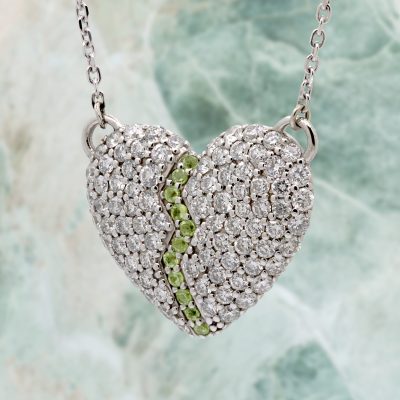
A broken heart pendant pave set with VS1 lab created diamonds with peridot gemstones in ...

This custom pendant is a captivating blend of elegance and simplicity. Crafted in yellow gold, ...

This custom pendant is a unique celebration of a special relationship, expertly crafted in yellow ...

14k yellow gold pendant with relief style viking wolf design on one side and engraved ...

This magnificent white gold circular pendant embodies the essence of faith, love and protection. At ...

Illuminate your style with this captivating custom pendant, a celestial symphony in sterling silver. The ...

This elegant 14karat yellow gold pendant features the name of a loved one displayed in ...

This sterling silver pendant brings together three separate symbols the client wanted to wear as ...

This custom pendant features a distinctive cross design with a pyramid-inspired aesthetic. The cross is ...



