

Yellow Diamond Halo Band — Low-Set Five-Stone Ring
$$$
14k yellow gold, color-enhanced yellow diamonds, lab-grown diamonds
M. came to us wanting a yellow gold ring with a row of daisy-like clusters after his partner referred him to the team. He specifically asked for the stones to sit low because she works with her hands and snags tall-set diamonds on everything. The final adjustment lowered the yellow diamonds and flush-set the surrounding halo stones so the ring could keep up with her daily work.
'That is perfect!' — on final design approval
Quick specs
Design type
Primary Metal
Shape / Cut
Primary Stone
Accent Stones
Style
Design Complexity
Intent: Certainty
Size
Ring size 7 US (17.32mm). Five 3mm round stones set in a row.
How they made it distinctive
-
01
Five yellow diamond clusters set low specifically because the wearer works with her hands and snags tall-set stones
-
02
Halo diamonds flush-set into the metal rather than raised, eliminating catch points for daily hands-on wear
-
03
Transition between the plain shank and the clustered section smoothed after the first render for comfort
-
04
Color-enhanced yellow diamonds chosen over sapphire for a richer, more saturated color match to the daisy-inspired reference
How you'd make it yours
Center stone: this piece uses color-enhanced yellow diamonds; a new commission could use natural fancy diamonds or yellow sapphire for a different color depth
Metal: this piece is 14k yellow gold; the same cluster design works in 18k yellow gold or white gold with selective rhodium accents
Stone count: this piece uses five clusters; a new piece could use three or seven depending on band length preference
Setting height: this piece is set low and flush for hands-on wear; a new piece could use a raised halo for more light performance if daily durability isn't a concern
One of a kind: this exact ring was designed for one client's partner and is not reproduced — a new commission is an original piece inspired by this one, not a copy
Design changes made
After the first render, the transition where the diamond cluster meets the plain band was smoothed, and the stone height was lowered across the piece — both changes made because the wearer's hands-on work made snagging a real concern.
Who this is for
This is for someone who wants noticeable color and sparkle but refuses to baby their jewelry — someone whose hands are busy all day and who has snagged a ring on something before. It's especially right if you've been told to size down or avoid stone settings because of how you use your hands, but don't want to give up a piece with real presence.
How it's made
Once the design was approved, a 3D-printed wax model was created and mounted to a wax tree, then invested in plaster and fired in a kiln to burn out the wax and leave a hollow mold. Molten 14k yellow gold was cast into the mold, cooled, and then removed from the tree for cleanup and finishing. A resin printout was shared with the client beforehand so he could preview the piece's form ahead of casting.
After casting, the band was cleaned, polished, and the transition between the plain shank and the clustered halo section was smoothed for comfort. The five center diamonds were set low into their mounts per the client's request, and the small round accent diamonds were set flush into the metal surrounding each center stone so no stone sits high enough to catch on fabric or tools.
Key note
The small halo diamonds are flush-set directly into the metal rather than raised in prongs, specifically so the surrounding stones sit level with the band surface.
Pricing guidance
A yellow gold cluster band with five color-enhanced fancy diamonds and a colorless diamond halo sits in the mid range for custom rings of this complexity. Most of the cost comes from the number of individually set stones and the labor to set each halo flush against the band. Diamond color source and stone count are the biggest levers on price from there.
Moves price up ↑
- ↑ Using natural fancy yellow diamonds instead of color-enhanced stones
- ↑ Increasing the halo diamond count or size around each center stone
- ↑ Upgrading from 14k to 18k gold
- ↑ Adding a matching wedding band to complete a two-piece set
- ↑ Extending the cluster pattern fully around the band
Moves price down ↓
- ↓ Using yellow sapphires in place of yellow diamonds for the center stones
- ↓ Reducing the number of center stone clusters from five to three
- ↓ Choosing a plain halo without the flush-set diamond surround
- ↓ Using a single larger center stone instead of five smaller clusters
- ↓ Selecting a thinner band profile to reduce metal usage
Questions people ask
The yellow diamonds in this style are typically color-enhanced through a permanent high-pressure high-temperature process rather than being naturally colored. This process is standard in the industry and the resulting color is permanent — it will not fade or change with wear. Naturally occurring fancy yellow diamonds exist but are significantly rarer and more expensive than color-enhanced stones. Yellow sapphire is sometimes offered as an alternative, though it produces a lighter, less saturated color than a yellow diamond.
No — flush setting (also called gypsy setting) is one of the more secure ways to set a small diamond because the surrounding metal is pushed over the stone's edge on all sides rather than relying on raised prongs. It's a common choice specifically for pieces meant for daily or hands-on wear, since there's nothing raised to catch or bend. The tradeoff is that flush-set stones show a bit less light from the side profile compared to a prong setting, but the security gain is worth it for active wear.
Yes, the same cluster design translates well to white gold, though the contrast between the yellow center stones and the metal will look different — yellow diamonds tend to stand out more dramatically against white gold than against yellow gold. Rhodium plating, the same white finish used on all white gold jewelry, can also be applied selectively to small areas if a mixed-metal look is wanted. The band itself, structurally, does not need to change to accommodate either metal choice.
14k gold is a solid choice for hands-on wear — it's more durable than higher-karat gold and holds stones more securely than 10k, which can be too brittle for stone-set pieces. Setting the stones low and flush, as was done on this ring, is the single biggest factor in daily durability because there's no raised edge to bend or catch. With that said, any ring with a set stone benefits from being removed for heavy manual labor like weightlifting or yard work, just as a precaution.
A cluster ring with five center stones, each surrounded by a small diamond halo, sits in the mid range for custom rings because of the labor involved in individually setting so many small stones. The center stone choice — color-enhanced yellow diamond versus natural fancy color versus sapphire — is one of the largest cost variables. Gold karat and the total diamond count around each cluster also move the price meaningfully.
The design phase — sketch, 3D model, and rendered preview for approval — typically takes about a week, though revisions like adjusting stone height can add a few more days. Once the design is approved and production begins, casting, stone setting, and finishing usually take four to six weeks. A ring with multiple individually set stones, like this one, is on the more labor-intensive end of that range but still falls within a standard timeline.
Yes — this is a common request for people who work with their hands or simply don't like the feel of a raised stone. The center stones can be seated deeper into their mounts, and surrounding accent stones can be flush-set directly into the metal so the whole cluster sits closer to the band surface. It does require more hand-finishing than a standard raised halo, but it significantly reduces the chance of snagging on gloves, tools, or fabric.
For small accent diamonds like the ones surrounding each center stone here, lab-grown and natural diamonds are chemically and visually identical — there's no difference visible to the eye at that size. Lab-grown diamonds cost meaningfully less, which is why they're a common choice for accent stones where the savings can be put toward the center stones or metal quality instead. The decision mostly comes down to personal preference about origin rather than any visible or durability difference.
Explore Similar Creations
Every masterpiece starts with a spark. Explore how our clients raw ideas - sketches, heirlooms, inspirations - were transformed into bespoke works of arts.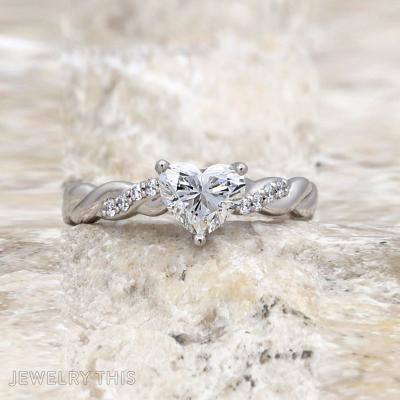
This engagement ring centers on a one-carat heart-shaped lab diamond, held in a four-prong setting ...

This custom jewelry ring is a true masterpiece that combines timeless elegance with contemporary flair. ...

This platinum engagement ring set began as a single, structurally compromised ring — a thin ...

Introducing a stunning 14k white gold ring with a Spider Web design, featuring small colorless ...

These two sterling silver rings are a beautiful and thoughtful gift for the client’s son. ...

This exquisite platinum bypass ring is the perfect way to commemorate 22 years of marriage. ...

This exquisite 14k yellow gold 5mm men’s wedding band has been crafted to perfection and ...

This elegant yellow gold ring guard is designed to enhance an existing solitaire engagement ring ...
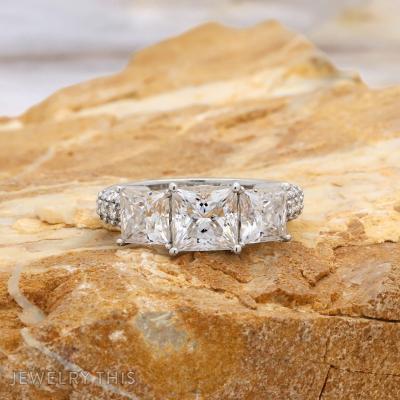
This white gold ring is a radiant design that beautifully balances elegance with personal meaning. ...

This custom ring is a sentimental piece of jewelry that holds a very special meaning. ...

This captivating set of rings is designed to symbolize unity and individuality. One ring is ...

This Yellow gold ring is a celebration of beauty and craftsmanship. At its heart lies ...