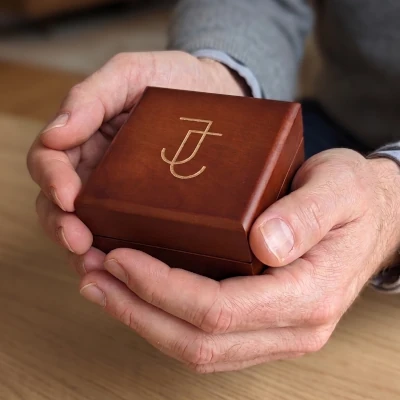


Oval Diamond Ring with Sapphire Marquise Clusters
$$$
Platinum, lab diamond, natural sapphire
J. spent months working through an ambitious wildflower design with rings of petals in alternating gemstones, before learning his partner works hands-on with young children daily and prefers a cleaner, less delicate silhouette. The design evolved into a three-marquise sapphire cluster on each side of an oval lab diamond, refined repeatedly for proportion, color contrast, and comfort on her small hands. When it arrived, he wrote: 'I love it. It is beautiful, and deeply meaningful.'
'I love it. It is beautiful, and deeply meaningful.' — on delivery
Quick specs
Design type
Primary Metal
Shape / Cut
Primary Stone
Design Complexity
Intent: Certainty
Size
Ring size 4.5 US. Center stone 1.05ct oval. Six marquise/round accent stones per side arrangement (3 marquise + 2 round each side), total configuration symmetric.
How they made it distinctive
-
01
Marquise sapphire clusters chosen over a many-petaled wildflower design after learning the wearer works hands-on with children daily and needed a lower, cleaner profile
-
02
Round accent stones changed from blue diamond to colorless diamond late in the design process specifically to create clearer visual separation between the two stone shapes in the cluster
-
03
Platinum selected over white gold for its natural white color and lower long-term maintenance, since it never needs rhodium replating
-
04
Marquise stones set edge-to-edge with no visible gaps between them, a deliberate choice to keep the cluster looking clean rather than sparse
-
05
Accent sapphires re-sourced late in production because the first-cut stones didn't match closely enough in cut quality across the cluster
-
06
Short inside-band engraving with a heart and infinity symbol added as a personal detail without disrupting the ring's low profile
How you'd make it yours
Stone type: this piece uses a lab diamond center — a new commission could use a natural diamond, moissanite, or a colored center stone instead
Accent stones: this piece uses blue sapphire marquise stones with diamond rounds — a new design could use different colored stones or a single stone type throughout
Metal: this piece is platinum — the same cluster design language works well in white gold for a different budget and maintenance profile
Cluster size: this piece uses three marquise plus two round stones per side — a new commission could use fewer or more stones depending on hand size and desired scale
Engraving: the inside of the band can carry a different short phrase, symbols, or initials on a new piece
One of a kind: this exact ring was designed for one client's specific hand size and preferences and is not reproduced — a new commission is an original piece inspired by this one, not a copy
Design changes made
The original 8–10 petal wildflower concept was replaced with a simpler oval-diamond-plus-cluster design after the client learned his partner preferred a lower-profile ring for her hands-on work with children. The accent stone plan also shifted from alternating yellow and blue sapphire to blue sapphire marquise stones paired with small round diamonds, for better color distinction and durability.
Who this is for
This piece is for someone who wants a design with real symbolic meaning but needs it to hold up to hands-on daily life — teaching, caregiving, or any work where a ring gets bumped constantly. It's especially right if you love the idea of a nature-inspired or floral design but want it translated into something cleaner and lower-profile rather than literal. This suits a couple willing to go through several rounds of refinement to get proportions and color contrast exactly right.
How it's made
Once the cluster design was finalized in the 3D model, a resin model was 3D-printed and shared with the client to preview the piece before casting. The resin was attached to a wax tree, invested in plaster, and fired in a kiln to burn out the pattern, leaving a mold. Molten platinum was then cast into the mold under pressure to form the raw ring, which was extracted, cleaned, and prepared for stone setting.
The oval lab diamond was set first at the center, followed by the marquise sapphires and round diamonds set in matched clusters on each side — the marquise stones set to sit flush against one another with no visible gaps, minimizing metal show between stones. After setting, the ring was polished to a bright platinum finish, and a short inside-band engraving with a heart and infinity symbol was added as the final step before shipping.
Key note
The marquise sapphires were re-sourced from the cutter late in production because the first-cut stones didn't match the rest of the cluster closely enough in cut quality — a color- and cut-matching pass most cast pieces don't require.
Pricing guidance
A platinum engagement ring with a lab diamond center and multiple accent stone clusters sits toward the mid-to-upper range for custom engagement rings of this complexity. Much of the baseline cost comes from the platinum itself and the labor of hand-setting six small accent stones per side in matched clusters. Center stone choice — lab versus natural, and carat weight — is the single biggest lever on total cost.
Moves price up ↑
- ↑ Choosing a natural mined diamond instead of a lab-grown diamond for the center stone
- ↑ Upgrading from platinum to a higher-labor two-tone metal combination
- ↑ Increasing the number of accent stones per cluster beyond five
- ↑ Selecting a larger center stone carat weight
- ↑ Requesting custom-cut marquise stones for tighter color or size matching
Moves price down ↓
- ↓ Choosing a lab-grown diamond over a natural diamond for the center stone
- ↓ Switching from platinum to white gold, which is less expensive per gram
- ↓ Reducing the accent cluster to three stones per side instead of five
- ↓ Using a smaller center stone carat weight
- ↓ Simplifying the accent stones to a single stone type instead of two
Questions people ask
Platinum is one of the most durable metals used in fine jewelry and is naturally white, so it never needs replating the way white gold does. It will develop a soft patina over years of daily wear, which many people like, and a jeweler can polish it back to a brighter finish at any time. It's heavier than white gold and holds prongs very securely, which matters for a ring worn by someone who is active with their hands. This makes it a strong choice for teachers, parents, or anyone whose job involves a lot of hand contact.
Lab-grown and natural diamonds are chemically and optically identical — even a trained gemologist needs specialized equipment to tell them apart. The difference is origin: one forms in a lab over weeks, the other forms underground over millions of years. Lab-grown diamonds typically cost a fraction of natural diamonds at the same carat, color, and clarity grade. Neither option holds investment value in the way people sometimes assume — jewelry is rarely a resale investment regardless of the stone's origin.
Yes, marquise stones can be set close enough that their points nearly touch, creating a continuous cluster with minimal visible metal between them. This requires precise prong placement since each stone still needs secure mechanical support. The tradeoff is that very small stones set this tightly can start to visually blend together, especially without color or size contrast between them. Using two different stone shapes or colors within the cluster, as this design does, helps keep the individual stones distinguishable.
A ring like this, combining a lab diamond center with two clusters of sapphire and diamond accents in platinum, falls in the mid-to-upper range for custom engagement rings. The platinum itself carries a higher material cost than gold, and hand-setting multiple small accent stones in a symmetrical cluster adds meaningful labor time. Center stone choice has the single largest effect on total cost — lab versus natural diamond alone can shift the price dramatically at the same carat weight.
A design of this complexity typically takes about a week to finalize in the 3D model stage, followed by roughly four weeks of production once the design and center stone are approved. Complications like re-sourcing accent stones for a better color match, as happened with this ring's sapphires, can add a few extra days. Engraving is usually done just before final stone setting, so it needs to be finalized before that stage begins. Total turnaround from deposit to shipping is typically five to six weeks for a standard timeline.
Sapphire is one of the most durable gemstones available, ranking just below diamond in hardness, which makes it an excellent choice for daily-wear accent stones. It resists scratching far better than softer blue stones like aquamarine or blue topaz, which was a deciding factor in this design. This durability matters most for people who work with their hands often, since accent stones in a ring are more exposed to knocks than a bezel-set solitaire would be. Sapphire also holds its color well over time, unlike some treated stones that can fade.
Yes, though it's often better to wait until the engagement ring has been worn for a while before finalizing a wedding band design. A band can be designed to sit flush against a cluster-style engagement ring, or it can carry its own design element — like a twist detail — that complements rather than duplicates the engagement ring. Waiting also lets the wearer discover in practice whether they want the wedding band to be plain, textured, or set with stones. Matching metal is common but not required; many couples intentionally mix metals between the two rings.
Yes, inside-band engraving is a standard option on most custom rings, though the available character count is limited by the width of the band — narrower bands fit fewer characters. Engraving is typically done as one of the last steps before final polishing and stone setting is completed, so the text needs to be finalized before that point in production. Basic symbols like hearts and infinity signs can usually be included alongside letters and numbers, though ornate fonts are avoided on narrow bands because they don't reproduce clearly at a small scale. Simpler designs read more clearly once engraved.
Explore Similar Creations
Every masterpiece starts with a spark. Explore how our clients raw ideas - sketches, heirlooms, inspirations - were transformed into bespoke works of arts.
Elegance meets heritage in this 14k white gold art deco-inspired ring. The centerpiece, a cherished ...

This elegant white gold engagement ring showcases a radiant-cut diamond at its center, exuding brilliance. ...

Introducing this Nature Lover’s Engagement Ring. The ultimate dream engagement ring for nature lovers. Crafted ...

Introducing our captivating twist on a classic style, the 2.13 carat Emerald Cut Lab Created ...
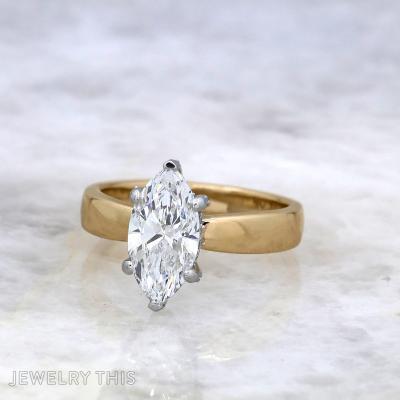
This stunning yellow gold engagement ring masterfully blends traditional warmth with modern brilliance. The centerpiece ...

This 18karat yellow gold engagement ring exudes elegance and vintage charm. At the heart of ...

This ethereal engagement ring is a masterpiece of gothic-inspired botanical design, meticulously crafted from white ...
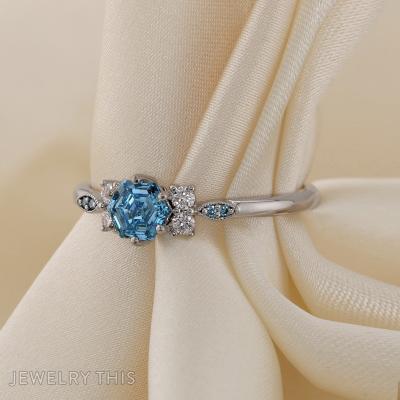
This engagement ring was designed to echo the look of a piece that belonged to ...

This wedding ring reimagines a rose in metal, with the center stone nestled inside sculpted ...

This elegant rose gold engagement ring features a round brilliant-cut moissanite as its centerpiece. Surrounding ...
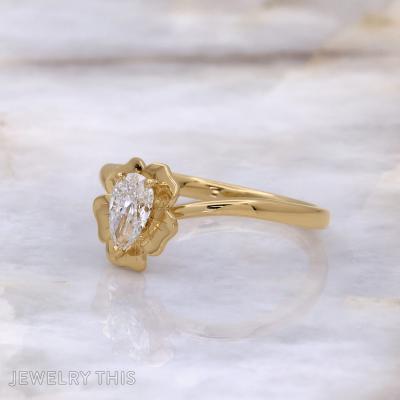
The Golden Bloom Ring Commissioned as a second chance to perfectly capture a client’s heartfelt ...
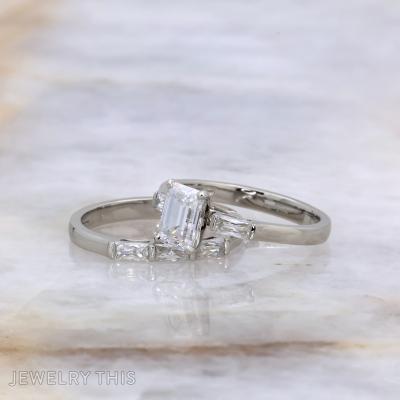
This exquisite platinum engagement ring and wedding band set features a stunning 1-carat emerald-cut moissanite ...