


Ancient Roman-Style Sapphire Cabochon Ring in 18k Gold
$$$$
18k yellow gold, natural sapphire
A client wanted to recreate an ancient Roman-style ring she had long admired, choosing a teal-blue sapphire cabochon to capture the color and cut of the original as closely as possible. She reviewed multiple stone options across weeks — comparing carat weight, shape, and color under different lighting — before selecting a 3.48-carat oval sapphire that matched the Mediterranean-sea tone she was after. When it arrived, she wrote: "It is so incredibly beautiful! I love it so much!"
'AHHHHH OMG it looks gorgeous!!! I love it so much!' — on seeing finished piece photos before shipping
'The ring was just delivered! It is so incredibly beautiful! I love it so much! Thank you for such a gorgeous creation!' — on delivery
Quick specs
Design type
Primary Metal
Shape / Cut
Primary Stone
Accent Stones
Design Complexity
Intent: Certainty
Size
Ring size 5¾ US (16.31mm). Center stone 9.5mm x 7.5mm oval cabochon, 3.48ct. Band width 3mm.
How they made it distinctive
-
01
Oval sapphire cabochon selected after reviewing multiple stones on video, in different lighting, to match a specific Mediterranean-toned blue-green
-
02
Bezel edge intentionally hand-hammered and irregularly finished to evoke an ancient, handmade character rather than a crisp modern edge
-
03
Milgrain detailing added along the bezel to echo historic jewelry techniques
-
04
Band designed to meet cleanly underneath the bezel, refined after client feedback on the first render
-
05
Grooved, slightly concave band profile with a textured edge inspired by an ancient reference piece
How you'd make it yours
Stone: this piece uses a natural sapphire cabochon; a new commission could use tourmaline, moonstone, or garnet for a different color or price point
Metal: this piece is 18k yellow gold; the same antiqued bezel design works in 14k gold or platinum
Bezel finish: the hand-hammered, textured edge can be made smoother and more polished on a new piece, or kept irregular for an aged look
Band profile: the grooved, concave shape with textured edges could be simplified to a plain rounded band on a new commission
One of a kind: this exact ring was designed around one specific hand-selected sapphire for one client and is not reproduced — a new commission is an original piece inspired by this one, not a copy
Design changes made
Two small gold dots flanking the center stone in the original render were removed at the client's request, and the band was adjusted to meet cleanly underneath the bezel rather than swooping up its sides. Both changes were made after the client reviewed the 3D model and asked for a closer match to her vision.
Who this is for
This piece is for someone who wears rings every day and wants one with real weight and history behind it, not just a passing trend. It's especially right if you're drawn to ancient or antique design language and want a stone chosen with real care — reviewed in different lighting, compared against several options — rather than picked from a catalog photo.
How it's made
Once the design and stone were finalized, a 3D digital model was built around the exact dimensions of the selected sapphire, then printed as a resin model to confirm proportions before casting. That resin was used to create a wax pattern, which was invested in plaster and fired in a kiln to burn out the wax and leave a hollow mold. Molten 18k yellow gold was then cast into the mold under pressure to form the raw ring.
After casting, the piece was cleaned and the bezel wall was hand-hammered down over the edge of the stone to secure it, then finished with an irregular texture to give it an aged, ancient-inspired character rather than a machine-smooth edge. The band's textured edges were filed and finished to keep a flatter profile alongside the grooved center channel, and the sapphire cabochon was set last, once all other metalwork and polishing were complete.
Key note
The bezel's edge is intentionally hand-hammered and irregularly finished after casting, rather than left crisp from the mold, specifically to mimic the worn, handmade character of an ancient original.
Pricing guidance
A hand-fabricated bezel-set ring in 18k gold with a large natural sapphire cabochon sits toward the higher end for custom rings of this complexity. Most of the cost comes from the sourcing of a sizable, well-colored natural sapphire and the hand-finishing required to achieve the antiqued bezel texture. Metal karat and stone size are the two biggest levers on price from there.
Moves price up ↑
- ↑ Choosing a larger or higher-carat sapphire cabochon
- ↑ Upgrading from 18k to platinum for the band and bezel
- ↑ Adding milgrain or hand-texturing across a larger surface area of the band
- ↑ Sourcing a rarer color-grade sapphire (e.g. a more saturated teal or 'Mediterranean' hue)
- ↑ Requesting a fully hand-carved wax model instead of a 3D-printed resin start
Moves price down ↓
- ↓ Choosing a lab-created or synthetic stone instead of a natural sapphire
- ↓ Reducing the stone size below 1 carat
- ↓ Using a smaller, thinner band profile with less hand-finishing
- ↓ Selecting a more readily available stone color instead of a rare teal-blue
- ↓ Simplifying the bezel from a milgrain, hand-textured edge to a smooth polished bezel
Questions people ask
Sapphire rates a 9 on the Mohs hardness scale, just below diamond, which makes it one of the most durable gemstones available for daily wear. A cabochon cut (smooth, domed, unfaceted) is actually more resistant to chipping than many faceted cuts because it has no sharp edges or corners to catch. Bezel settings, which fully surround the stone's edge in metal, add an extra layer of protection against knocks. Together, a bezel-set sapphire cabochon is one of the most durable center-stone combinations you can choose for a ring worn every day.
Natural sapphire rates a 9 on the Mohs hardness scale while tourmaline rates around 7 to 7.5, making sapphire significantly more resistant to scratching over years of daily wear. Both stones can occur in similar blue-green or teal color ranges, so the visual difference between them can be subtle. Tourmaline is generally more available and less costly at larger sizes, while a fine-color sapphire in a larger cabochon cut can take longer to source. For a ring intended to be worn daily and passed down, the added durability of sapphire is often worth the extra sourcing time.
Cabochon-cut sapphires in a specific color range like teal or Mediterranean blue-green are sourced directly from gem cutters, often reviewed by carat weight, measurements, and video footage in different lighting before a final selection is made. Because natural stone color varies piece to piece, it's common to review several options side by side rather than picking from a single photo. Lighting has a significant effect on how a cabochon's color reads, so videos showing the stone under multiple light sources are far more reliable than a single still image. This process can take anywhere from a few days to a few weeks depending on how specific the color requirement is.
A ring like this — 18k gold, hand-textured bezel, and a sizable natural sapphire cabochon in the 3-4 carat range — sits toward the higher end for custom rings of this style. The center stone itself is often a significant portion of the total cost, especially as carat weight and color quality increase. Labor is the other major factor, since a hand-hammered, antiqued bezel finish takes more time than a smooth machine-polished setting. Choosing a smaller stone or a smoother, less textured bezel are the two most effective ways to bring the cost down.
For a ring built around a specific hand-sourced stone, the timeline typically starts with stone sourcing, which can take anywhere from a few days to several weeks depending on how specific the color and cut requirements are. Once the stone is secured, the design phase (sketch, 3D model, and render) usually takes about a week, with revisions added as needed. After the design is approved, casting and finishing typically take around four to five weeks. In total, a project like this usually runs six to ten weeks from stone selection to a finished ring in hand.
Yes. A bezel can be finished in different ways after the stone is set — a crisp, machine-smooth edge is one option, but a hand-hammered and irregularly textured edge is another that reads as older or more handmade. This kind of texture is created in the metal itself after casting, not in the 3D model beforehand, since it depends on how the metal is worked by hand. Milgrain detailing (a fine beaded edge) is often added around a bezel for the same reason, echoing the look of historic jewelry techniques. Both choices are purely aesthetic and don't affect how securely the stone is held.
Yes, a bezel-set cabochon design like this can accommodate a range of colored gemstones, including tourmaline, moonstone, turquoise, or garnet, depending on the color and durability the wearer wants. Softer stones like moonstone or turquoise will need more careful daily-wear consideration than a 9-hardness sapphire. The bezel setting itself works well with almost any cabochon-cut stone since it doesn't rely on prongs to hold the stone in place. The main consideration when swapping stones is usually availability in the specific size and cut needed to match the design.
Yes, this is common and expected. Digital renders approximate metal color and luster, but the actual finished piece often reads slightly warmer or more saturated in person once it's cast and polished. Similarly, colored gemstones like sapphire can look different in a render than in reality, since renders are built from approximations of the stone's color rather than a scan of the exact stone. Reviewing the physical resin model or requesting in-progress photos during production can help set more accurate expectations before the final piece ships.
Check what our clients say about us

Thea Anderson
2 years ago
Carrie is a true artisan who turned my vision into reality with remarkable skill and dedication. I approached her to create a custom ring inspired by an ancient piece I'd seen at the Metropolitan Museum of Art, and the entire process was seamless from start to finish.
Carrie's expertise shone through as she patiently guided me through selecting the perfect stone for the design. Her knowledge and attention to detail were invaluable in making sure every aspect of the ring was just right. Throughout the design process, she was attentive to my ideas while offering her professional insights to enhance the piece.
The final result is nothing short of exquisite. Carrie's craftsmanship is impeccable, perfectly capturing the essence of the ancient inspiration. The ring is a masterpiece that I'll treasure for years to come.
Explore Similar Creations
Every masterpiece starts with a spark. Explore how our clients raw ideas - sketches, heirlooms, inspirations - were transformed into bespoke works of arts.
This yellow gold signet-style ring features a rectangular flat top with a modern, minimalist design. ...

Elevate your love story with this exquisite custom engagement ring, a testament to timeless beauty ...

Introducing our Sea Turtle and Moon Engagement Ring. A stunning ode to the boundless beauty ...
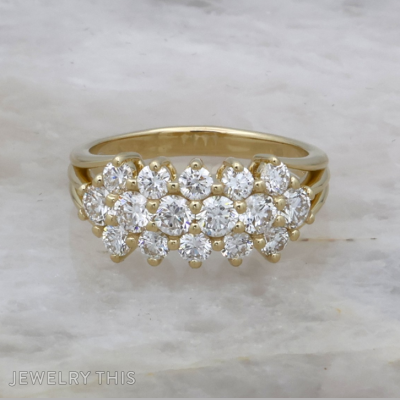
This 14k yellow gold ring recreates a wedding band that had been lost after years ...

This beautiful White gold ring is brimming with symbolism to celebrate a marriage of 20 ...

This white gold ring features a symphony of fall colors. The exquisite ring presents a ...

This 14K yellow gold wedding band is a meaningful recreation of the client’s father’s ring, ...

This unique wedding band, designed for an animal conservationist, celebrates a passion for wildlife with ...

This silver ring showcases a graceful swooping design that wraps beautifully along the top of ...

Custom made sterling silver ring featuring a family name, symbolic detailing and colored enamel.

This symbolic wedding set celebrates the shared love for adventure. The men’s band features a ...

This detailed 10k yellow gold ring is a stunning representation of power and loyalty. Crafted ...



