


Silver Protractor Pendant With Black Enamel Detail
$$
Sterling silver, black enamel, black diamonds
A boyfriend wanted to give his girlfriend a piece of jewelry even though she rarely wears any — he described her style as mostly black and dark colors and wanted something that would actually fit how she dresses. Together with the design team he shaped a protractor pendant in sterling silver with black enamel detailing, then added two rows of small black diamonds after seeing the first render and wanting a bit more sparkle. When it arrived, he wrote simply: 'It is awesome. Thank you so much for the help.'
'Wow. Looks amazing.' — on seeing the first render
'I think it looks perfect!' — on approving the final design with stone accents
'It is awesome. Thank you so much for the help.' — on delivery
Quick specs
Design type
Primary Metal
Shape / Cut
Primary Stone
Accent Stones
Design Complexity
Intent: Certainty
Size
Pendant approximately 1.5in wide. Chain 18in oxidized cable, thin gauge.
How they made it distinctive
-
01
Protractor shape chosen as a personal, symbolic design rather than a traditional decorative pendant
-
02
Black enamel fill on all engraved numerals and degree lines for graphic contrast against polished silver
-
03
Two arcs of small black diamonds added after the first render, placed only between the inner degree lines to keep the bail clean
-
04
Chain deliberately kept as thin as possible so attention stays on the pendant rather than the chain
-
05
Black stones and oxidized chain chosen specifically to suit a wardrobe built around black and dark colors
How you'd make it yours
Stone type: this piece uses black diamonds; a new commission could use white diamonds, colored stones, or omit stones entirely
Metal: this piece is sterling silver; the same enamel-and-engraving design works in gold or platinum
Size: this piece is 1.5 inches wide to keep the engraved detail legible; a new piece is sized to its own design needs
Chain: this piece uses a thin oxidized black cable chain; a new commission could use a different color, width, or finish
Enamel color: this piece uses black enamel fill; a new commission could use a different color or finish for the engraved detail
One of a kind: this exact pendant was designed for one recipient and is not reproduced — a new commission is an original piece inspired by this one, not a copy
Design changes made
After approving the initial protractor design, the client asked about adding stones for extra sparkle. The team sketched several stone placement options and the client chose a version with two arcs of small black diamonds set between the inner degree lines, keeping the bail itself stone-free per his request.
Who this is for
This piece is for someone whose partner has a very specific, low-key personal style and who wants a gift that actually fits how they dress rather than a generic decorative piece. It's especially right if the recipient rarely wears jewelry and would only wear something that feels personal, graphic, and understated rather than traditionally sparkly.
How it's made
Once the design was finalized, a 3D-printed resin model of the protractor pendant was produced and shared with the client before casting. The resin was attached to a wax tree, invested in plaster, and fired in a kiln to burn out the pattern, leaving a hollow mold. Molten sterling silver was then cast into the mold, cooled, and separated from the tree for cleanup and finishing.
After casting, the piece was cleaned and polished to bring up the silver's natural shine, and the engraved numerals and degree lines were filled with black enamel to create graphic contrast against the polished metal. The two rows of small black diamonds were then hand-set between the inner arc lines, sized specifically to fit the tight spacing of a 1.5-inch-wide protractor face. The pendant was paired with a thin oxidized black cable chain, chosen deliberately to keep the visual focus on the pendant itself.
Key note
The black diamonds had to be sized small enough to fit within the narrow spacing of the protractor's inner degree lines without disrupting the engraved numerals — a constraint that shaped stone placement more than typical pendant designs.
Pricing guidance
A sterling silver novelty pendant with enamel detailing and small stone accents sits in the mid range for custom pendant work. Most of the cost comes from the hand-finishing needed to keep fine engraved details crisp and from setting small stones in a tightly spaced pattern, rather than from the metal itself.
Moves price up ↑
- ↑ Upgrading from sterling silver to gold for the pendant body
- ↑ Adding stones to the bail or extending the stone arcs further around the protractor face
- ↑ Using genuine black diamonds at larger sizes rather than small accent-sized stones
- ↑ Adding a two-sided design with detail engraved on the back as well
- ↑ Choosing a solid oxidized metal chain instead of a thinner sourced chain
Moves price down ↓
- ↓ Reducing the pendant size below 1 inch, which lowers material and enamel-fill time
- ↓ Omitting the stone accents entirely and relying on enamel detail alone
- ↓ Using a simpler chain style without oxidation or color treatment
- ↓ Reducing the number of stones or leaving one arc plain
- ↓ Skipping enamel fill on the outer ring of numerals and detailing only the inner arcs
Questions people ask
Yes, detail is achieved by engraving the numerals and degree lines directly into the metal and then filling them with enamel so they read clearly against the polished surface. This is different from simply printing or etching a shallow pattern, since the enamel fill creates real contrast and depth. Adding small stones along the inner arcs adds further visual interest without cluttering the graphic look. The result reads as a purposeful design object rather than a novelty item.
Black enamel is a colored material applied into engraved channels on the metal surface, similar to how numerals on a watch face are often filled. It bonds into the recessed lines and is generally durable for everyday wear, though like any enamel work it can wear or chip if struck hard against a surface. It holds up well for a pendant that is not subjected to constant friction. If it does wear over time, re-application is a standard jewelry service.
Sterling silver is a precious metal that can be cast, engraved, and finished with fine detail, and it pairs safely with other precious metal chains without accelerated wear. Stainless steel is harder than silver, gold, or platinum, and pairing a stainless steel chain with a precious metal pendant can cause the harder steel to gradually wear down the softer metal at the bail over time. For that reason, a pendant body is typically kept in silver, gold, or platinum, with any darker chain sourced in an oxidized silver or similar precious-metal-safe option instead of steel.
A sterling silver pendant of moderate complexity with enamel detailing and small stone accents typically falls in the mid range for custom pendant work. The price is driven mainly by hand-finishing time for the engraved detail and the labor of setting small stones in a tight pattern, rather than by the cost of the silver itself. Adding more stones, upgrading the metal, or extending the design to the back of the piece would move the price higher.
The design phase — sketch, 3D model, and rendered preview for approval — typically takes about a week. Once approved, production including casting, enamel fill, and stone setting generally takes three to four weeks. Total timeline can shift slightly depending on chain sourcing or seasonal shipping demand, so it is worth building in some buffer if a piece is needed by a specific date.
Yes, black diamonds work well as small accent stones because their dark color reads clearly even at a small scale, unlike some lighter colored stones that can look washed out when cut very small. They are also a genuine diamond, so they carry the same hardness and durability as any other diamond accent. This makes them a practical choice for pieces like an engraved pendant where the stones need to stand out against a busy background without being large.
Yes, chain width can be adjusted to keep the visual focus on the pendant rather than the chain itself. The tradeoff is that very thin chains have fewer color and material options, especially in darker or oxidized finishes, so there may be some limitation depending on the exact look wanted. A thinner chain is a common and reasonable request when the pendant itself carries the design's detail.
Yes, a personal or symbolic design that fits someone's actual style — like a graphic, minimal piece in dark tones for someone who wears mostly black — tends to work better for occasional jewelry wearers than a traditional decorative piece. The goal is a design specific enough to feel meaningful and simple enough to wear without feeling like a departure from their usual style. Discussing the wearer's typical color palette and habits during design is a normal part of getting this right.
Explore Similar Creations
Every masterpiece starts with a spark. Explore how our clients raw ideas - sketches, heirlooms, inspirations - were transformed into bespoke works of arts.
This unique pendant feature the next2play logo with a p rise Pheonix. Measuring one inch ...


A powerful tribute to legacy and lineage, this pendant was created to honor generations of ...

This custom 14k yellow gold pendant is created from cool cartoon of Natalie who a ...

An anatomical heart pendant crafted in yellow and rose gold plated sterling silver with sandblasting ...

A unique shamrock mother’s pendant crafted in 14k yellow gold and bezel set with three ...

This sterling silver pendant is a unique representation of a barber shop logo. The design ...

This sterling silver pendant was created to celebrate the pride and spirit of their university. ...


14k yellow gold elephant pendant featuring cut out designs and patterns throughout the elephant’s body. ...

This stunning Northstar pendant is a perfect blend of elegance and everyday wearability, designed for ...
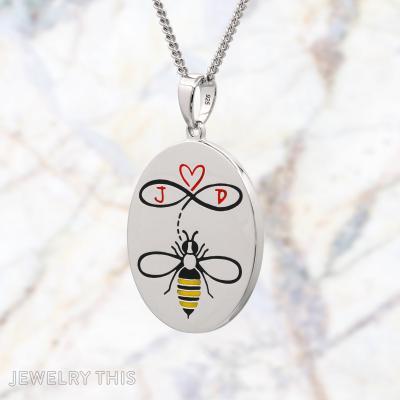
A heartfelt tribute to two best friends, this pendant symbolizes eternal love and connection. A ...



