How Often Should You Have Your Ring Professionally Inspected?
Your engagement ring is designed to be worn and enjoyed every day, but even the most carefully crafted ring can experience wear over time. Prongs can become worn, stones can loosen, and everyday activities can gradually affect the setting.
Regular professional inspections are an important part of engagement ring care. But how often should you have your ring professionally inspected, and what exactly does a jeweler look for?
How Often Should You Have Your Ring Professionally Inspected?
For an engagement ring worn regularly, it is generally recommended to have it professionally inspected at least once a year.
If your ring has a delicate setting, pavé stones, an intricate design, or you are particularly active with your hands, you may benefit from more frequent inspections.
A professional inspection gives your jeweler an opportunity to identify small issues before they become bigger—and potentially more expensive—problems.
Why Is a Professional Ring Inspection Important?
Regular at-home cleaning can help keep your ring looking its best, but it cannot replace a professional inspection.
Some signs of wear are difficult to see without closely examining the setting. A jeweler can check the areas that secure your gemstones and look for signs of damage or wear that you may not notice during everyday wear.
Early detection is particularly important when your ring contains valuable or sentimental gemstones. Repairing a worn prong is considerably easier than replacing a stone that has fallen out because the setting was no longer secure.
What Does a Jeweler Check During a Ring Inspection?
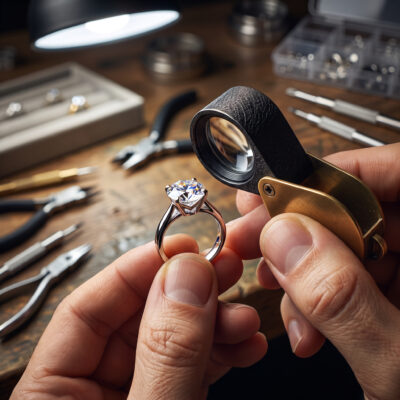
A professional ring inspection typically involves examining the metal, gemstones, and overall setting. Your jeweler may check:
| What Is Inspected? | What Your Jeweler Is Looking For |
|---|---|
| Prongs | Signs of wear, bending, thinning, or damage that could affect how securely a stone is held. |
| Gemstones | Loose, chipped, cracked, or damaged stones, as well as any changes in their position. |
| Setting | Movement, damage, or areas where the setting may have become weakened. |
| Band | Scratches, thinning, dents, or other signs of everyday wear. |
| Pavé or accent stones | Loose or missing small stones and worn areas around their settings. |
| Claws and bezels | Signs that the metal securing the center stone has become worn or damaged. |
| Overall structure | Any changes that could affect the ring’s strength, security, or longevity. |
The exact inspection process will depend on the design and construction of your ring.
How Do You Know If Your Ring Needs an Inspection?
You do not necessarily need to wait until your annual inspection if you notice something unusual.
Have your ring checked by a professional if:
- A gemstone moves when you touch it
- You hear a rattling sound coming from the setting
- A prong looks bent, worn, or thinner than usual
- A stone appears to sit differently than it did before
- You notice a chipped or cracked gemstone
- The ring has been dropped or experienced a significant impact
- The band appears bent or damaged
- A small accent stone is missing
- You notice a sharp or rough area that was not there previously
If something feels different about your ring, it is better to have it checked rather than wait for your next scheduled inspection.
How Often Should You Have a Diamond Engagement Ring Inspected?
A diamond engagement ring that is worn every day should generally be professionally inspected at least once a year. However, the ideal inspection schedule depends on the design of your ring and how you wear it.
For example, rings with pavé diamonds, halo settings, delicate prongs, or other intricate details may require closer monitoring because they contain more small components that can experience wear over time.
Your jeweler can recommend an inspection schedule based on the specific construction of your ring.
Do You Need Your Ring Inspected After Every Cleaning?
No. Routine at-home cleaning does not require a professional inspection every time.
However, professional cleaning and inspection can be combined during your regular jewelry appointments. This allows your jeweler to remove buildup while also checking that your gemstones and settings remain secure.
If you notice a problem while cleaning your ring—such as a loose stone, damaged prong, or unusual movement—stop wearing it and have it inspected.
Should You Have Your Ring Inspected After an Impact?
Yes. If your engagement ring has been dropped, knocked against a hard surface, caught on something, or exposed to another significant impact, it is worth having it professionally inspected.
Even when there is no visible damage, an impact can potentially loosen a gemstone or affect the setting. Avoid assuming that your ring is fine simply because the stone still appears to be in place. A professional can examine the setting and determine whether any repairs are necessary.
What Happens If a Prong Is Worn Down?
Prongs play an important role in keeping gemstones securely in place. Over time, regular wear can gradually thin or wear down the metal.
A worn prong does not necessarily mean your ring needs to be completely remade. Depending on the condition of the setting, a jeweler may be able to repair or rebuild the affected area.
This is one of the biggest benefits of regular inspections: small repairs can often be addressed before a stone becomes loose or is lost.
Do Different Ring Designs Need Different Inspection Schedules?
Yes. Not every engagement ring experiences wear in exactly the same way. A simple solitaire with a sturdy setting may have different maintenance requirements from a ring covered in pavé stones or a delicate vintage-inspired design.
Rings with:
- Pavé or micro-pavé stones
- Halo settings
- Delicate prongs
- Intricate metalwork
- Multiple gemstones
- Moving or decorative components
May benefit from more frequent professional inspections. Your ring’s materials, construction, lifestyle, and frequency of wear should all be considered when deciding how often it should be checked.
How Can You Protect Your Ring Between Inspections?
Professional inspections are only one part of caring for your engagement ring. How you treat your ring between appointments can also help preserve its condition.
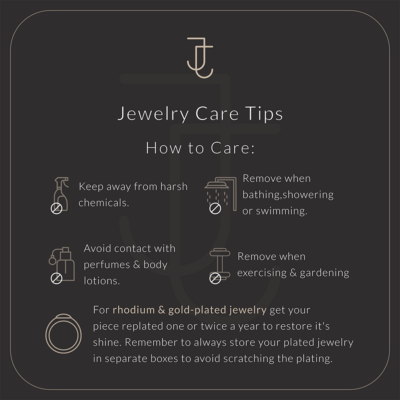
Remove your ring during activities where it could experience excessive impact, including heavy lifting, certain sports, gardening, or other hands-on work.
It is also a good idea to remove your ring when working with harsh chemicals and to avoid exposing it unnecessarily to products that can leave buildup on the metal or gemstones.
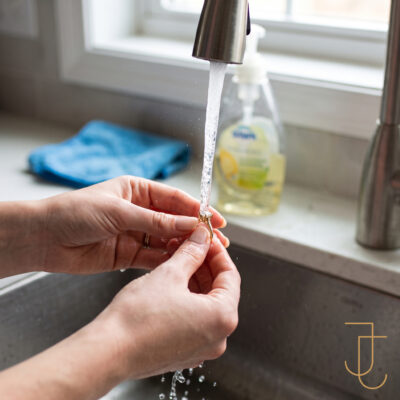
Regular gentle cleaning can also help keep dirt and oils from accumulating around the setting. Learn How to Clean your Engagement Ring at Home
Is a Professional Inspection the Same as a Professional Cleaning?
Not necessarily. A professional cleaning focuses on removing dirt, oils, and buildup from your ring to restore its appearance. A professional inspection focuses on examining the condition and security of the ring, including its gemstones, prongs, setting, and metal.
They are often performed together, but they serve different purposes. Think of it this way: cleaning helps your ring look its best, while an inspection helps ensure it remains secure and wearable.
How Often Should You Have Your Ring Professionally Inspected? A Quick Guide
For most engagement rings worn regularly, an annual professional inspection is a good starting point.
| Situation | Recommended Action |
|---|---|
| Ring is worn every day | Professional inspection at least once a year |
| Ring has pavé or many small stones | Consider more frequent inspections |
| Ring has a delicate or intricate setting | Ask your jeweler about a more frequent inspection schedule |
| You notice a loose stone or damaged prong | Have it inspected as soon as possible |
| Ring has experienced a significant impact | Have it inspected before continuing regular wear |
| You notice a missing stone | Stop wearing the ring and have it professionally assessed |
Protect Your Ring for the Years Ahead
When you create custom jewelry like an engagement ring is more than a piece of jewelry. It is something you may wear every day and eventually pass down as part of your family’s story.
Regular professional inspections are a simple way to stay ahead of everyday wear. By having your ring checked at least once a year or sooner if you notice something unusual, you can help identify potential problems before they become serious.
Combined with proper at-home care, professional cleaning, and mindful wear, regular inspections can help keep your engagement ring secure, beautiful, and ready to be enjoyed for many years to come
Frequently Asked Questions
How often should you have your engagement ring professionally inspected?
For an engagement ring worn regularly, an annual professional inspection is generally recommended. Rings with delicate settings, pavé stones, or intricate designs may benefit from more frequent inspections.
How much does a ring inspection cost?
The cost of a professional ring inspection varies depending on the jeweler and the services included. Some jewelers offer inspections as part of their ongoing care services, while others may charge separately.
Can I inspect my engagement ring at home?
You can regularly look over your ring at home for obvious changes, such as a missing stone, damaged prong, or visible damage. However, a professional jeweler has the tools and experience to identify wear that may not be visible to the naked eye.
How do I know if my engagement ring has a loose stone?
A loose stone may move when gently touched or produce a faint rattling sound when the ring is moved. If you suspect a stone is loose, avoid wearing the ring and have it professionally inspected.
Should I have my ring inspected before my wedding?
If you are planning to wear your engagement ring alongside a new wedding band, having your engagement ring inspected beforehand can be a good idea. This gives you an opportunity to address any wear or setting issues before the rings are worn together regularly.
What happens if my jeweler finds a problem during an inspection?
Your jeweler should explain the issue and recommend the appropriate repair. Depending on the problem, this could involve tightening a stone, repairing a prong, rebuilding part of the setting, or replacing a damaged component.
.