How to Protect Your Engagement Ring: Everyday Habits to Avoid
Your engagement ring is made to be worn, enjoyed, and become part of your everyday life. But that does not mean it is indestructible.
Many engagement-ring problems do not come from one dramatic accident. Instead, they can develop gradually through ordinary habits: wearing your ring while cleaning, exercising with weights, applying lotions, gardening, or simply forgetting to remove it before activities that put stress on the setting.
The good news is that protecting your ring does not require treating it like a museum piece. A few thoughtful habits can help preserve its beauty, protect the gemstone and setting, and reduce unnecessary wear.
What Are the Most Common Habits That Damage an Engagement Ring?
The everyday habits most likely to cause problems include exposure to harsh chemicals, repeated impact, pressure on the setting, abrasive materials, product buildup, and situations where the ring could easily be lost.
Here are some of the habits worth reconsidering.
1. Wearing Your Engagement Ring While Cleaning
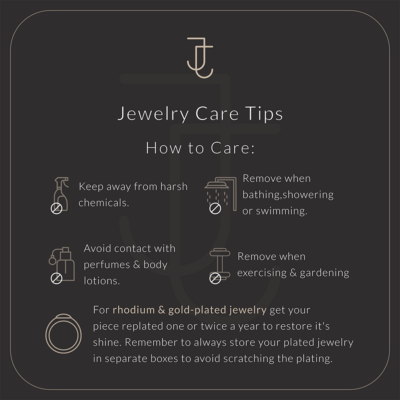
Household cleaning is one of the easiest ways to expose your engagement ring to products it was never designed to handle repeatedly. Bleach, chlorine, ammonia-based cleaners, abrasive powders, and other strong household chemicals can affect certain metals, finishes, and gemstones. Even when a cleaner does not visibly damage the ring, residue can become trapped around the setting. Cleaning also involves plenty of movement and contact with hard surfaces. Your ring can knock against countertops, appliances, buckets, tools, or other objects.
Should you take your engagement ring off when cleaning? Yes. Removing your ring before using household cleaning products is a simple way to reduce chemical exposure, impact, and the chance of scratching or damaging the setting. Keep a small ring dish somewhere convenient so taking it off becomes part of your cleaning routine rather than something you have to remember each time.
2. Showering or Bathing With Your Ring On
It may seem harmless to shower with your engagement ring, but doing so regularly can lead to product buildup. Soap, shampoo, conditioner, body wash, and other personal-care products can collect around the stone and underneath the setting. Over time, this buildup can make even a beautiful diamond or gemstone look cloudy or less brilliant.
There is also a practical concern: wet fingers can become slippery, increasing the possibility of accidentally losing your ring down a drain. Occasional exposure is unlikely to ruin a properly made ring, but removing your engagement ring before showering is an easy habit that can keep it cleaner and reduce unnecessary exposure to products.
3. Swimming With Your Engagement Ring
Swimming is another activity where leaving your engagement ring at home is usually the safer choice. In a swimming pool, chlorine and other chemicals can expose your ring to substances that may affect certain metals or gemstones over repeated exposure. Saltwater and natural bodies of water present their own considerations.
But chemicals are not the only concern. Cold water can temporarily cause your fingers to shrink, making a ring easier to slip off. Add swimming, waves, slippery hands, and the difficulty of recovering a ring from a pool, lake, or ocean, and the risk of loss becomes much more significant.
Can chlorine damage an engagement ring? Repeated chlorine exposure can be harmful to some jewelry materials and may contribute to metal damage or deterioration over time. Because there is little benefit to wearing an engagement ring in a pool, the safest approach is to remove it beforehand.
4. Exercising While Wearing Your Engagement Ring
Your engagement ring may be perfectly comfortable during a walk or light daily activity, but certain workouts create unnecessary risks. Weightlifting is a particularly important example. When you grip dumbbells, barbells, machines, or other equipment, pressure is transferred directly through your fingers and into the ring. Repeated pressure can contribute to scratches, deformation, or wear on delicate areas of the setting. Exercise can also create opportunities for the ring to catch on equipment.

Remove Engagement Ring when working out
For activities involving weights, heavy equipment, contact, or significant pressure on your hands, removing your engagement ring is generally the better choice. If you prefer to wear a ring during lower-impact activities, consider whether your hands will be exposed to significant friction, impact, or pressure.
5. Gardening and Yard Work
Gardening may be relaxing, but it is not especially gentle on fine jewelry. Soil contains grit and small particles that can work their way into the setting. Tools can create impact, while branches, plants, gloves, and other materials can catch on prongs or delicate design elements. Dirt can also become trapped underneath the gemstone, making it harder to see and clean the areas around the setting.
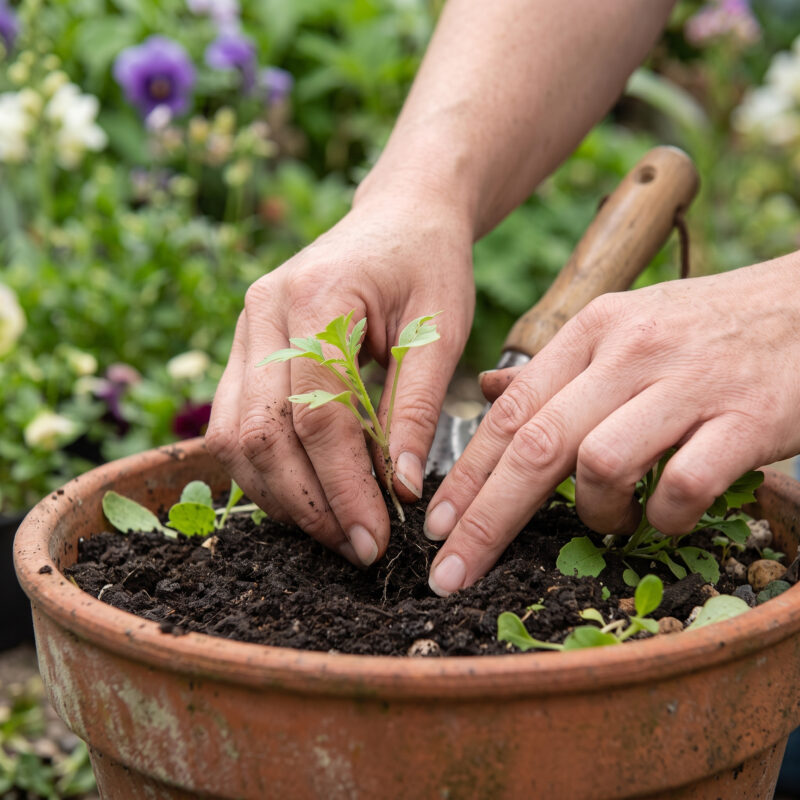
Remove Engagement Ring when Gardening
Before gardening, planting, landscaping, or doing similar hands-on outdoor work, place your engagement ring somewhere secure. This small habit can prevent a surprising amount of unnecessary wear.
6. Sleeping With Your Engagement Ring Every Night
There is no universal rule that says you must remove your engagement ring before going to bed. However, sleeping in your ring every night can expose it to avoidable friction and snagging. Prongs can catch on bedding or clothing. Your hands can also move against pillows, mattresses, and other surfaces while you sleep.

Remove your Engagement Ring before going to sleep
For rings with delicate settings or fine details, removing the ring at night may be a sensible precaution. More importantly, nighttime can be a convenient opportunity to give your ring a quick visual check and store it safely.
7. Applying Lotion, Sunscreen, and Beauty Products With Your Ring On
Lotions, creams, sunscreen, makeup, hair products, and similar substances do not necessarily cause immediate damage to an engagement ring. But they can leave residue. That residue can accumulate around the gemstone and setting, making the ring look less brilliant and requiring more frequent cleaning.
How can you keep your engagement ring looking clean? Apply lotions, creams, and similar products before putting your ring on, when practical. Give the product time to absorb before wearing the ring. This is especially helpful if your ring has a detailed setting where residue can be difficult to remove.
8. Wearing Your Ring During Heavy Manual Work
Moving furniture, using power tools, repairing things around the house, or handling heavy materials can put considerable stress on an engagement ring. Even a durable diamond can be affected by a strong impact, and the gemstone is only one part of the ring. The prongs, band, gallery, and other setting components can experience the force of an accident.
A ring does not have to break immediately for damage to occur. A hard impact can bend or weaken a prong, for example, potentially making the stone less secure. Before tackling a demanding project, remove the ring and store it somewhere safe.
9. Ignoring a Loose Stone or Damaged Prong
One of the most important engagement-ring habits is knowing when something does not feel right. If your stone moves when you gently touch it, a prong feels unusually sharp, or the ring suddenly catches on clothing, do not ignore the change. These can be signs that the setting needs professional attention.
Signs Your Engagement Ring May Need an Inspection
Watch for:
- A gemstone that appears loose or moves
- A prong that looks bent, worn, or broken
- A sharp edge that was not there previously
- A gemstone that appears crooked
- New dents or significant scratches
- A change in how the ring sits on your finger
- A setting that looks visibly different from before
If you notice one of these signs, it is better to have the ring evaluated than to continue wearing it and hope the problem resolves itself.
Can Everyday Activities Make an Engagement Ring Loose?
Yes. Repeated impact, pressure, friction, and snagging can contribute to wear in a ring’s setting. Prongs are particularly important because they help secure many gemstones in place. Over time, normal wear can affect their shape or thickness. An accidental impact can also bend a prong.
That is why professional inspections are an important part of long-term engagement-ring care. A professional can examine the stone, setting, prongs, and band for signs of wear that may be difficult to identify at home.
How to Protect Your Engagement Ring Every Day
Protecting your engagement ring does not need to be complicated. Focus on a few consistent habits.
Know When to Remove It
Consider removing your ring before:
- Household cleaning
- Swimming
- Showering or bathing
- Weightlifting
- Contact sports
- Gardening
- Heavy manual work
- Home improvement projects
- Activities involving harsh chemicals
Store It Somewhere Safe
Create a dedicated place for your ring. A jewelry dish, ring box, or secure jewelry case can help prevent the common problem of setting your ring down somewhere temporarily and forgetting where you left it. Avoid storing jewelry pieces together if they can scratch or rub against one another. And be especially careful around sinks, countertops, and other places where a ring can disappear quickly.
Clean It Carefully
Regular cleaning can help restore the sparkle that becomes hidden beneath everyday oils and product residue. For many durable gemstone rings, gentle cleaning with mild soap, appropriate water, and a soft brush can be suitable. However, cleaning methods are not universal. Different gemstones, treatments, metals, and settings can have different care requirements. If you are uncertain about the safest cleaning method for your particular ring, professional guidance is preferable to experimenting with strong household cleaners.
Have the Ring Professionally Inspected
Professional inspection is about prevention. A jeweler can examine:
- Prongs
- Gemstone security
- Band condition
- Setting integrity
- Areas of excessive wear
- Other structural details
Catching a small issue early can be much easier than dealing with a lost gemstone or major setting damage later.
Does the Type of Engagement Ring Affect How You Should Care for It?
Absolutely! Not every engagement ring has the same care requirements. The appropriate routine depends on the gemstone, metal, setting style, construction, and other design details.
Diamond Engagement Rings
Diamonds are exceptionally hard, but that does not make a diamond engagement ring indestructible. The diamond itself and the ring holding it are two different considerations. A hard impact can affect the gemstone or damage the setting, while everyday wear can gradually affect prongs and other components.
Gemstone Engagement Rings
Colored gemstones can have very different characteristics. Some are relatively durable for everyday wear, while others may be more sensitive to scratches, impact, chemicals, heat, or sudden temperature changes. If your engagement ring features a sapphire, ruby, emerald, opal, or another gemstone, learn about the specific care requirements for that stone.
Delicate and Intricate Settings
Pavé, halo, milgrain, filigree, and other detailed designs can have smaller components that deserve particular attention. These designs can be stunning, but their fine details may be more susceptible to snagging, impact, and wear. That does not mean you cannot enjoy a delicate engagement ring every day. It simply means thoughtful wear and periodic inspection become especially valuable.
What If Your Engagement Ring Gets Damaged?
| Type of Damage | What You Should Do | Why It Matters |
|---|---|---|
| Stone Feels Loose | Stop wearing the ring and have the setting professionally assessed. | Continuing to wear a ring with a loose gemstone increases the risk of the stone becoming dislodged. |
| Prong Is Bent or Broken | Avoid wearing the ring until it has been professionally inspected. | A damaged prong may no longer provide adequate security for the gemstone. |
| Ring Is Scratched | Have the ring professionally evaluated. Depending on the metal, design, and severity, refinishing may be an option. | Some surface wear is normal with regular use, and minor scratches can often be addressed without changing the character of the piece. |
| Gemstone Is Lost | Contact a qualified jeweler as soon as possible. If the ring is insured, review your insurance documentation and follow the required claims process. | Prompt action can help with assessing the setting, documenting the damage, and beginning an insurance claim if applicable. |
A Simple Engagement Ring Care Routine
The best engagement-ring care routine is one you can actually maintain.
Every day:
Take a moment to notice whether the ring looks and feels normal.
Before higher-risk activities:
Remove it before cleaning, swimming, heavy exercise, gardening, or manual work.
Regularly:
Clean it using a method appropriate for its specific gemstone and setting.
Periodically:
Have the ring professionally inspected for wear and gemstone security.
Whenever something changes:
If a stone moves, a prong catches, or the ring suddenly feels different, have it checked.
Protect Your Ring Without Being Afraid to Wear It
Your engagement ring was created to be part of your life. It should accompany you through celebrations, ordinary days, milestones, and memories and not sit untouched in a jewelry box because you are afraid to wear it. The key is understanding when everyday activities create unnecessary risk.
Removing your ring before cleaning, swimming, exercising with weights, gardening, or doing heavy manual work takes only a moment. Regular cleaning and professional inspections can help you catch problems before they become bigger concerns.
And if your ring has already experienced years of wear, that does not mean its story is over. Fine jewelry should carry meaning for generations. Whether your engagement ring needs professional attention, a thoughtful redesign, or a new chapter built around an existing piece, you can create custom jewelry that preserves the meaning of what you already have while giving it a renewed sense of purpose and personal style.
Frequently Asked Questions: How to Protect Your Engagement Ring
Should I take my engagement ring off when cleaning?
Yes. Removing your engagement ring before cleaning helps protect it from harsh chemicals, abrasive products, and accidental impacts. It also prevents cleaning residue from building up around the gemstone and setting.
Can I shower with my engagement ring on?
It is generally better to remove your engagement ring before showering. Soap, shampoo, and conditioner can build up around the setting, while wet fingers can make the ring easier to lose.
Is it okay to sleep with an engagement ring?
While many people sleep with their rings on, removing your engagement ring at night can reduce friction and snagging. This is especially helpful for rings with delicate or intricate settings.
Can I wear my engagement ring while exercising?
It depends on the activity. Lower-impact exercise may be fine, but weightlifting, contact sports, and activities involving pressure or impact can put unnecessary stress on your ring and its setting.
Can chlorine damage an engagement ring?
Repeated chlorine exposure can affect some jewelry materials and may contribute to damage over time. Removing your engagement ring before swimming also reduces the risk of losing it in a pool.
How often should an engagement ring be professionally inspected?
Regular professional inspections can help identify worn prongs, loose stones, and other signs of wear before they become more serious. The ideal frequency depends on your ring’s design, materials, and how often you wear it.