Celtic Heart Knot Pendant in Platinum with Diamonds
$$$
Platinum, lab diamonds
A client came to us wanting a Celtic heart knot pendant in platinum, working from a reference photo he'd found and liked. He chose a fully cut-out design with diamonds traced through the knotwork rather than a plain outline, and once he saw the render he wrote back right away: 'I do absolutely love this!'
'I do absolutely love this!' — on seeing the first render
Quick specs
Design type
Primary Metal
Shape / Cut
Primary Stone
Accent Stones
Design Complexity
Intent: Certainty
Size
Pendant approximately 1 inch (25.4mm). Chain not included with order.
How they made it distinctive
-
01
Fully cut-out knotwork rather than a solid-background design, so the pattern reads as open interlocking loops
-
02
Diamonds pave-set along the entire curve of the knot rather than clustered in one area, so the sparkle follows the pattern itself
-
03
Platinum chosen specifically for its density and durability, suited to holding a continuous line of pave-set stones
-
04
Sized at approximately one inch, a scale chosen to keep the knotwork detail legible without the pendant feeling oversized
How you'd make it yours
Stone type: this piece uses lab diamonds; a new commission could use mined diamonds or a colored gemstone for contrast
Metal: this piece is platinum; the same cut-out knotwork reads well in white gold at a lower material cost
Background: this piece is fully cut out; a new piece could use a solid background for a bolder, more substantial look
Size: this piece is sized at about one inch; a new commission is sized to the wearer's own preference
One of a kind: this exact pendant was designed for one client and is not reproduced — a new commission is an original piece inspired by this one, not a copy
Design changes made
Design matched the initial brief without major changes.
Who this is for
This piece is for someone drawn to Celtic symbolism who wants a pendant with real presence rather than a plain outline. It's especially right if you want visible sparkle built into a symbolic shape, and you're looking for a metal that will hold up to daily wear without fading or needing maintenance.
How it's made
Once the cut-out knot design was approved, the piece was 3D printed in wax and attached to a wax tree inside a flask. The flask went into a kiln, where the wax was burned out to leave a hollow mold in its place. Molten platinum was then cast into that mold under heat and pressure, producing the raw pendant once it cooled.
After casting, the pendant was cleaned and polished to bring out platinum's natural white luster across the knotwork's rounded surfaces. The cut-out areas were cleaned up by hand to keep the open silhouette crisp and even across all four loops. Lab-created VS1 diamonds were then pave-set in a continuous line following the curve of the knot, rather than being placed in a single cluster, so the sparkle follows the pattern itself.
Key note
Platinum was chosen over white gold here specifically because its density holds pave-set stones securely along a curved, cut-out structure without the risk of the metal wearing thin over time.
Pricing guidance
A platinum pendant of moderate complexity with a fully cut-out design and pave-set diamonds throughout sits toward the higher end for pendant work, largely because platinum itself carries a higher material cost than gold and the cut-out pave setting requires more hand-finishing than a solid-background design. Diamond quality and count are the next biggest factors after metal choice.
Moves price up ↑
- ↑ Switching to natural mined diamonds instead of lab-created diamonds
- ↑ Increasing the diamond count or upgrading to a higher clarity grade than VS1
- ↑ Enlarging the pendant beyond roughly 1 inch, which requires more metal and more stones to maintain the pattern
- ↑ Adding a matching platinum chain rather than sourcing a standalone chain
Moves price down ↓
- ↓ Using white gold instead of platinum for a similar look at a lower material cost
- ↓ Reducing the diamond count or leaving sections of the knot undecorated
- ↓ Choosing a smaller pendant size, which reduces both metal and stone requirements
- ↓ Using a solid background instead of a fully cut-out design, which reduces cutting and finishing labor
Questions people ask
Yes. A Celtic knot pattern can be fully cut out and pave-set with diamonds along the entire knotwork, rather than left as a plain engraved or solid-background design. The cut-out approach means the pattern is visible as open loops rather than a flat shape, and diamonds set along the curves add sparkle that follows the knot's structure. This is a more labor-intensive approach than engraving but produces a noticeably more dimensional piece.
Platinum is an excellent choice for stone-heavy designs because it's a dense, durable metal that holds pave-set stones securely over time without the prongs wearing thin. It's naturally white and hypoallergenic, so it won't need replating the way white gold does. The tradeoff is that platinum costs more per gram than gold, which is the main reason platinum pendants sit at a higher price point than a similar design in white gold.
Lab-created and mined diamonds are chemically and visually identical — same hardness, same brilliance, same VS1 clarity grading scale. The difference is origin: lab diamonds are grown in a controlled setting, while mined diamonds are extracted from the earth. For a pave-set pendant like this, where many small stones are used, choosing lab-created diamonds typically brings the total cost down significantly compared to mined stones of the same quality.
The full process typically runs about five to six weeks from approved design to shipping. The first week covers the 3D design and render, which you review and approve before any metal is cast. Production then takes four to five weeks, covering wax printing, casting, polishing, and stone setting. You'll get updates as the piece moves through each stage.
A well-designed cut-out pendant in platinum is structurally sound because platinum is a strong, dense metal that holds its shape even with open areas removed. The knotwork's interlocking loops also help distribute stress across the piece rather than concentrating it in one thin section. That said, cut-out designs do require more careful handling than solid-background pieces, since there's less metal mass overall.
Yes, box chains and similar heavier-duty chain styles are a common choice for pendants with more weight or a design the wearer wants to feel secure. Chain options are typically discussed separately from the pendant itself and priced accordingly, since chain width and length affect both look and cost. A sturdier chain style like a box chain pairs well with a pendant that has some dimensional weight to it, like a cut-out knot design.
A platinum pendant with a cut-out design and pave-set diamonds throughout falls toward the higher end of pendant pricing, mainly due to platinum's material cost and the hand-finishing required for a continuous cut-out pattern. Diamond origin (lab versus mined) and the total stone count are the next largest cost factors. Choosing lab-created diamonds over mined stones is one of the more effective ways to manage the total cost without changing the design.
Yes, a Celtic knot pendant like this can be scaled up or down from the roughly one-inch size used here. Scaling up typically means more metal and more diamonds to maintain the same density of stones along the pattern, which increases cost. Scaling down reduces both, though very small cut-out designs can start to lose some of the fine detail in the knotwork.
Explore Similar Creations
Every masterpiece starts with a spark. Explore how our clients raw ideas - sketches, heirlooms, inspirations - were transformed into bespoke works of arts.
This pendant takes a single, personal mark — a heart shape a woman draws by ...

This pendant captures faith and beauty in a smaller, more wearable size. Recreated for daily ...

Serpent sterling silver pendant coiled around a bold green gemstone.

This elegant custom pendant is crafted from 14k yellow gold and features a vertical orientation. ...

This pendant featuring abstract elements inspired by Croatian heritage, blending vibrant colors and distinctive patterns. ...

This pendant centers on a lion’s head in profile, rendered in high-relief detail across the ...

In a gleaming dance of elegance, behold the captivating custom pendant that celebrates the cherished ...

Inspired by his girlfriends nickname ‘Snow’ this exquisite 14-karat white gold pendant is shaped like ...

Embark on an enchanting journey with this custom dragonfly pendant, meticulously crafted in 14k white ...
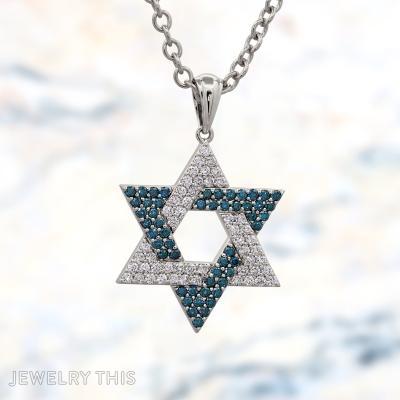
This Star of David pendant is built from two overlapping triangles in 14k white gold, ...

Embrace the whimsical beauty of this charming custom pendant. Crafted from sterling silver, the pendant ...