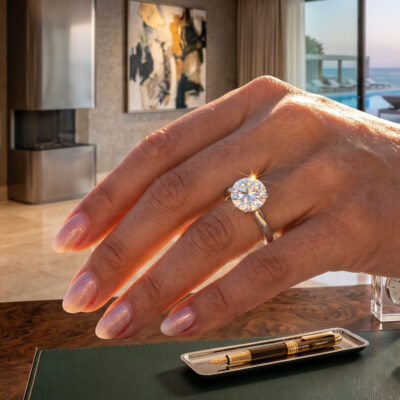
Busting Common Myths about Jewelry Appraisals
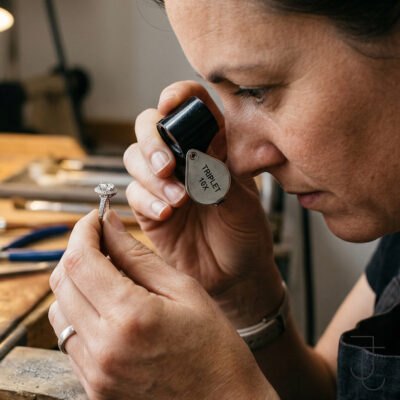
Jewelry appraisals are essential for protecting your investment, but misinformation and myths can make collectors hesitant. Many negative experiences either firsthand or heard from others create skepticism about appraisers and the appraisal process. Understanding the truth behind these common myths can help you confidently manage and value your fine jewelry.
Below is a look at these common myths, which every jeweler should be prepared to explain to customers who are skeptical about whether they will get an accurate appraisal.
Myth 1: The Value of Jewelry Always Increases Over Time
Fact: Jewelry and gemstones do not automatically appreciate. Markets for diamonds, precious metals, and pearls fluctuate independently. Values are influenced by market conditions, metal prices, exchange rates, and even fashion trends. While some pieces may increase in value, it is misleading to consider jewelry a guaranteed investment.
Myth 2: Diamonds Are Always the Most Valuable Part of Jewelry
Fact: Contrary to popular belief, gold rather than diamonds is what determines the value of the jewelry piece. If a diamond is flawed, its valuation will be affected. Market conditions will also impact its value. Gold has a much more stable value.
Myth 3: “Stone Switching” Happens Frequently
Fact: Sadly, this is a problem. A customer will go into a jewelry store and ask the jeweler for an appraisal or to have a piece of jewelry repaired only to return a couple days later and get back the jewelry piece with a different stone. This happens with unethical jewelers, so the best way to prevent it is to make sure you find a qualified appraiser and jeweler with an excellent reputation and a long history of business in the jewelry industry.
A good way to start your search for a qualified appraiser (not just anyone is qualified to give appraisals) is by checking with the American Gem Society, the Gemological Institute of America, or the National Association of Jewelry Appraisers. Unlike real estate appraisers who must be licensed, jewelry appraisers are not required to be licensed. Since these organizations teach appraisal theory and methodology, they are an excellent source for finding qualified appraisers. In fact, for your appraisal to actually be reliable, the appraiser you use should be certified by the Gemological Institute of America, a nonprofit organization that trains appraisers in the valuation of gems and jewelry.
Myth 4: A Gemology Degree Automatically Qualifies Someone to Appraise Jewelry
Fact:Gemologists can identify stones and assess quality, but appraisal requires additional expertise in market valuation and pricing methodology. A qualified appraiser combines gemological knowledge with formal training in appraisals, often taking years to master.
Myth 5 : Jewelry Appraisals Never Need Updating
Fact: Jewelry collections should be updated approximately every five years. Regular updates account for market changes, additions, removals, and potential damage. Updated appraisals also ensure insurance coverage accurately reflects current value.
Myth 6: Jewelry Appraisals Should Be Free
Fact: Appraisals take time, expertise, and research. Evaluating gemstones, metals, settings, and market value, conducting lab tests, and drafting a professional report all require significant effort. Expecting a free appraisal undervalues the expertise and time of certified appraisers.
Myth 7: Appraisal Cost Should Be a Percentage of Jewelry Value
Fact: Charging by a percentage of value is not only misleading, it’s illegal. Appraisers charge hourly rates to maintain unbiased valuations and prevent conflicts of interest.
Why Appraisals Are Essential
Even with myths circulating, professional appraisals protect your jewelry:
- Insurance claims: If your jewelry is lost, stolen, or damaged, a detailed appraisal ensures proper compensation.
- Restoration or replication: CAD experts can recreate lost or damaged pieces from photos or sketches like our successful “Lost Dolphin” earrings restoration project.
- Peace of mind: Knowing the exact value of your collection helps you make informed decisions about sales, gifts, or inheritance planning.
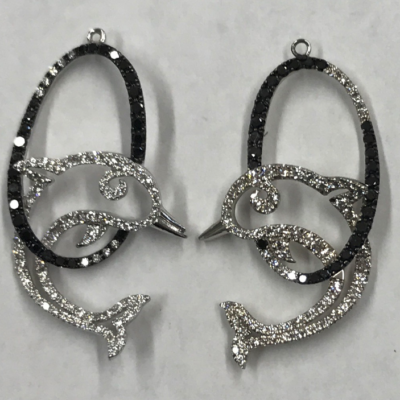
Dolphin Earrings from Jim Saylor Jewelers
FAQs: Jewelry Appraisals
How often should I update my jewelry appraisal?
Every 3–5 years, or sooner if the market fluctuates or your collection changes.
Can I trust online appraisal estimates?
No, reliable valuations require certified appraisers who can physically inspect your pieces and consider market conditions.
Are all jewelry appraisers certified?
No. Look for appraisers certified by organizations like GIA, AGS, or NAJA for credible, professional valuations.
How long does a jewelry appraisal take?
Depending on the complexity of the piece, appraisals can take anywhere from 30 minutes for simple pieces to several hours for detailed collections.