Pendant Finishes Explained: High Polished vs Brushed vs Sandblasted
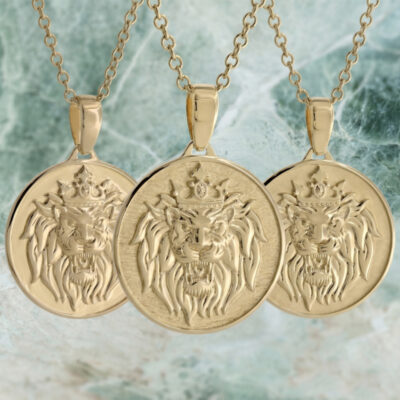
When designing a custom pendant, most people naturally focus on the gemstone, shape, or metal choice. But one of the most defining design decisions is often overlooked: the surface finish of the metal.
The finish determines how light interacts with the piece, how modern or classic it feels, and even how it wears over time. In fine jewelry there are three finishes that are especially common for pendants:
- High polished
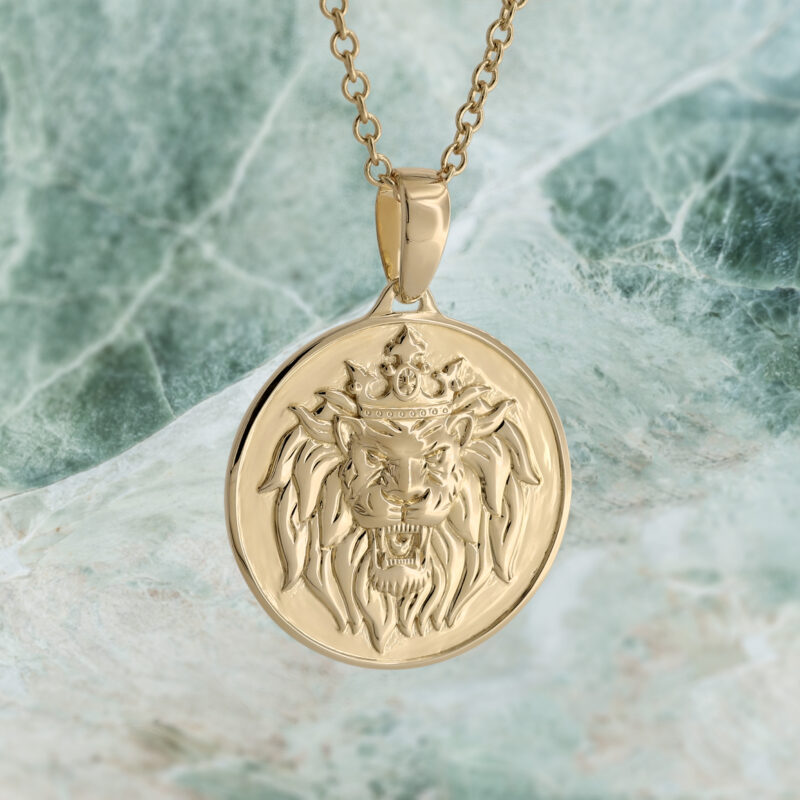
Pendant with high polish background
- Brushed
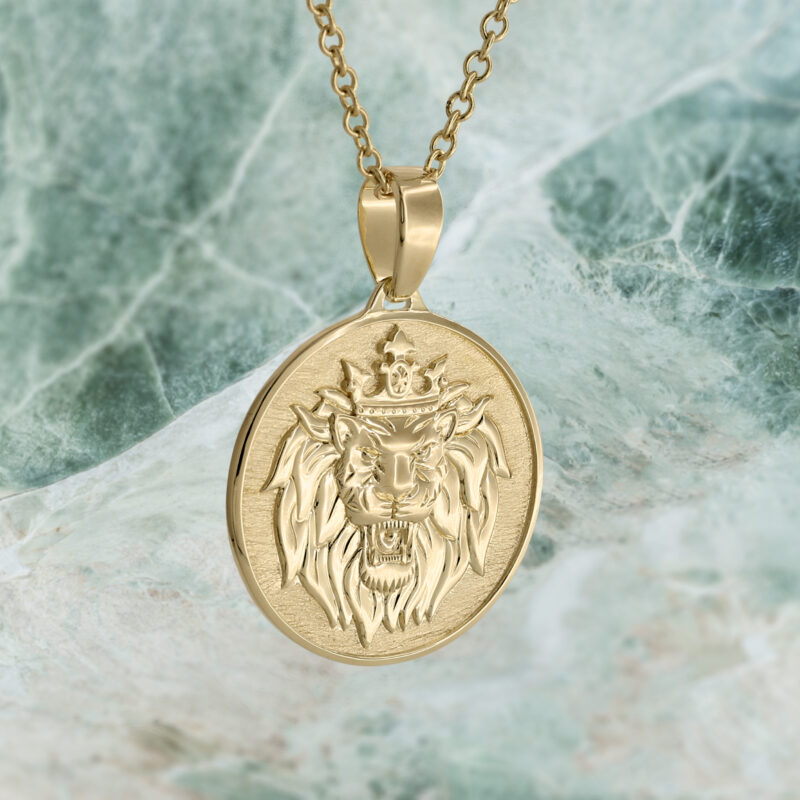
Pendant with brushed background
- Sandblasted
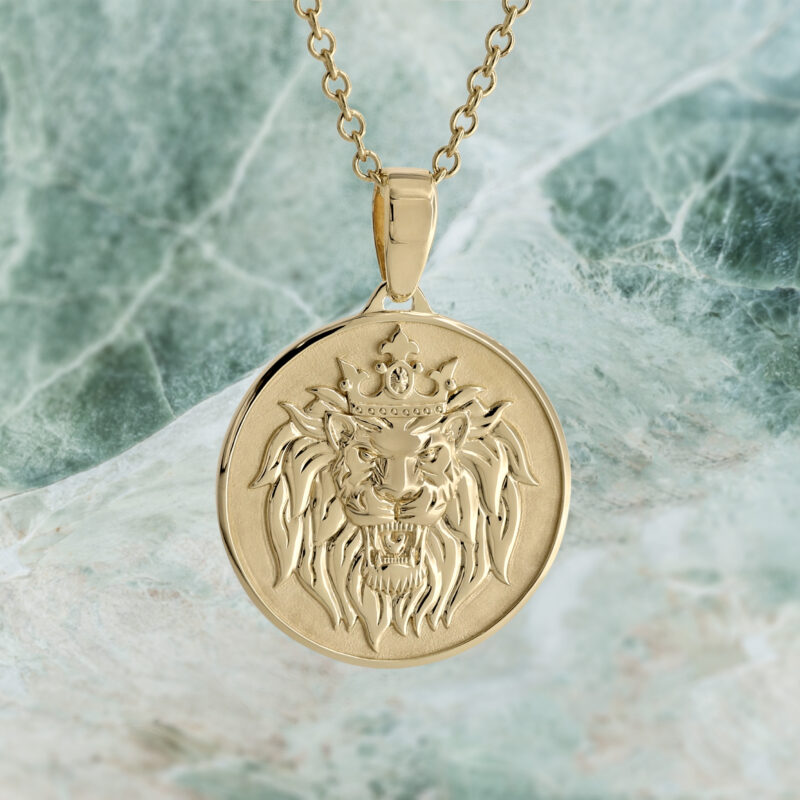
Pendant with sandblasted background
Each one transforms the same metal into a completely different visual and emotional experience.
1) What Is a High Polished Finish?
A high polished finish is the most traditional and widely recognized surface in fine jewelry. It creates a mirror-like shine that reflects light intensely and evenly across the surface.
Visual Characteristics
High polish is defined by:
- Mirror-like reflectivity
- Smooth, flawless surface
- Bright, high-shine appearance
- Strong interaction with light

High polished finish in a dimensional pendant

High polish finish complimenting the sparkling stones
Why it works well in pendants
High polished surfaces amplify brilliance. When paired with diamonds or faceted gemstones, the reflection enhances sparkle and creates a luminous effect that stands out easily in any lighting.
Considerations
- Shows fingerprints and fine scratches more easily
- May require periodic polishing to maintain peak shine
- Emphasizes brightness over texture or subtlety
2 ) What Is a Brushed Finish?
A brushed finish (sometimes called satin finish) is created by lightly abrading the metal surface in one direction, producing fine linear textures.
Visual Characteristics
- Soft, directional grain
- Muted, low-glare sheen
- Visible texture lines
- Subtle light diffusion
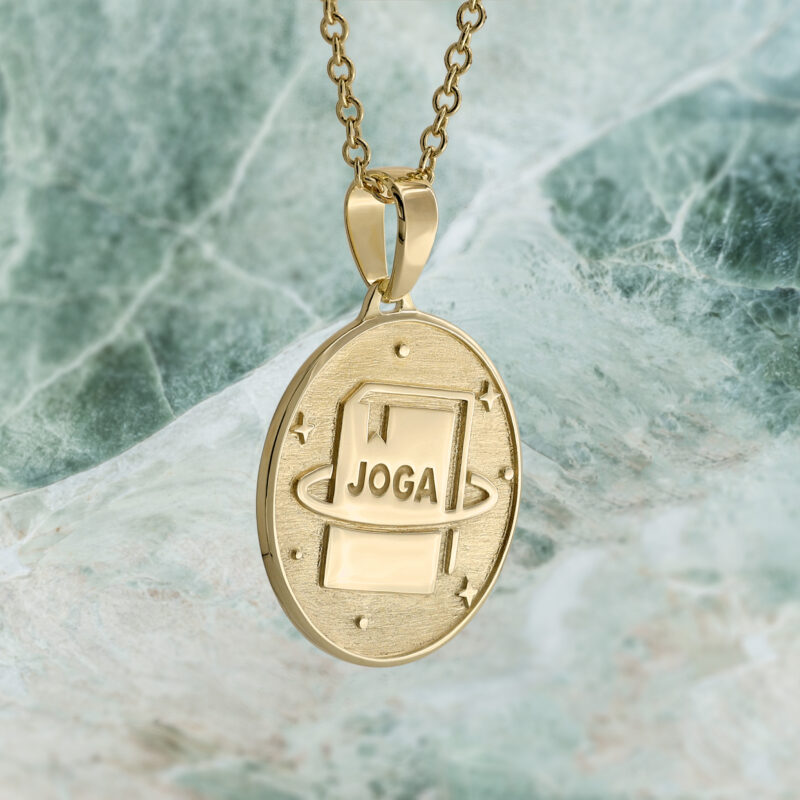
brushed finish pendant
Why it works well in pendants
Brushed metal reduces glare and creates a calm, understated surface. It allows the design and gemstone to stand out without overwhelming reflection competing for attention.
Considerations
- Hides small scratches better than polished finishes
- Can naturally soften with wear over time
- Direction of brushing subtly influences final appearance
3) What Is a Sandblasted Finish?
A sandblasted finish is achieved by blasting fine abrasive particles onto the metal surface, creating a uniform, matte, slightly grainy texture.
Visual Characteristics
- Fully matte, non-reflective surface
- Soft, frosted appearance
- Even texture with no directional pattern
- Absorbs rather than reflects light

Sandblasted background texture allows fine logo design lines to shine
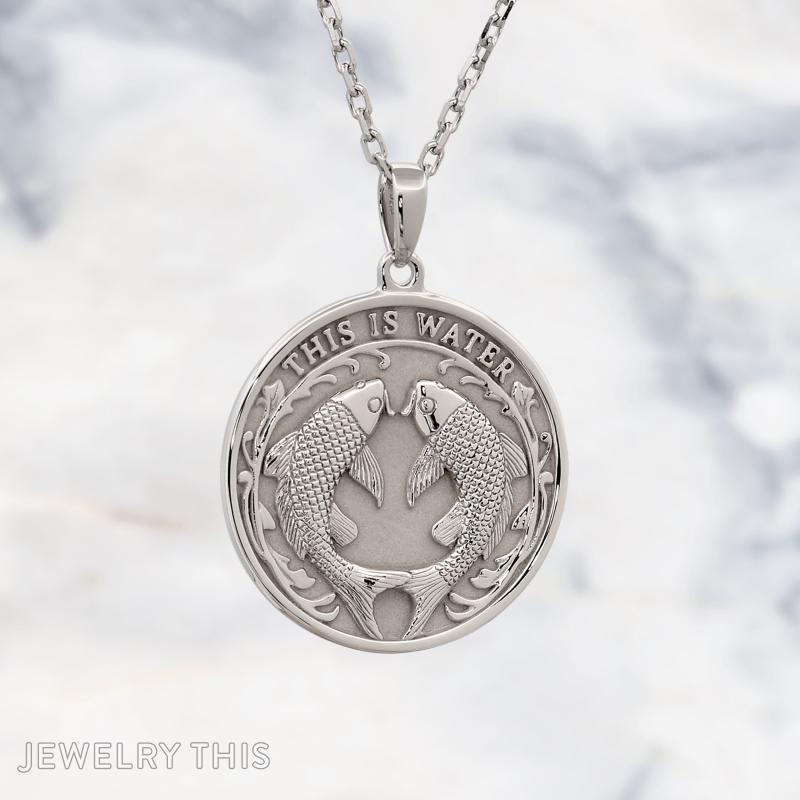
Dimensional fish pendant with sandblasted background
Why it works well in pendants
This finish eliminates shine entirely, allowing the pendant’s form, design elements or gemstone to become the focal point. It creates a quiet, sculptural presence that feels intentional and modern.
Considerations
- Extremely good at hiding wear visually
- May develop a softer satin look over time with use
- Can be refinished if a crisp matte texture is desired again
How Each Finish Changes the Look of a Pendant
| Finish | Visual Feel | Design Effect |
|---|---|---|
| High Polished | Bold, bright, and attention-grabbing | Reflects light strongly, enhancing sparkle and creating a dynamic look |
| Brushed | Modern and grounded | Softens surface reflection, drawing attention to shape and gemstone detail |
| Sandblasted | Calm and sculptural | Minimizes reflection for a soft, design-led aesthetic that emphasizes form over shine |
How to Choose the Right Finish
Choosing a finish isn’t just about appearance, it’s about how you want the piece to feel in everyday wear.
Choose High Polished If You Want:
- Maximum shine and brilliance
- A classic fine jewelry aesthetic
- A pendant that stands out in lighting
Choose Brushed If You Want:
- A modern, everyday wearable look
- Subtle texture without strong shine
- A balanced, contemporary design style
Choose Sandblasted If You Want:
- A soft, matte, minimalist appearance
- A design that emphasizes form over reflection
- A quiet but distinctive aesthetic
Can You Combine Finishes?
Yes – and this is where custom jewelry becomes especially interesting. Many designers combine finishes within a single pendant to create contrast and depth.
Common combinations:
- Brushed surface with polished edges
- Sandblasted background with polished dimensional designs or gemstone setting
- High polished structure with matte recessed areas
This layering effect can:
- Define structure more clearly
- Highlight the center stone or design element
Final Thoughts
Pendant finishes are more than surface details—they shape how a piece interacts with light, space, and the person wearing it.
- High polished brings brilliance and tradition
- Brushed introduces texture and modern restraint
- Sandblasted offers softness and sculptural minimalism
Each finish tells a different visual story, even when used on the same design. In custom jewelry, this is one of the simplest but most powerful ways to define personality and meaning in a piece. Ready to create custom jewelry that reflects your story? Choose the finish that speaks to you and turn your vision into something truly personal.
FAQ
What is the most durable pendant finish?
All finishes use the same metal underneath, so durability is similar. However, brushed and sandblasted finishes tend to visually hide wear better than high polish.
Does brushed jewelry scratch less?
It doesn’t scratch less, but it makes light scratches less noticeable compared to a mirror-polished surface.
Can a pendant finish be changed later?
Yes. A jeweler can refinish a piece to switch between polished, brushed, or sandblasted textures.
Which finish is best for everyday wear?
Brushed and sandblasted finishes are often preferred for everyday wear because they are more forgiving visually.